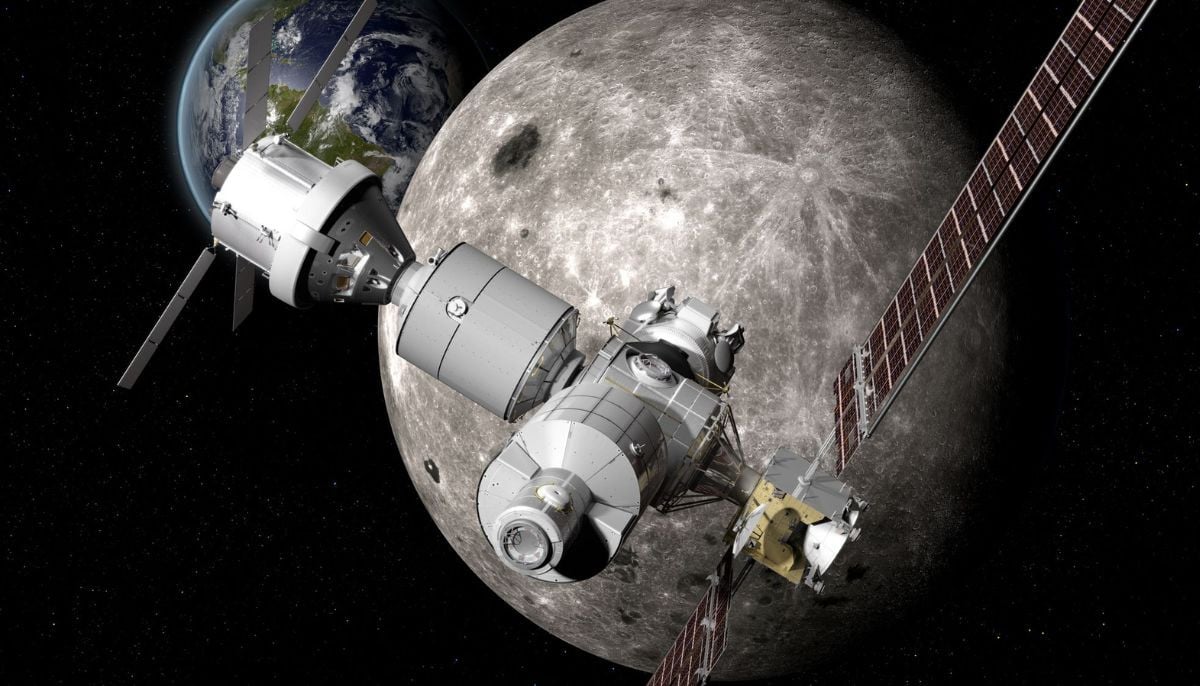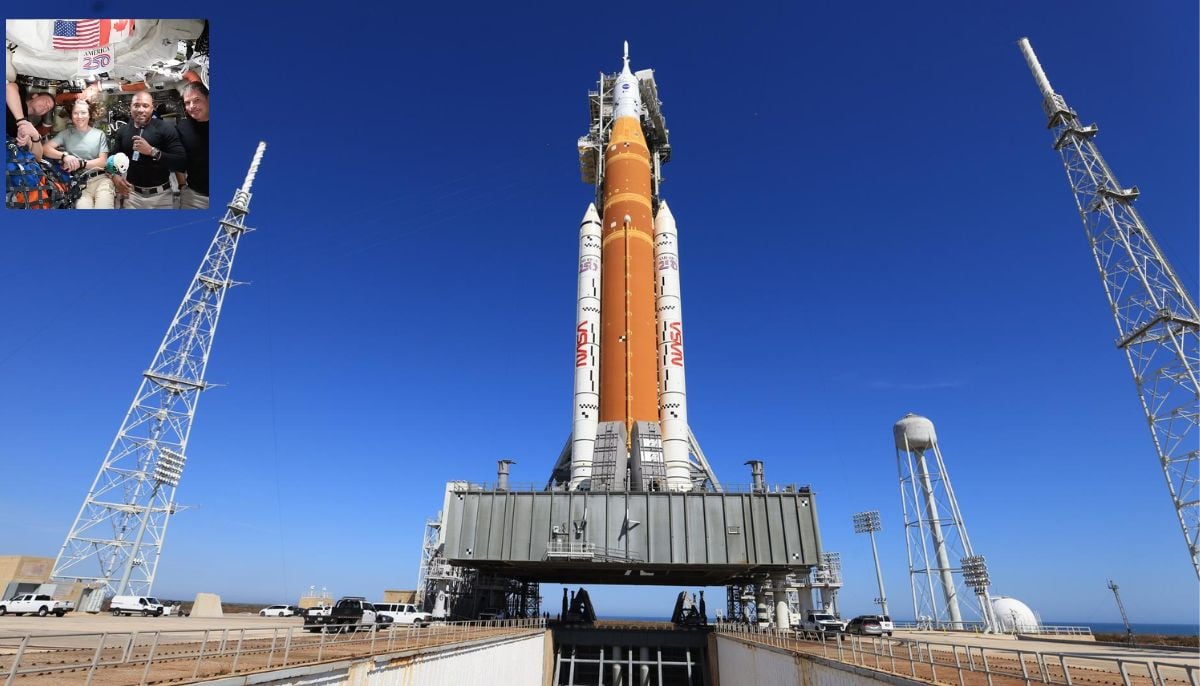
NASA’s Artemis 2 mission – the first manned trip to the moon since 1972 – is entering its final and most critical phase. After the launch on April 1, the crew will return to Earth on Friday, April 10.
The mission consists of a team of four: NASA astronauts Reid Wiseman, Victor Glover and Christina Koch, along with Jeremy Hansen of the Canadian Space Agency. During a press conference from space, the crew described the Orion capsule as a “small space that gives us everything we need,” although they noted that they “crash into each other 100% of the time” in the microgravity environment.
Highlights included Commander Wiseman’s crew naming a lunar crater after his late wife and Victor Glover witnessing a total solar eclipse from space. Due to heat shield problems observed during the unmanned Artemis 1 mission, Orion will perform a “skip reentry.” Like a stone skipping across a pond, the craft will dive into the atmosphere to slow down before making its final descent. Chief Flight Director Jeff Radigan emphasized that the reentry angle must be precise to manage heat stress and ensure a successful mission.
Return is expected at 7:53 PM EDT, with a landing 14 minutes later. According to NASA officials, the success of the mission now depends on the engineering of the reentry and recovery; they praised the engineering teams, noting that while the crews have achieved their lunar goals, final hurdles still remain.
US President Donald Trump praised the groundbreaking mission, noting that astronauts “made history and made all Americans truly proud.” He invited the crew to the White House after they broke the record for the furthest people have ever traveled from Earth; the previous record of 248,655 miles (400,171 km) from Earth was set in 1970 by the crew of Apollo 13.
This groundbreaking mission serves as an important testing ground for NASA’s long-term goals. Once the 10-day journey ends with a landing in the Pacific Ocean, the data collected will pave the way for a permanent human presence on the moon and future manned missions to Mars, while providing the world with historic glimpses into deep space.