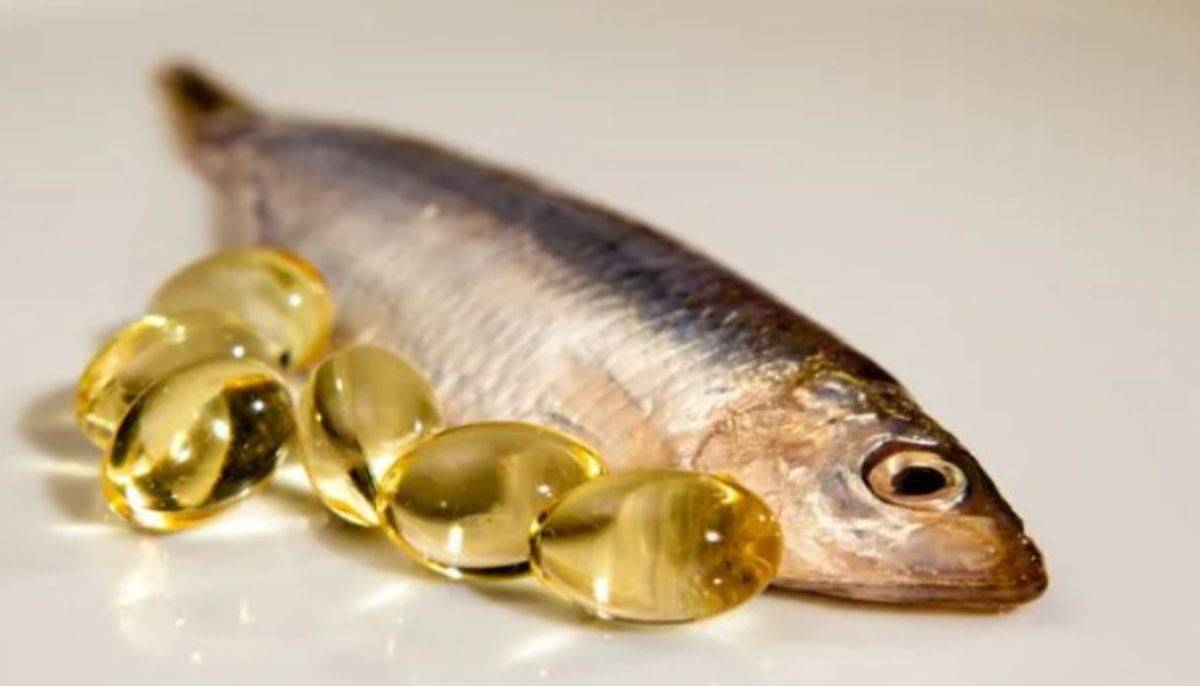
Fish oil has long been praised as a brain-boosting element and healthful nutrient, but new research suggests the story may be more complicated.
It follows a study in which scientists found that in people with repeated mild head injuries, a key omega-3 fatty acid in fish oil – EPA – can actually disrupt the brain’s ability to repair itself.
Instead of promoting recovery, it appears to weaken blood vessel stability, disrupt healing signals, and even contribute to the harmful protein buildup linked to cognitive decline.
A new study led by the Medical University of South Carolina by neuroscientist Onder Albayram, a member of the National Trauma Society Committee, and his team focused on the biological processes involved in repairing blood vessels in the brain after an injury.
The researchers said that interest in omega-3 fatty acids, the main components of fish oil, is growing rapidly.
According to Fortune business insightsthese supplements now appear not only in capsules, but also in drinks, dairy alternatives and snack products.
This enormous popularity does not surprise Albayram. “Fish oil supplements are everywhere and people use them for a variety of reasons, often without a clear understanding of their long-term effects,” he said.
“But in terms of neuroscience, we still don’t know whether the brain has resilience or resistance to this supplement. That’s why our study is the first such study in the field.”
Researchers did some modeling research and found that higher levels of EPA in the brain were associated with weaker recovery from injury.
Simply put, this means that changes in the way cells use energy can reduce the brain’s ability to repair under certain conditions, and this vulnerability appears to be related to the buildup of eicosapentaenoic acid, or EPA, one of the key omega-3 fatty acids found in fish oil.
Additionally, the study was originally published in Journal Eicosapentaenoic acid reprograms cerebrovascular metabolism and impairs recovery after brain injury, with relevance to chronic traumatic encephalopathy.