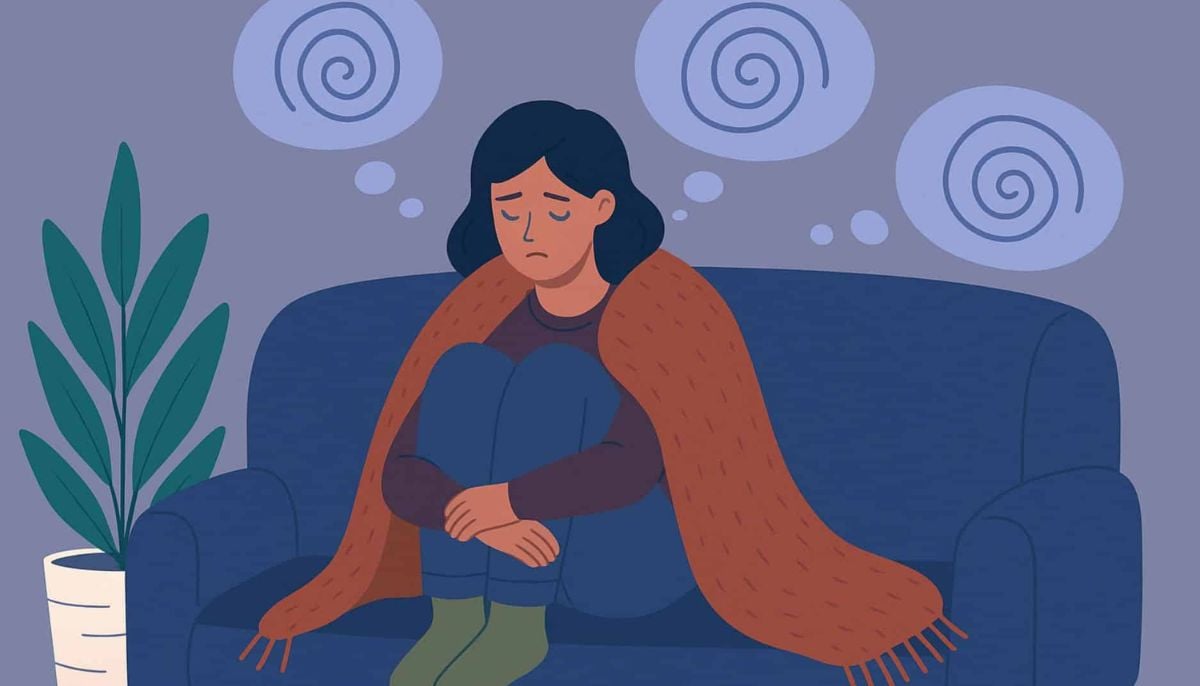
Diabetes is the most common disease worldwide. According to a recent survey by the World Health Organization (WHO), nearly 830 million people around the world will suffer from diabetes by 2024.
Considered the growing health problem leading to millions of deaths annually, prediabetes has also become an increasingly important area of public health concern, largely because it lies between normal metabolic function and type 2 diabetes.
Prediabetes is defined by the medical condition in which elevated blood glucose levels that are below the diagnostic threshold for diabetes yet indicate a shift in the way the body processes sugar.
A recently published study claims that pre-diabetes, a precursor to type 2 diabetes, can be reversed within two years through sustainable lifestyle changes.
A ten-year retrospective cohort study of an urban community, published in Journal of Diabetes and Metabolic Disorders examined how prediabetes progressed under real-world conditions.
According to the new urban lifestyle research, high stress and prolonged sitting are the three main factors contributing to elevated glucose levels.
It highlights that modest improvements in diet, sleep and activity allow the body’s metabolic flexibility to restore healthy glucose control, highlighting the power of long-term habits over quick fixes.
Medical experts explain that in people who are more physically active, their muscles are better able to remove glucose from the bloodstream.
In addition, long-term improvements in diet can also reduce stored fat in the liver, lowering insulin resistance, thereby supporting the pancreas to produce insulin more efficiently.
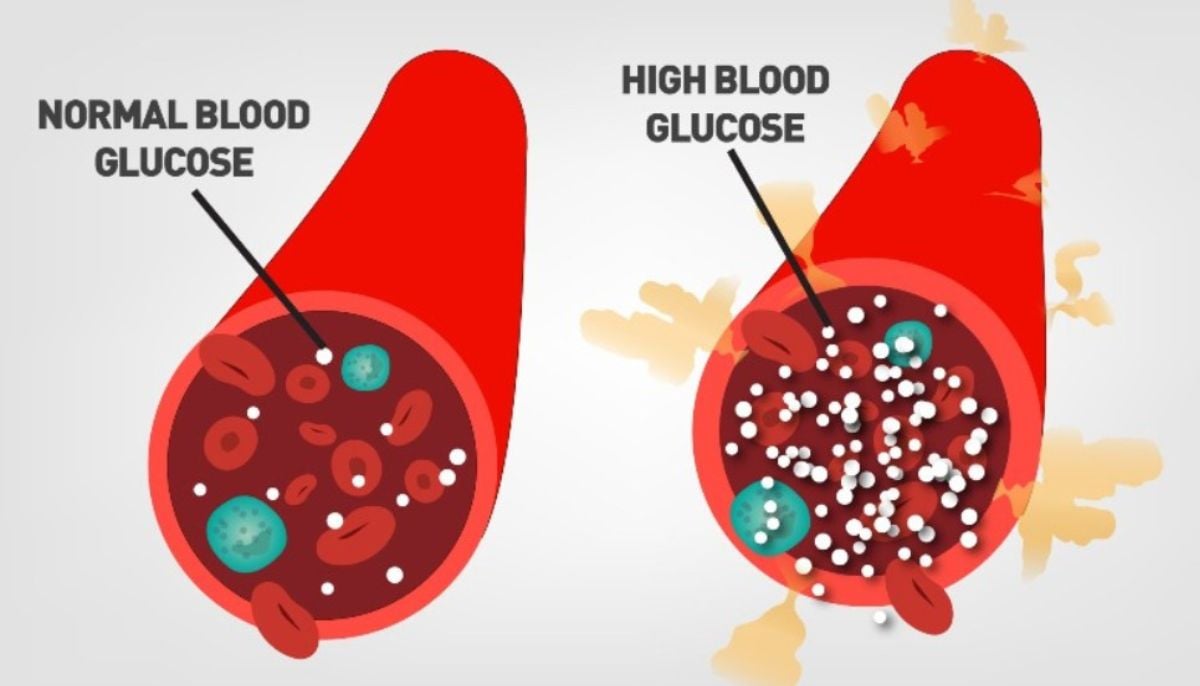
The study also suggests that by reducing excess calorie intake, improving sleep, and incorporating moderate exercise throughout the week, glucose fluctuations become less severe and insulin production is less stressed, because these shifts allow the pancreas and liver to adapt gradually rather than reacting to constant metabolic stress.
Recovery in this case often seems slow and may involve longer periods during which progress appears gradual, although internal changes accumulate steadily over the months.
This entire mechanism shows that even early metabolic stresses can be reversed if the body receives repeated signals through daily habits, restoring glucose control, relieving insulin needs, and supporting long-term metabolic healing through practical lifestyle modifications.
The results showed that the consistent efforts can reverse the pre-diabetic condition within two years by following a few basic rules.