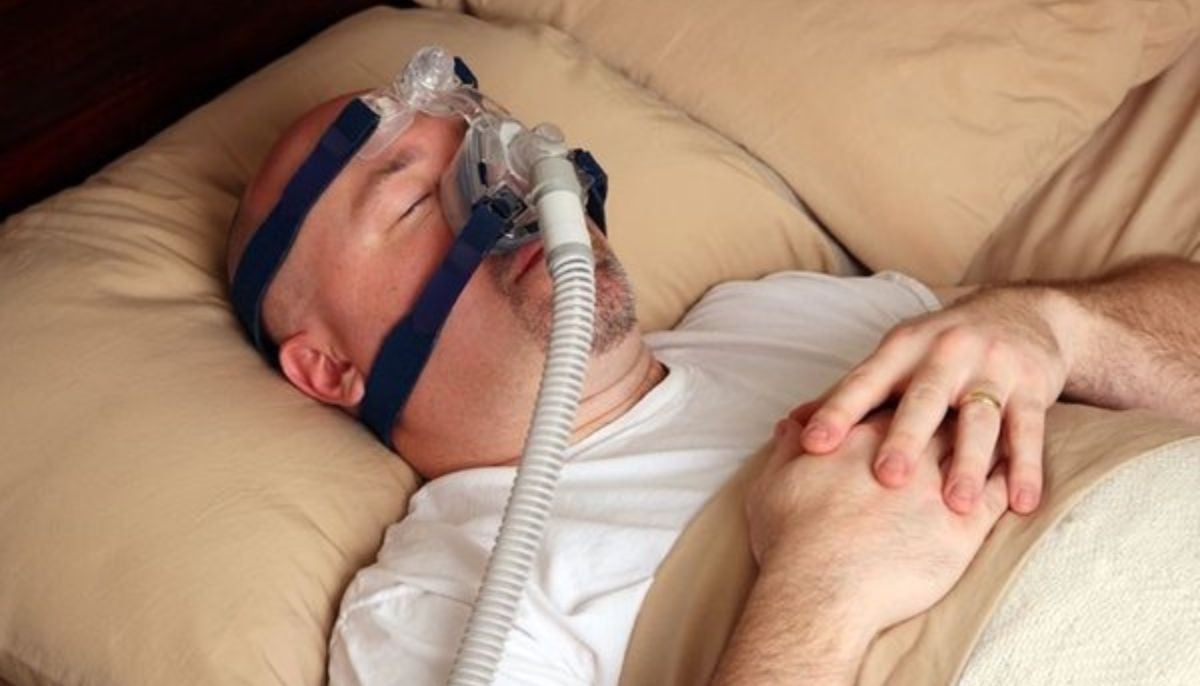
A recent study shows that there is a significant link between untreated obstructive sleep apnea (OSA) and an increased risk of developing Parkinson’s disease.
The study suggests that those who do not receive proper treatment may be at double the risk of being diagnosed.
It is suggested that using CPAP with continuous positive airway pressure may help reduce the risk of Parkinson’s disease by improving sleep quality and maintaining stable airflow throughout the night.
The study published in JAMA Neurology analyzed electronic health records of more than 11 million U.S. military veterans.
Parkinson’s is a neurodegenerative disease and affects nearly 1 million people in the United States. It has been observed that the likelihood of developing the disease begins gradually after the age of 60.
New developments are underway showing that prolonged and obstructive sleep apnea may contribute to a higher risk of Parkinson’s disease.
Crucial confounding factors, such as obesity, age and high blood pressure, were analyzed by the researchers to establish a clear link between untreated sleep apnea and Parkinson’s disease.
The study found that among the millions of veterans with sleep apnea, those who did not use CPAP were almost twice as likely to develop Parkinson’s disease.
How does sleep apnea affect the brain?
Sleep apnea mainly occurs when a person’s breathing stops and restarts sporadically during sleep, preventing the body from getting enough oxygen.
In this regard, lead author Lee Neilson, MD, assistant professor of neurology at OHSU and staff neurologist at the Portland VA, said, “If you stop breathing and the oxygen is not at a normal level, your neurons are probably not functioning at a normal level.”
The study results further reinforce the importance of prioritizing sleep health, specifically in light of the Parkinson’s risk identified by the study.
This further implies that some people with sleep apnea may be reluctant to use CPAP, but the study further underlines that many veterans have strong positive experiences with the device.
The veterans who have experienced positive results tell other people to feel better.
The current study provides a significant clinical implication that treating sleep apnea not only improves sleep but also serves as a necessary intervention for potential long-term neurological health protection.