Personal hygiene is so important, just like nail care. Manicures and pedicures make a difference for self-care, but sometimes these steps are not enough for the health of the nail once it is infected.
In a recent study, scientists have discovered the key to treating the most common fungus for brittle nails.
Researchers have found that using hydrogen sulfide H2S is a surprisingly effective tool for treating troublesome nail infections because it penetrates the nails more efficiently than other medications.
The hydrogen sulfide H2S is a naturally occurring gas best known for its strong rotten egg smell. It can be a faster and gentler way to treat stubborn nail infections.
The H2S gas kills pathogens by disrupting their energy systems and the compound also works against fungi that resist standard antifungal treatments.
Nail infections are usually caused by fungal, yeast or fungal attacks that cause infections and the running nails become colored yellow, white or brown, thickened, brittle or deformed.
Although bacteria may occasionally be involved, these conditions are widespread and affect an estimated 4-10% of people worldwide, with figures rising to almost 50% among adults aged 70 and over.
Oral medications usually take two to four months to produce results and are generally effective, but also carry risks for side effects, especially in patients with other health problems.
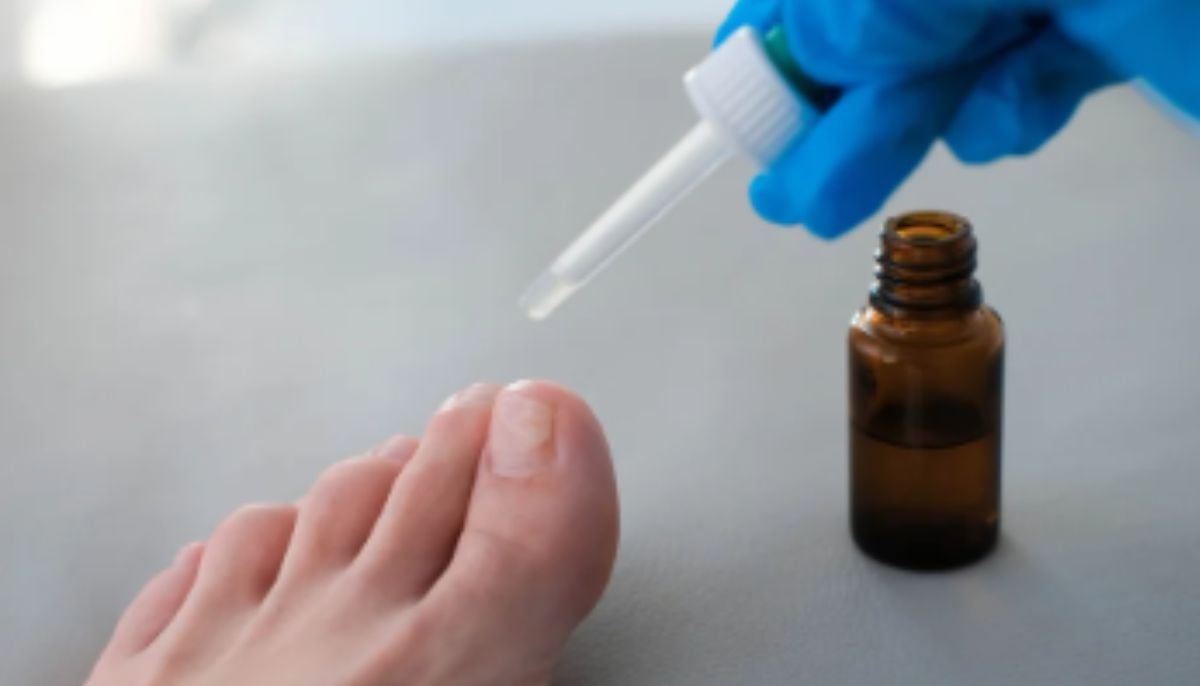
Although topical treatments are considered safer, they often require very long periods of application, sometimes lasting years. Even then, they often fail to completely cure the infection or the infection returns.
_updates.jpg)
The biggest obstacle underlines that most medications have difficulty penetrating the dense structure of the nail, preventing them from reaching the fungi or bacteria living underneath.
The researchers noted that even the best topical antifungal agents achieve relatively low cure rates, underscoring the need for treatments that can reliably reach microbes deep within the nail.
The researchers from the University of Bath and King’s Collage London KCL conclude that this volcanic gas H2S could form the basis for a new therapy that works faster and avoids common side effects.
Dr. Albert Bolhuis from the Department of Life Sciences at the University of Bath said: “Due to its ability to efficiently reach the site of infection and its novel mechanism of action, we believe that a topically applied drug containing hydrogen sulphide could become a highly effective new treatment for nail infections, avoiding the limitations of current therapies.”
“Our research lays the foundation for a compelling alternative to existing treatments, with the potential to improve outcomes for patients suffering from persistent and drug-resistant fungal nail infections,” added Dr. Albert added.
The research was originally published in Scientific reports in the news Antimicrobial effects and mechanisms of hydrogen sulfide against nail pathogensreports Science daily.