Constipation occurs when a person experiences difficult or no bowel movements for a few days, often resulting in strained passage of stool. The National Institute of Diabetes and Digestive and Kidney Diseases It has been found that approximately 16 in 100 people experience symptoms of constipation.
The condition is often related to factors such as insufficient dietary fiber, inadequate hydration, low physical activity and the use of certain medications. Symptoms may include bloating, irritability, abdominal pain, and painful or straining bowel movements.
Although constipation is common, it is often manageable at home with simple lifestyle adjustments. Many cases respond well to natural remedies that support healthy digestion.
Natural Approaches to Relieve Constipation:
1. Increase fiber intake
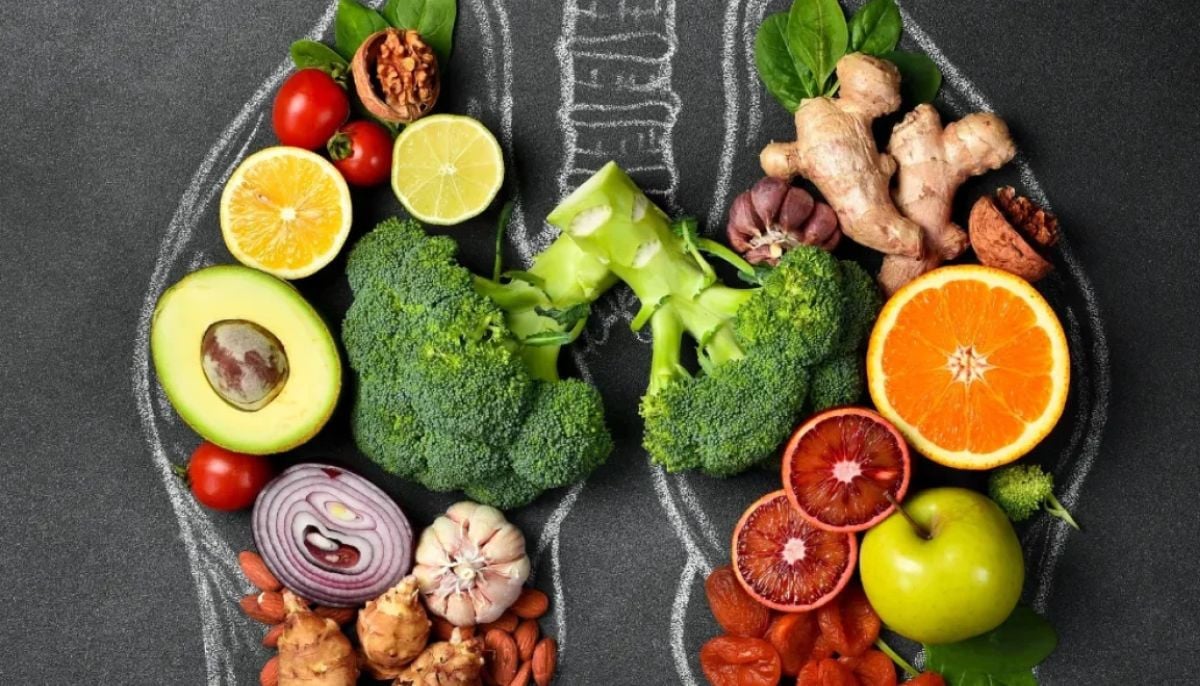
A high-fiber diet supports regular bowel movements. Fruits, vegetables, whole grains, legumes and supplements such as psyllium husk help soften stool and promote digestive motility.
2. Prioritize hydration
Sufficient water intake, ideally almost 2 liters per day, is essential for the softness of the stool and smooth passage through the digestive tract. Staying hydrated throughout the day can significantly reduce the risk of constipation.
3. Engage in regular physical activity
Routine exercise supports overall health and stimulates bowel activity, encouraging more consistent bowel movements.
4. Consider prune juice
Prune juice is a commonly used natural laxative due to its fiber and sorbitol content, which can ease the passage of stool.
5. Add probiotics
Foods rich in probiotics, such as yogurt, help maintain a balanced gut microbiome, improving digestion and bowel regularity.
Some medications that help with constipation:
- Linaclotide
- Lactulose
- Prucalopride
- Lubiprostone
Your doctor or healthcare provider will choose the medication that works best for you based on your symptoms and test results.
Preventing blockage:
Adopting a balanced diet, staying well hydrated and maintaining an active lifestyle can help prevent constipation and support digestion in the long term.
However, it is persistent constipation or symptoms such as severe abdominal pain, severe cramps, or blood in the stool that require immediate medical evaluation and treatment.