Scientists have developed the world’s first ice archive in Antarctica, aiming to protect data on rapidly melting glaciers and secrets of Earth’s past climate for centuries to come.
The researchers moved two ice samples collected from the European Alps and moved them to a newly created “snow cave” in Antarctica. This cave is designed to serve as a global archive to preserve important samples for the future.
The ice reserve is located at the high-altitude Concordia station, which has a natural temperature of -52 °C (-61.6 °F). This temperature allows the samples to be stored forever without the use of artificial means.
The underground cavern is 35 meters long and five meters high and wide and is located 10 meters below the surface, where the temperature remains constant all year round.
According to Thomas Stocker, a Swiss climate scientist and chairman of the Ice Memory Foundation, who led the initiative, “Securing what would otherwise be irreversibly lost… is an effort for humanity.”
This revolutionary project took almost ten years to complete as it faced both diplomatic and logistical challenges throughout production.
According to scientists, they hope to fill the cave with ice samples from the Andes, the Himalayas and Tajikistan in the coming decades.
Unlocking the secrets of climate science
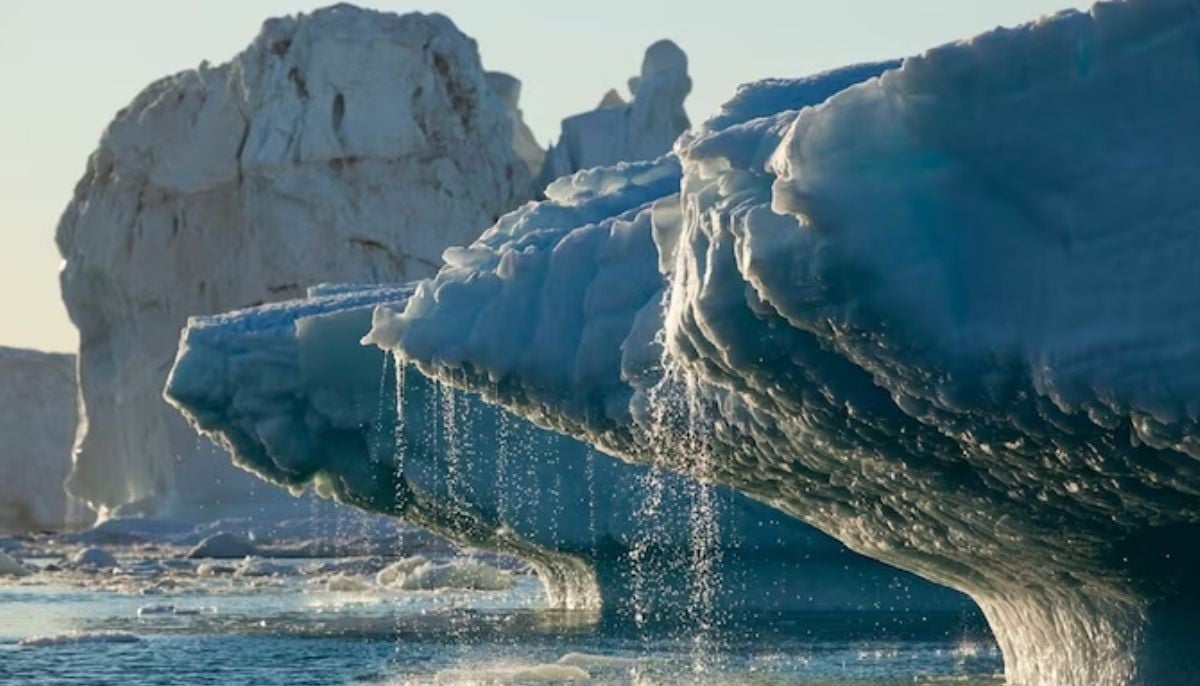
This recent effort to preserve the data stems from the ice cores’ ability to preserve the secrets of the climate from thousands of years ago, allowing researchers to unravel the mysteries long after the retreat of these glaciers in the wake of global warming.
According to Carlo Barbante, an Italian climate scientist and vice-president of the Ice Memory Foundation, “scientists will use technologies that we cannot even imagine today, and they will extract secrets from the ice that are currently invisible to us.”
What does this ice reserve mean on a global level?
On Wednesday, European and American climate experts confirmed that 2025 was the third warmest year on record. Considering the intensity and frequency of global warming, this archive would prove fruitful in saving the heritage before it disappears.
The sanctuary will be housed in the French-Italian research station on land covered by a global treaty.
This was said by director Anne-Catherine Ohlmann of the foundation AFP“It was important that this legacy is managed so that in a few decades, perhaps even a few centuries, these ice cores will be available to the right beneficiaries and for the right reasons for humanity.”