Winters are known to worsen the symptoms of eczema due to falling temperatures.
It is believed that around 8 million people in the UK alone have the chronic condition.
Atopic eczema, also called atopic dermatitis, causes itchy skin, especially on the elbows, knees and hands. It can also lead to dry, cracked and crusty skin and an itchy scalp.
According to the NHS, this usually affects children and babies, but it can cause problems at any age. Although there is no cure for eczema, symptoms can be controlled, with many people reporting less severe symptoms as they get older.
However, if you do notice a flare-up this winter, consultant dermatologist Dr Emma Craythorne says there are some things you can do to manage your condition.
Writing in the MailEmma said: “Hot water makes dry skin worse because it strips moisture. Heat removes protective layers of the skin, including the oils that keep the skin hydrated, and can make the skin barrier more fragile. Don’t go cold – aim for warm or lukewarm.”
She also suggested that people with eczema stop using products that can dry out their skin, especially scented products.
Emma explains that traditional soaps are often ‘too alkaline’ and can remove ‘beneficial lipids’ in the skin.
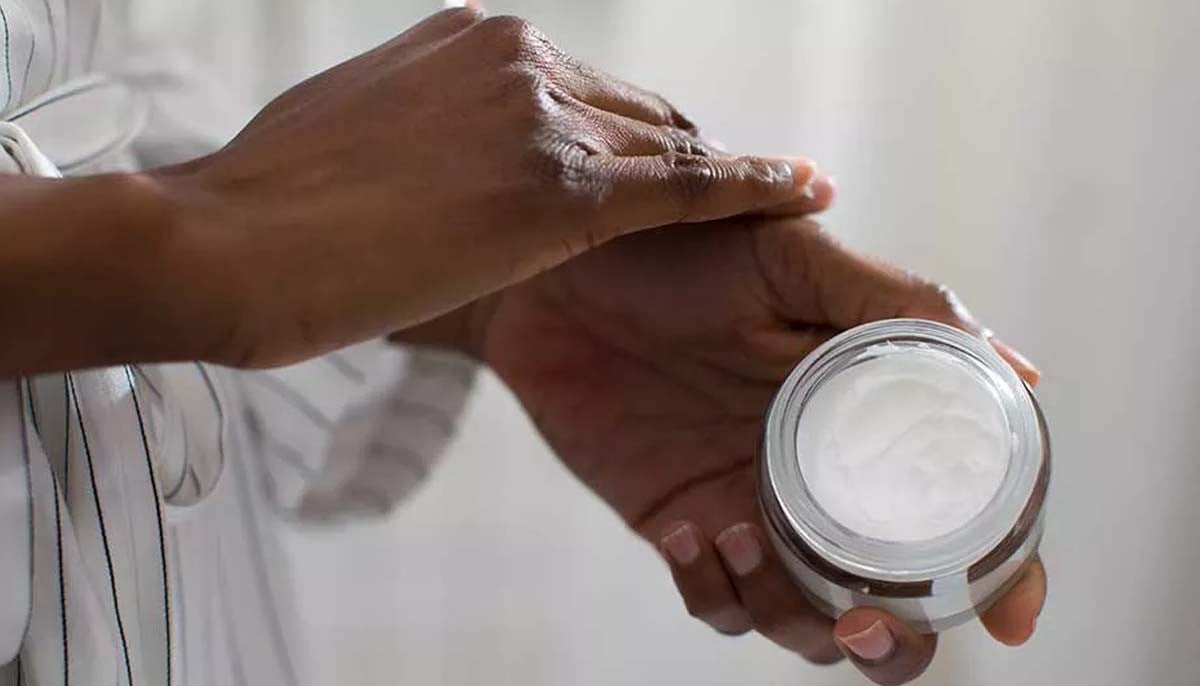
Instead, she recommended using cream-based cleansers without added fragrance during the winter months. Emma recommends applying a moisturizer after showering or bathing which will help soothe the eczema almost immediately.
“This is one of the most effective ways to ease the symptoms of eczema – keep your moisturizer next to the shower and apply it as soon as you get out,” Emma explained.
The skin expert says the moisturizer helps retain water in the skin by forming a partial seal instead of letting it evaporate into the air.
People who want to make changes to their home on their own should consider investing in a humidifier, says Emma, as these put moisture back into the air and can help improve symptoms.