
Insomnia has become a common problem.
A good night’s sleep is a cornerstone of good health, yet it usually seems impossible to achieve this: a peaceful sleep of 7 to 8 hours.
A recent one CNET Research shows that more than half of American adults are willing to spend nearly $1,000 a year in hopes of better sleep.
Supplements to improve sleep:
Despite many recommending pills and medications as the only real solution, certain vitamins and herbs, whether from food or supplements, can support your body’s sleep cycle.
Magnesium:
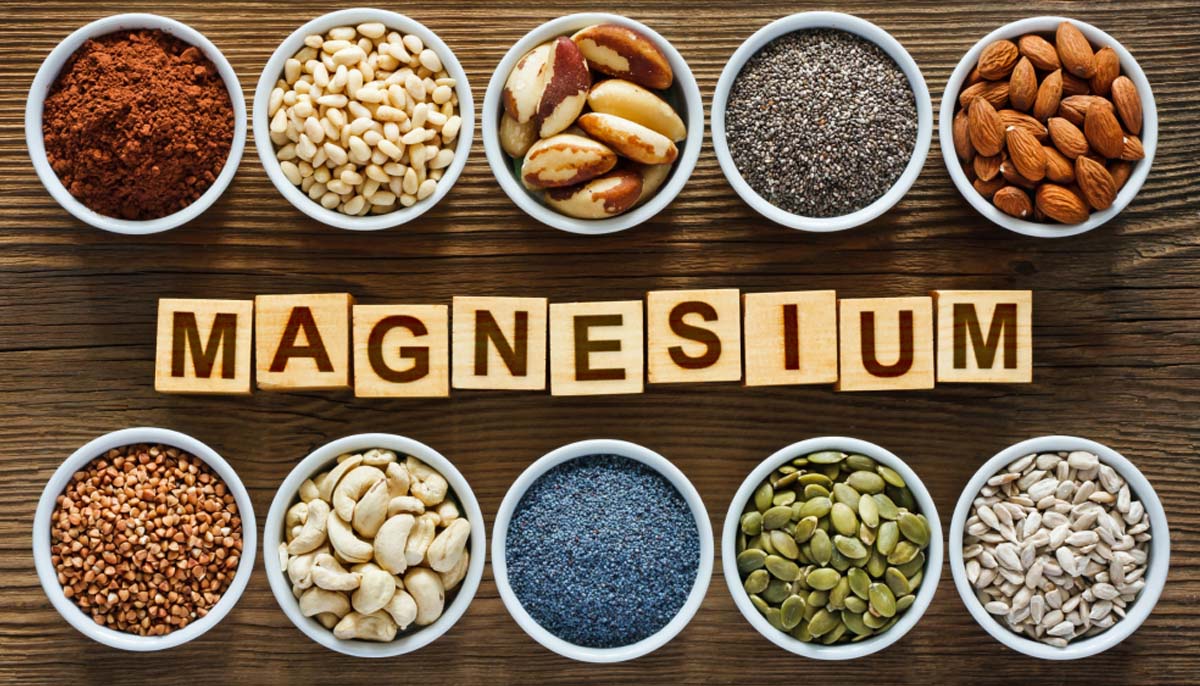
This essential nutrient is important for brain and muscle function, blood pressure regulation, bone development and more. Additionally, magnesium can help you sleep at night.
Studies suggest that magnesium may help insomnia because of the way the nutrient helps regulate our circadian rhythm. Low magnesium levels are associated with poor sleep.
There are few to no side effects of magnesium. However, too high a dose can lead to nausea, cramps and diarrhea.
Melatonin:
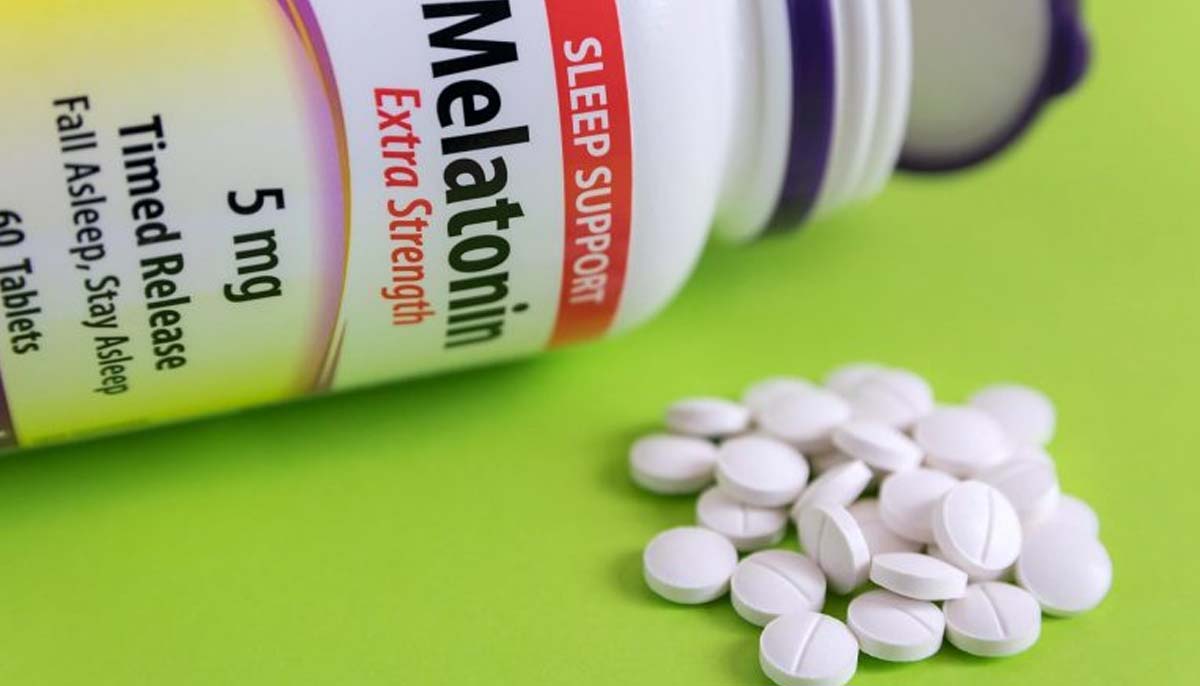
Melatonin is one of the better known sleep supplements. This hormone is produced naturally in the brain at night to warn the body that it is time to go to bed.
Synthetic melatonin mimics this natural hormone and can help you fall asleep faster. Melatonin can also help with jet lag and some sleep disorders, such as delayed sleep-wake phase.
Be aware of side effects with melatonin such as headaches, stomach complaints, daytime fatigue and strange dreams.
Gamma-aminobutyric acid (GABA):
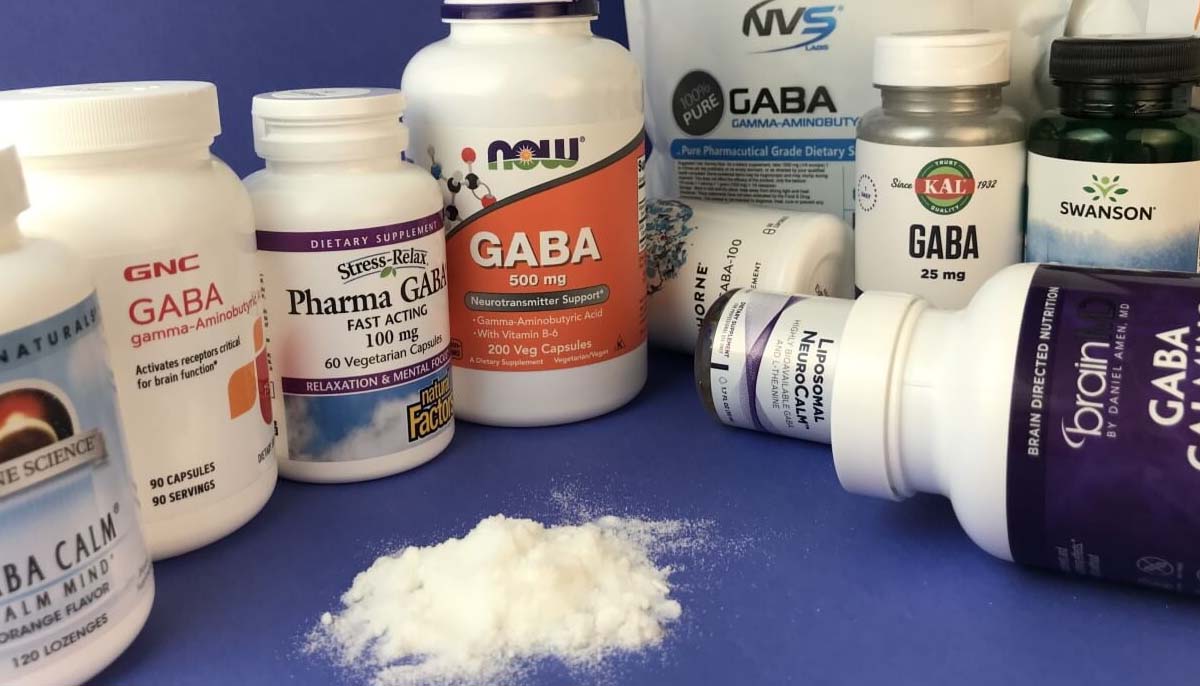
Gamma-aminobutyric acid, or GABA, is an amino acid neurotransmitter found naturally in our brains (and in some foods) that helps calm the body.
By slowing down messages from the brain to the central nervous system, GABA can reduce anxiety and stress, thereby improving sleep quality.
One study found that 300 mg of GABA per day improved sleep quality in 40 insomnia patients after four weeks.
L-theanine:
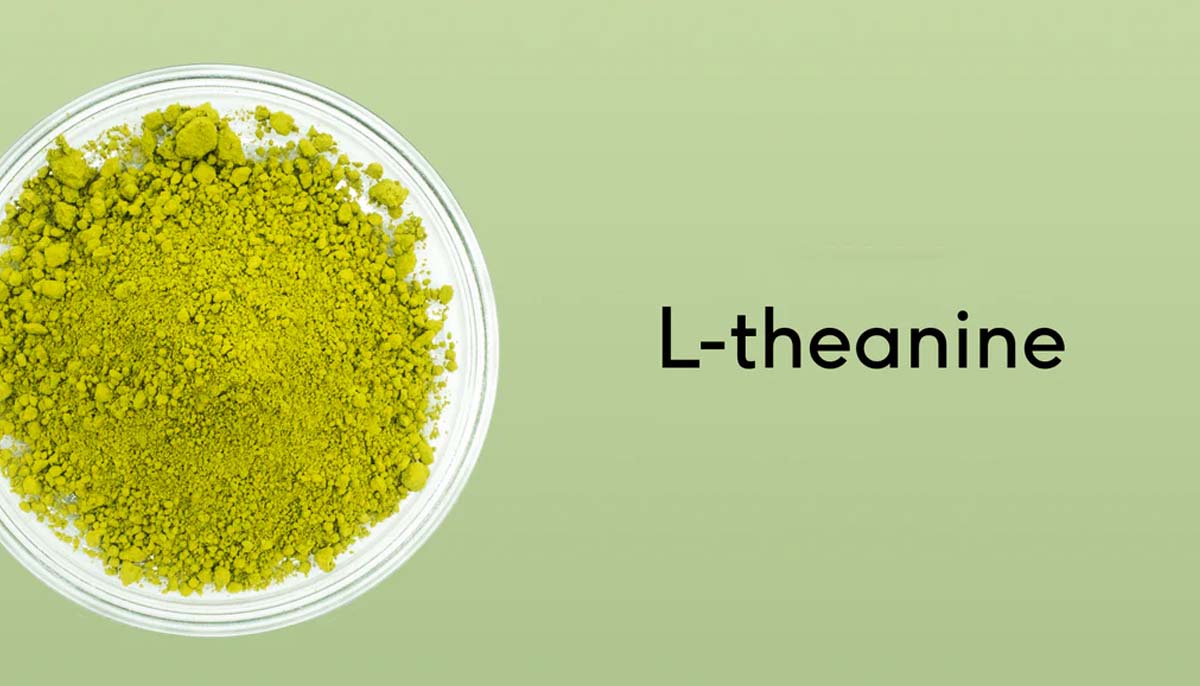
This amino acid occurs naturally in mushrooms and is made from tea. L-theanine behaves similarly to glutamate, an amino acid in our brain that helps transmit signals throughout the body.
Studies suggest that L-theanine may promote calmness and relieve anxiety and stress, with one review stating that L-theanine is a generally safe natural sleep aid that won’t make you feel groggy.
However, be careful not to mix L-theanine with blood pressure medications. The amino acid can lower blood pressure, so be sure to take precautions and talk to your doctor if you are taking medications for high blood pressure.
Also be wary of mixing L-theanine with sedative medications.
Valerian root:

Valerian root comes from a white flower native to Europe and Asia. The plant has long been used to treat cramps, headaches and most commonly insomnia.
Although the research is still lacking, some studies suggest that valerian root is best for people who have trouble sleeping with menopausal symptoms. This low-risk herbal remedy is cost-effective and can improve your overall sleep quality.
Chamomile:

Chamomile is a flower commonly used to promote drowsiness and relieve anxiety. It can even relieve the symptoms of a sour stomach. When taken at night, chamomile can calm the mind and induce sleep.
Studies suggest that the flavonoids (the chemicals found in plants) bind well to the GABA neuroreceptors in the brain.
Vitamin D:
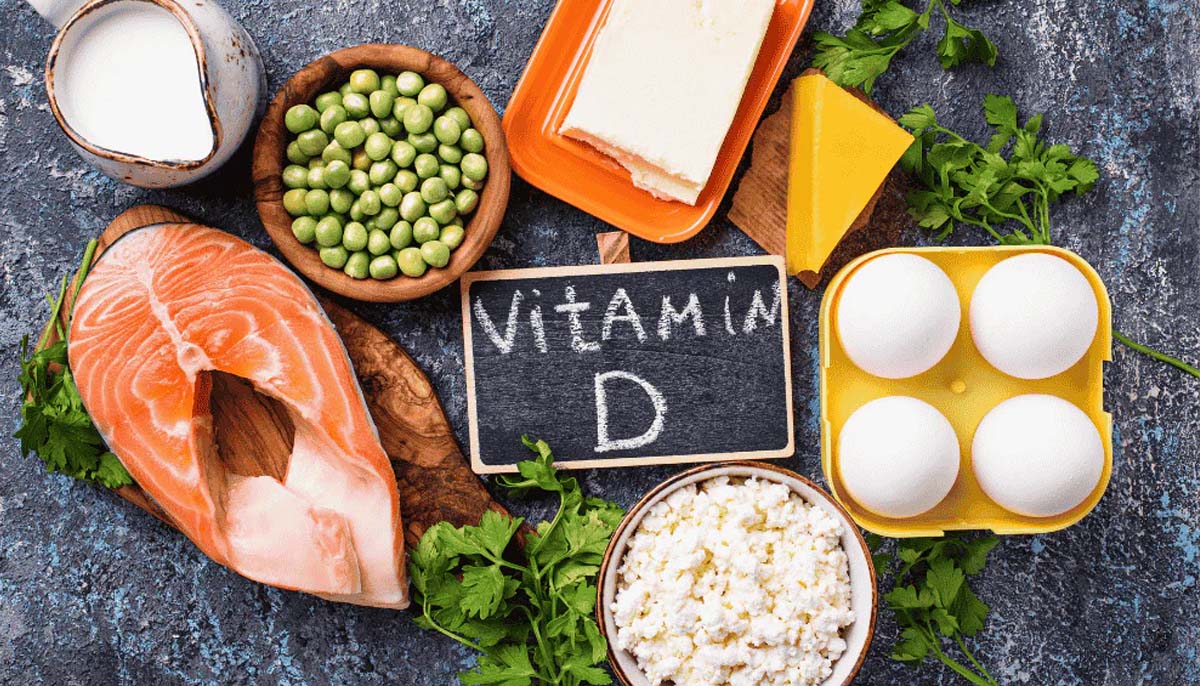
Vitamin D can support a good night’s sleep; However, it is recommended to use the supplement only if you have a nutrient deficiency.
Research has shown that low vitamin D levels are linked to poor sleep. This may be due to the fact that vitamin D is needed in all brain tissues, especially those essential for sleep.
Vitamins and supplements are generally considered safe because they already occur naturally in our diets and bodies.
However, check with your doctor or healthcare provider before taking any supplements. Supplements can interact with certain medications and have risky side effects.
Especially if you are pregnant or breastfeeding, it is important to talk to your doctor about vitamins and supplements before taking them.