Astronomy helps scientists understand how stars are born, live and ultimately die. An important question people often ask is what will happen to the Earth when our sun reaches the end of its life.
New NASA images of a dying star now offer a striking example of what the Earth-swallowing Sun could look like one day billions of years from now.
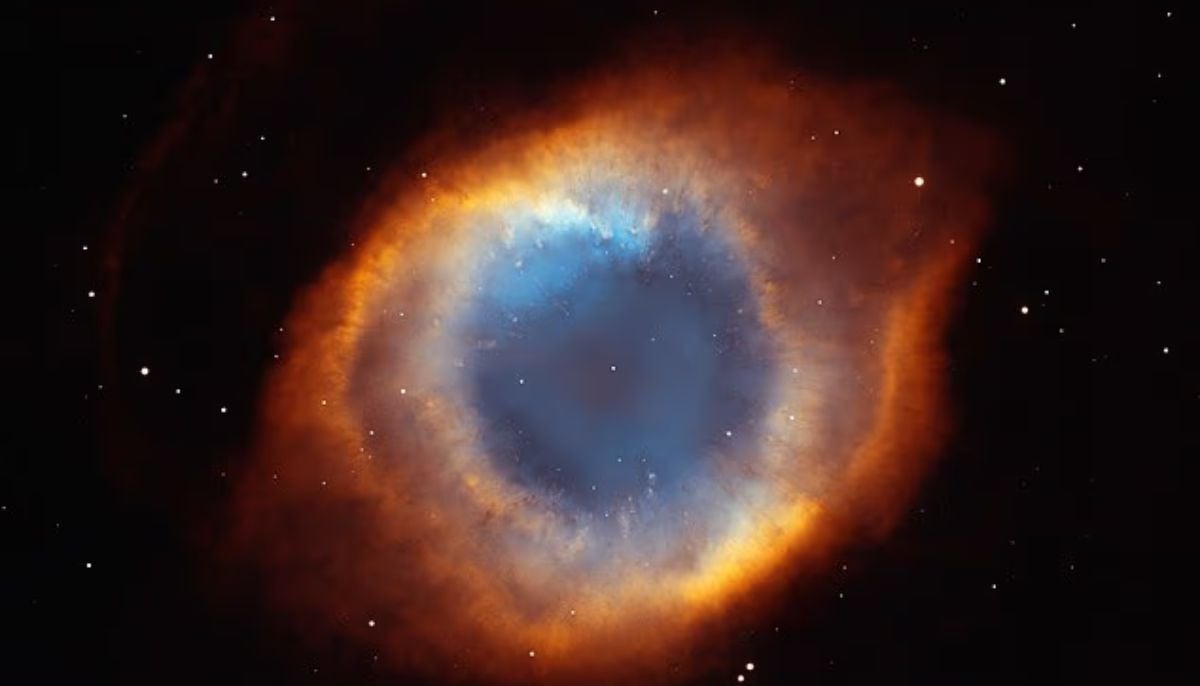
NASA has shown this phenomenon in released new detailed images of the Helix Nebula, also known as the Eye of God Nebula. This dying star system is 650 light years away from us. It is considered a mirror image of what the Sun will look like in the distant future.
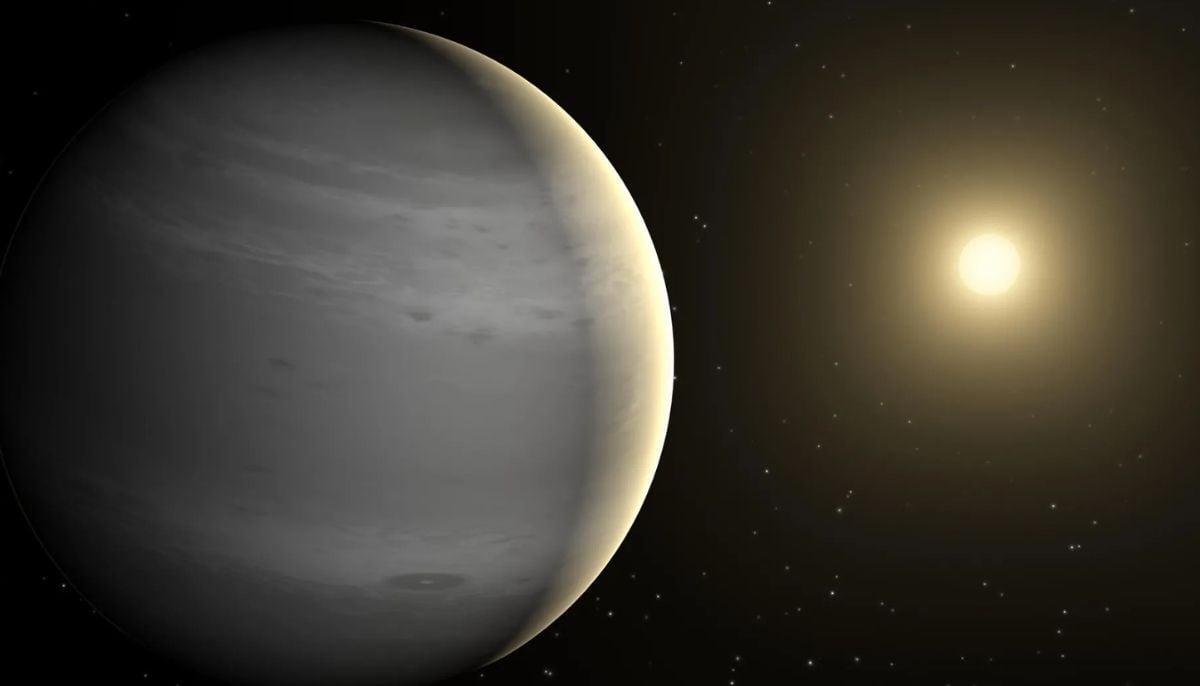
According to scientific research, it is expected that within five billion years our Sun will exhaust its fuel supply and eventually turn into a giant, likely engulfing Mercury, Venus and perhaps Earth before turning into a dense white dwarf.
_updates.jpg)
The images of the Helix Nebula were taken by the James Webb Space Telescope. The images show the scene of rough winds of hot gas colliding with early, cool dust clouds. The spectacular scene helps scientists understand how the dying star changes its environment. It is categorized that this scene makes scientists understand that this is how a dying star like the Sun recycles matter that can form new planets and new stars.
_updates.jpg)
At the core of the Helix Nebula is a hot white dwarf star, which represents what was left of a star after it lost all its material. And while this represents the death of this particular solar system, it also represents a new beginning as other systems begin to evolve through a combination of gas and dust particles in space.
NASA said taking a closer look will help researchers understand the death and rebirth of the stars. While the possibility of the Sun consuming the Earth certainly sounds alarming, experts say the event is too far in the future to worry about right now.