Humanity is about to learn its fate as the Doomsday Clock is updated on January 27, 2026, as scheduled by the Bulletin of the Atomic Scientists (BAS).
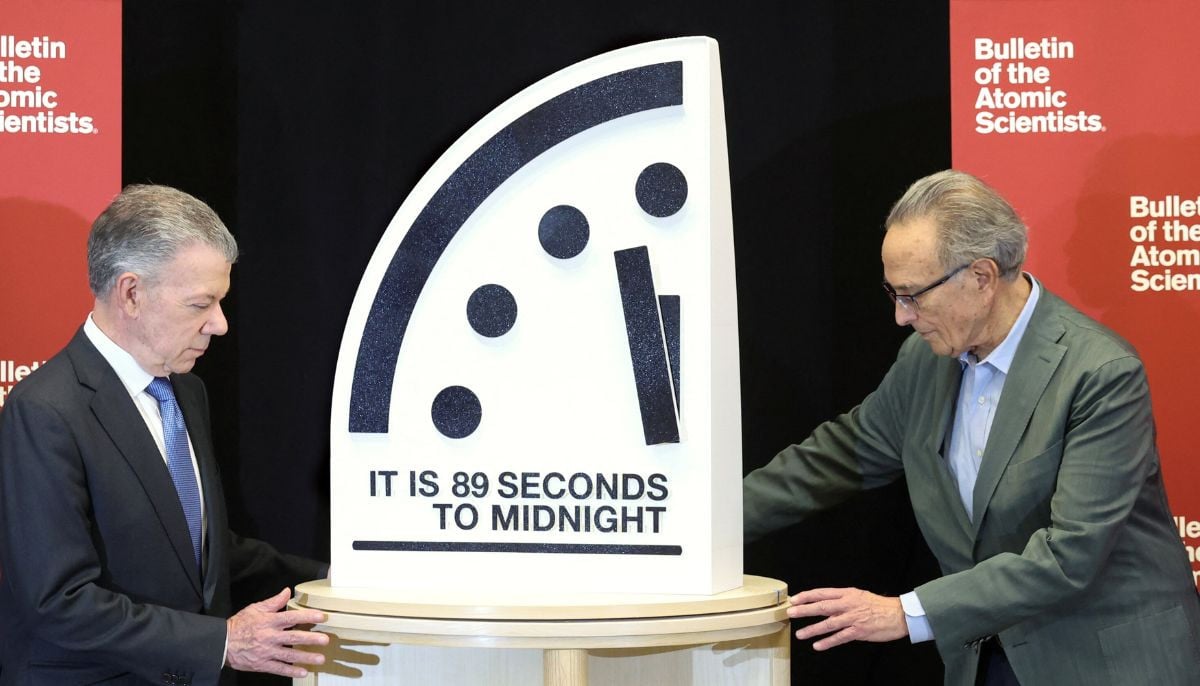
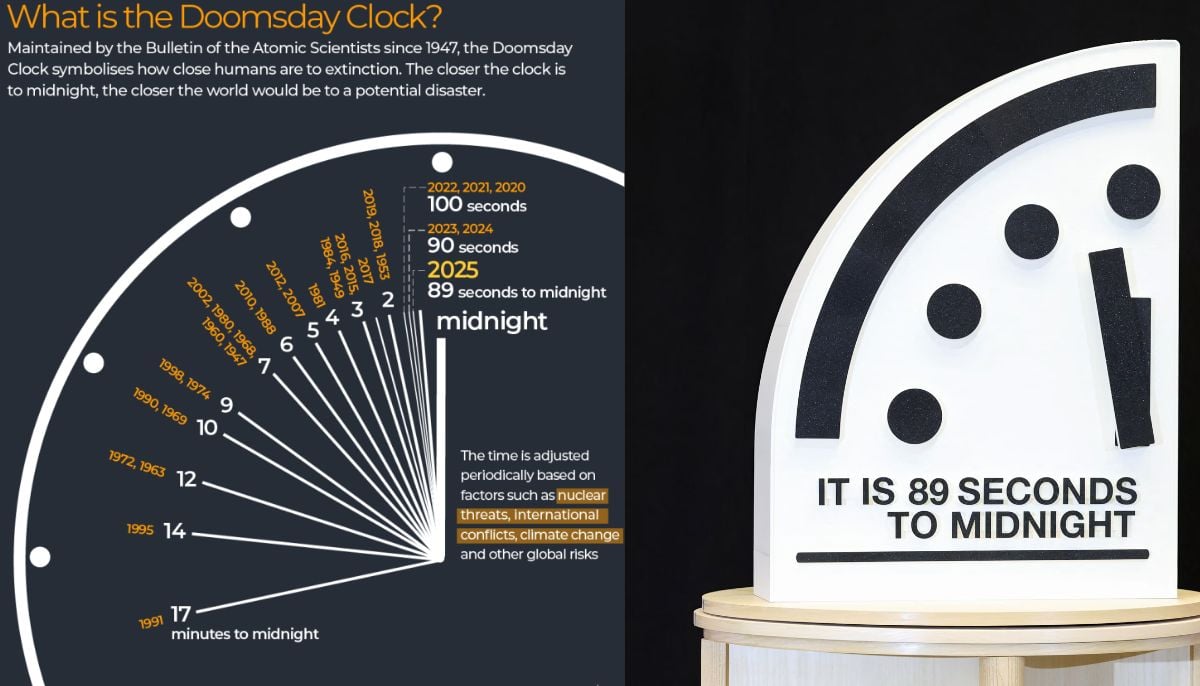
In 2025, the BAS moved the Doomsday Clock forward one second to 89 seconds to midnight.
As reported by Daily mailthe Doomsday clock is now expected to move even closer to midnight.
According to experts, the highly turbulent geopolitical landscape, widespread conflict, rapid advances in artificial intelligence, the rise of infectious diseases and the ever-present threat of climate change are pushing the clock forward.
The Bulletin of the Atomic Scientists (BAS) will reveal this year’s time in a livestream from 15:00 GMT. Nobel Prize winner Maria Ressa will lead the unveiling.
How much change is expected?
According to Alicia Sanders-Zakre, chief policy officer at the International Campaign to Abolish Nuclear Weapons, “In my opinion, the clock could be turned forward at least one second. Our greatest concern is the existential threat posed by the more than 12,000 nuclear weapons in the world today.”
Dr. SJ Beard, researcher at the Center for the Study of Existential Risk at the University of Cambridge and author of Existential hope, said “the clock should be moved forward nine seconds,” citing the drastic change.
Professor Andrew Shepherd, a climate scientist from the University of Northumbria, told the Daily Mail: “I wouldn’t be surprised if the clock changed again.” citing the harsh reality of climate change happening in different parts of the world.
Besides the nuclear threats, AI has been on par with nuclear weapons since recent years, as proposed by Dr. Beard.
What is the Doomsday Clock?
The Doomsday Clock is a symbolic timepiece designed to show how close we are to “destroying our world with dangerous technologies of our own making,” according to BAS.
The closer the clock gets to midnight, the closer the world comes to self-destruction.
The clock was developed in 1947 by BAS, founded by scientists Albert Einstein, J Robert Oppenheimer and Eugene Rabinowitch together with scientists from the University of Chicago.
It was created to map the risks of nuclear war between the Soviet Union and America. Initially the clock was set to 7 minutes. But in 1949, after the Soviet Union tested the atomic bomb, the clock went forward from 3 minutes to midnight.