People are more likely to use trackers these days; however, it is critical to assess the actual usability of these devices.
Millions of people rely on phone applications and wearable devices such as smart rings and smartwatches to monitor their sleep; However, these trackers don’t necessarily measure sleep directly. Instead, they infer slumber from signals such as heart rate and movements, raising alarms about the exact reliability of this information.
Sleep tracking devices are becoming more and more common. Whether it’s an Apple Watch, a Fitbit, an Oura Ring, or one of their countless rivals, most health trackers take the same basic approach: recording the weaver’s movement and heart rate. The algorithm used by most brands has become very accurate in determining when someone is sleeping.
Dr. Chantale Branson, a neurologist and professor at Morehouse School of Medicine, notes that patients often arrive with fitness tracker scores in hand.
She notes that they often examine granular details, such as the exact amount of Rapid Eye Movement (REM) sleep they received on a given night. While these states are interesting, Branson says users should be better served by focusing on “sleep hygiene,” which includes creating a relaxing bedtime routine, avoiding screens and ensuring a comfortable sleep environment.
Why can your smartwatch make your problems worse?
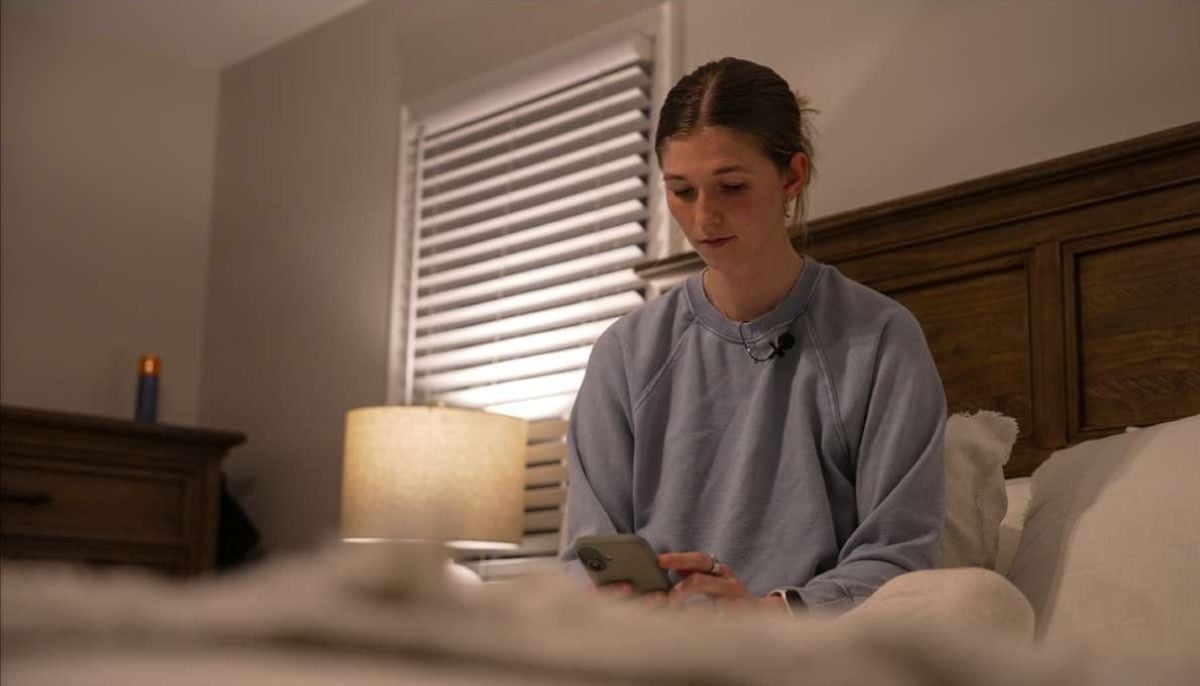
Sleep tracking has become a controversial topic, as the effectiveness of these devices often aligns with differing findings from researchers. For example, Mai Barreneche, an advertising professional in New York City, wore her Oura ring all the time. She said the device helped her develop healthy sleep habits and encouraged her to maintain a consistent morning exercise routine.
In this regard, she said, “I remember going to bed thinking about the score I was going to get the next morning.”
The gist of the research is that while these devices are intended to be helpful, they become counterproductive when they cause anxiety or worry. In such cases, it is best to consult a professional.
Various research into the future of wearables suggests that these devices could soon detect infections before symptoms appear and signal physiological changes that indicate depression or an increased risk of relapse.
Nevertheless, this technology holds great promise for under-resourced communities, where wearables can identify health problems instantly and remotely, bypassing the need for direct access to specialists.