Research has made a huge leap forward in cancer treatment!
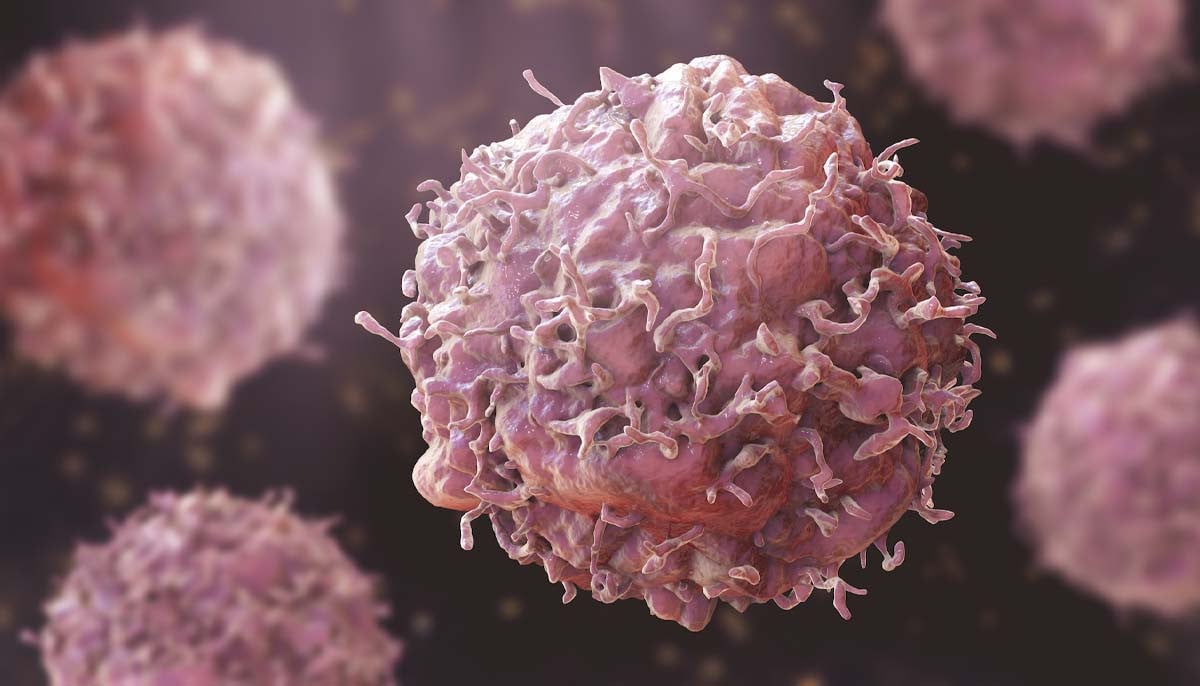
Scientists at Oregon State University have developed a new nanomaterial that triggers a series of chemical reactions in cancer cells, killing them through oxidative stress while leaving healthy tissues alone.
The study was led by Oleh and Olena Taratula and Chao Wang of the OSU College of Pharmacy and was published this week in Advanced functional materials.
These findings could potentially represent a major advance in the field of chemodynamic therapy or CDT, an emerging treatment approach based on the distinctive biochemical environment found in cancer cells.
“Compared to healthy tissues, malignant tumors are more acidic and have higher concentrations of hydrogen peroxide,” the scientists explained.
Conventional CDT thus works by using the tumor microenvironment to trigger the chemical production of hydroxyl radicals: molecules composed of oxygen and hydrogen with an unpaired electron.
These reactive oxygen species have the ability to damage cells through oxidation by stealing electrons from molecules such as lipids, proteins and DNA.
Recent chemodynamic therapy designs have managed to use tumor conditions to accelerate the production of another reactive oxygen species, singlet oxygen, so named because it has one electron spin state instead of the three states found in the stable oxygen molecules in the air.
“However, existing CDT resources are limited,” said Oleh Taratula.
“They efficiently generate radical hydroxyls or singlet oxygen, but not both, and they often lack sufficient catalytic activity to sustain robust production of reactive oxygen species. Consequently, preclinical studies often show only partial tumor regression and no durable therapeutic benefit,” the expert added.
He continued: “When we administered our nanoagent systemically to mice carrying human breast cancer cells, it efficiently accumulated in tumors, potently generated reactive oxygen species, and completely eradicated the cancer without adverse effects.”
“We saw total tumor regression and long-term prevention of recurrence, all without seeing any systemic toxicity,” concluded Oleh Taratula.
Before this treatment can be introduced to humans, the research team plans to evaluate its therapeutic efficacy in various types of cancer, including aggressive pancreatic cancer, to demonstrate its broad applicability in various malignant cancers.