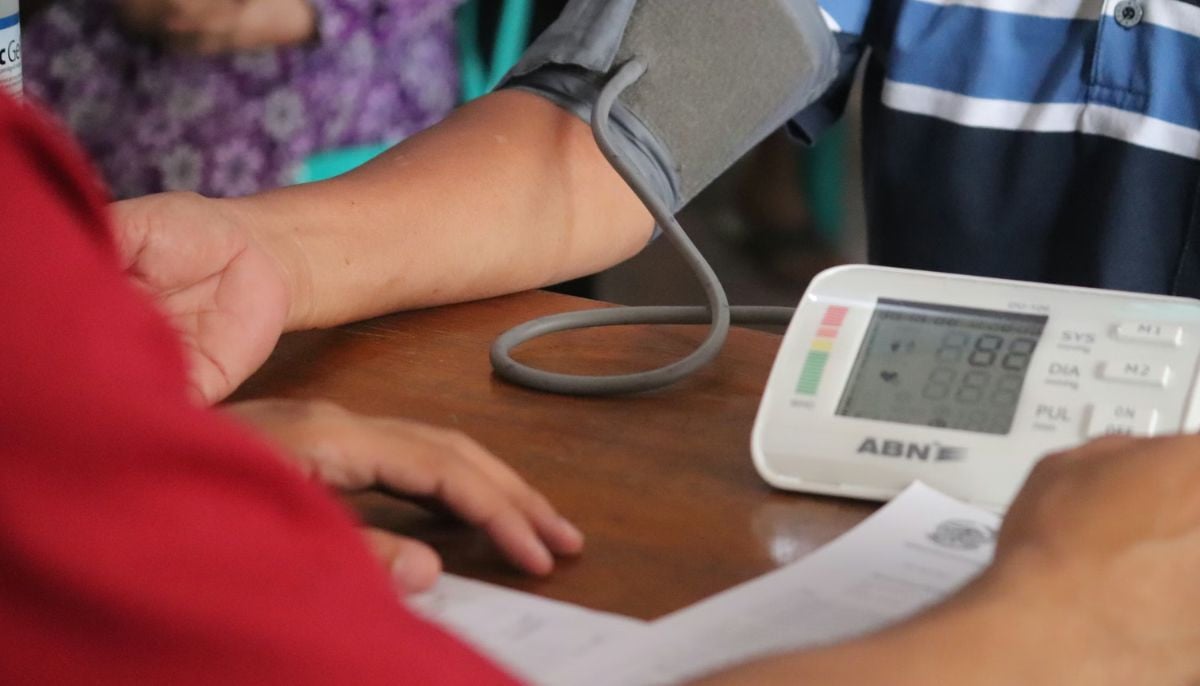
Diabetes occurs when your body has chronically elevated blood sugar levels due to insulin insensitivity or a lack of insulin itself.
Insulin is a hormone produced by the pancreas that allows glucose to be absorbed by the cells and used for energy. When insulin is absent, insufficient, or ineffective, glucose builds up in the bloodstream.
We mainly have two types of diabetes: type 1 diabetes, which is caused by autoimmune destruction of insulin-producing beta cells, and type 2 diabetes, characterized by insulin resistance and relative insulin deficiency.
Despite their different origins, their early clinical signals often overlap, commonly referred to as the ‘3 P’s’.
1. Polyuria – excessive urination
Polyuria refers to frequent and excessive urination. When blood glucose exceeds the reabsorption capacity of the kidneys, the glucose flows into the urine and is drawn in water by osmosis.
2. Polydipsia – excessive thirst
With constant fluid loss due to urination comes dehydration. The brain responds by generating intense thirst, which is known as polydipsia. Patients can drink large amounts of water but still have persistent dry mouth.
3. Polyphagia – excessive hunger
Despite high blood sugar levels, the cells are ‘starved’ due to insufficient glucose uptake, leading to polyphagia or increased hunger.
Therefore, if you think you are suffering from the 3 P’s of diabetes, it is best to consult your healthcare provider or doctor to get tested for it.
Untreated diabetes can silently damage blood vessels, nerves, kidneys, eyes and the heart. Early recognition of the 3 Ps enables timely diagnosis, intervention and prevention of long-term complications.