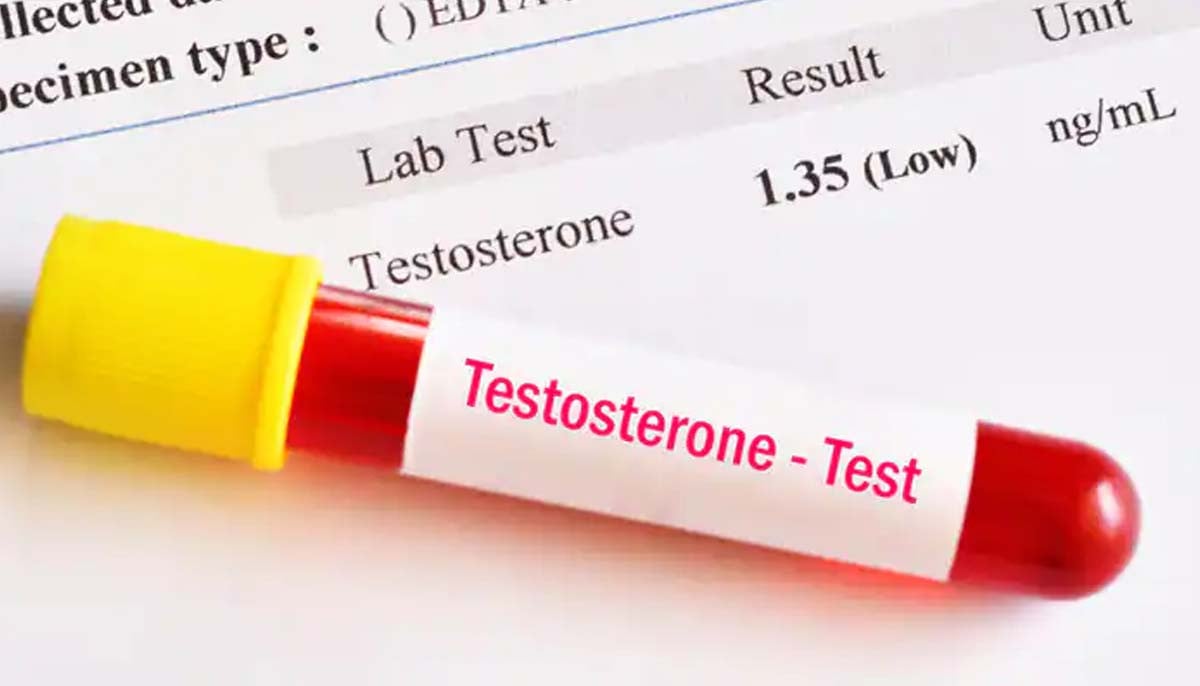
Testosterone is an important male hormone that helps build muscle, increases energy and supports sexual function.
Sometimes doctors also prescribe testosterone supplements to men who have a condition called hypogonadism, in which the body does not produce enough testosterone. These treatments can help improve strength, mood and energy levels.
But now new research from the University of Cambridge suggests that too much testosterone in the blood could actually be harmful, especially for the heart.
The study, published in The Journal of Clinical Endocrinology & MetabolismResearch shows that high levels of testosterone may increase the risk of coronary artery disease in men.
Coronary artery disease occurs when the blood vessels that supply the heart become narrowed or blocked, which can cause serious problems such as heart attacks or heart failure.
In recent years, testosterone supplements have become more popular, not only for medical reasons, but also because many younger men believe these products can improve their physical performance and slow aging.
Social media and advertising have played a big role in encouraging this trend, but scientists are concerned that not enough is known about the long-term effects of high testosterone levels.
To better understand the risks, researchers used a method called Mendelian randomization, which uses genetic information to study how certain traits, such as hormone levels, can influence the risk of disease.
The team looked at genetic data from more than 400,000 people in the UK Biobank and more than 1 million people in another large study called CARDIoGRAMplusC4D.
They looked for genetic differences that lead to higher levels of testosterone in the blood and then checked whether these people had a higher or lower chance of developing heart disease.
The results were clear: men with genes that lead to higher testosterone levels had a 17% greater risk of developing coronary heart disease, while an average man has about a 7.3% chance of developing this type of heart disease during his lifetime.
Furthermore, this new study did not find a strong link between testosterone and the risk of cardiovascular disease in women.
Emily Morbey, a Ph.D. student at the University of Cambridge and one of the lead researchers, said that “more and more men are using testosterone supplements, often without medical advice.”
She then warned that while “the hormone may be useful if there is a genuine medical reason to use it, using it just to become stronger or more energetic may actually increase the risk of heart problems.”
This study gives us a pretty clear picture of how testosterone affects the heart. It shows that while testosterone supplements can be helpful in certain cases, using them without medical necessity can do more harm than good.