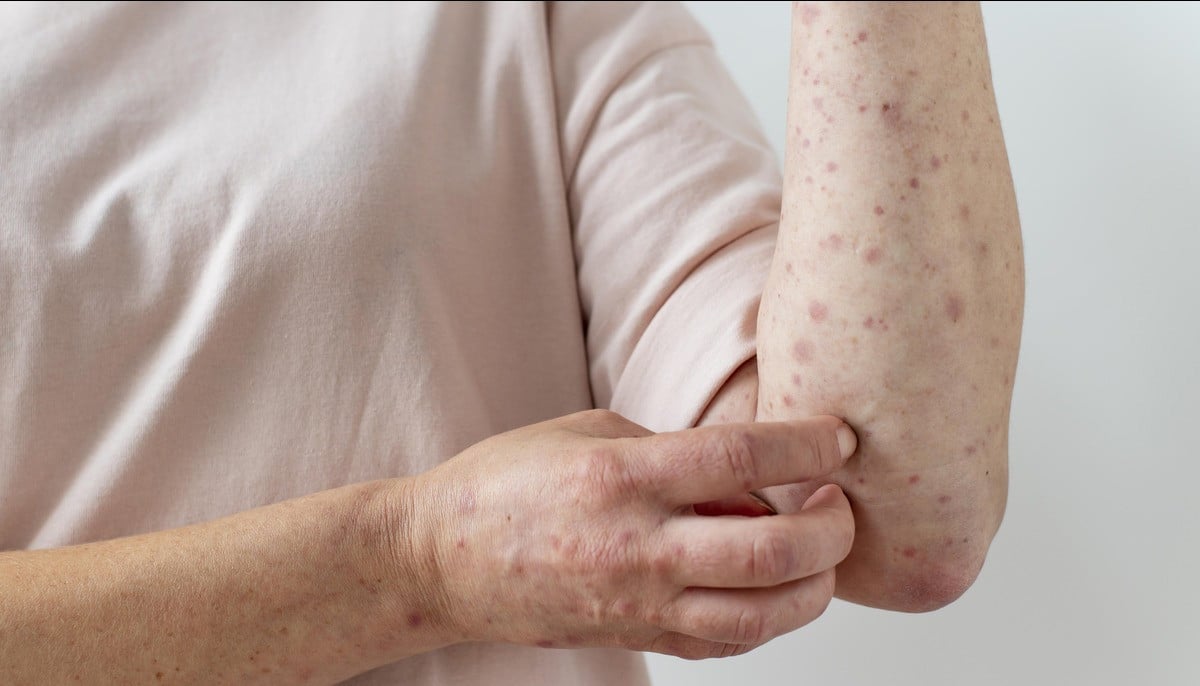
Health officials have warned of “irreversible” neurological damage in children as the number of measles-related hospitalizations increases in the state.
Of the 876 confirmed cases in the state’s outbreak, at least 19 patients have been hospitalized with serious complications.
In a briefing, state epidemiologist Linda Bell said: “Some of these complications include measles encephalitis, or inflammation of the brain, in children and pneumonia.”
She also highlighted the fact that the complication is particularly dangerous for young patients, explaining: “Any time you have inflammation of the brain… there can be long-term consequences, things like developmental delays and consequences on the neurological system that can be irreversible.”
According to CDC Data shows that even though the state does not systematically track every medical complication, pneumonia is the leading cause of measles-related deaths among young children, affecting about one in 20 infected minors.
The measles outbreak also poses a risk to expectant mothers because the MMR (measles, mumps and rubella) vaccine cannot be administered during pregnancy. Several exposed women recently required emergency treatment with immunoglobulin to provide “passive immunity.”
Bell acknowledged that it is absolutely crucial to “protect them from the high risk of complications during pregnancy and to protect their newborn babies.”
The measles virus is highly contagious and can linger in the air for up to two hours after an infected person leaves a room, experts say.
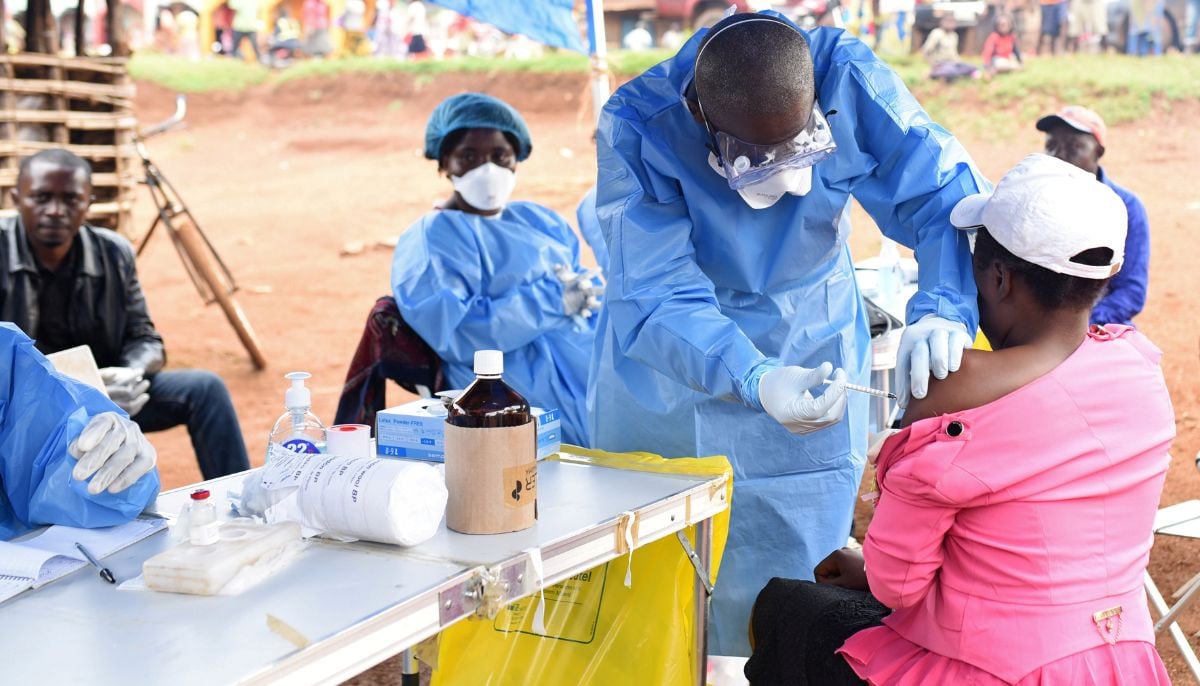
This year, South Carolina saw a historic increase in vaccinations, especially in January. It is worth noting that in Spartanburg County, MMR vaccinations increased by 162% compared to the previous year.
“I hope that what we can attribute [the vaccine surge] It is a broader recognition of the threat of this disease circulating in our communities and the desire for people to be protected from its complications,” Bell said in the briefing.
As for fears of encephalitis and pneumonia, “these are complications we hope to prevent,” she added.
“Increasing vaccination coverage protects those who cannot be vaccinated, such as young infants, pregnant women and people with weakened immune systems,” Linda Bell concluded.