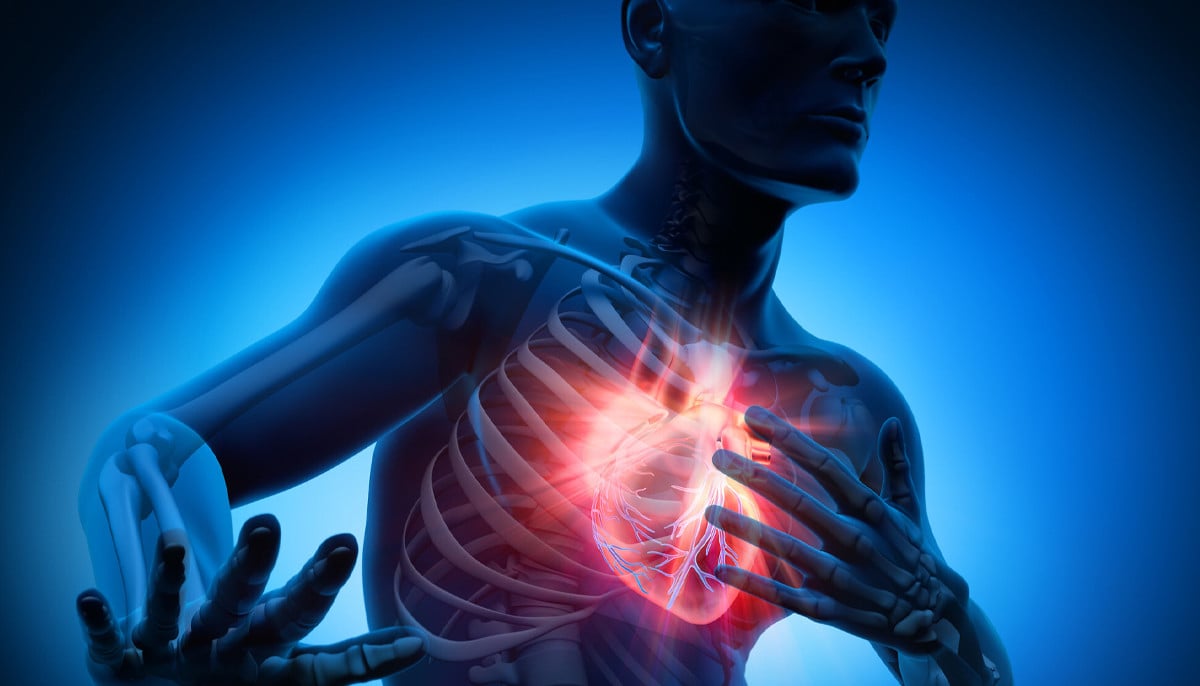
Heart failure is a serious and long-lasting condition that affects millions of people around the world.
It usually starts with damage to the heart muscle and when this happens, the heart becomes weaker and cannot pump blood as well as it should.
Over time, the heart has difficulty sending enough blood to the rest of the body, leading to fatigue, shortness of breath, swelling in the legs and many other problems that make everyday life difficult.
Although doctors have treatments that can ease symptoms and help patients live longer, there is still no cure that can stop the progression of the disease.
For decades, doctors have relied on the same medications, and while these medications help control blood pressure and reduce pressure on the heart, they do not repair the underlying damage.
One of the biggest challenges in treating heart failure is the lack of understanding of what really drives the disease forward.
A research team from the Penn State College of Medicine, led by Dr. Shyam Bansal, believes they may have uncovered an important piece of the puzzle.
Their work suggests that the body’s own immune system, which normally protects us from infections and helps heal injuries, may actually worsen heart failure over time.
The immune system consists of many different types of cells that work together to keep the body healthy. Among them are helper T cells, a type of white blood cell that plays a key role in organizing immune responses.
These cells are usually useful. They help the body fight viruses and bacteria, and they help heal wounds after injuries. Under normal circumstances, helper T cells travel through the blood, lymph nodes and spleen, ready to respond if something goes wrong.
Dr. Bansal became interested in helper T cells because of a simple but important question. If these cells can help heal a cut in the skin, why do they fail to repair damage in the heart after a heart attack?
In their new study, they examined heart tissue from healthy people and from patients with heart failure and closely studied how immune cells behave in failing hearts.
In failing human hearts, helper T cells were much more active and numerous than in healthy hearts. A group called CD4+ helper T cells stood out in particular.
These cells were not only more active, but also multiplied faster. This level of immune activity suggested that inflammation played a much larger role in heart failure than previously thought.
The researchers also found that these CD4+ helper T cells showed increased activity in a signaling pathway related to estrogen. When this pathway becomes too active, it can promote inflammation and scar tissue formation in the heart. Over time, this scarring contributes to a decline in heart function.
Dr. Bansal and his team plan to continue studying these immune pathways to see if new drugs can be developed to block the damaging immune response without weakening the body’s ability to fight infections.