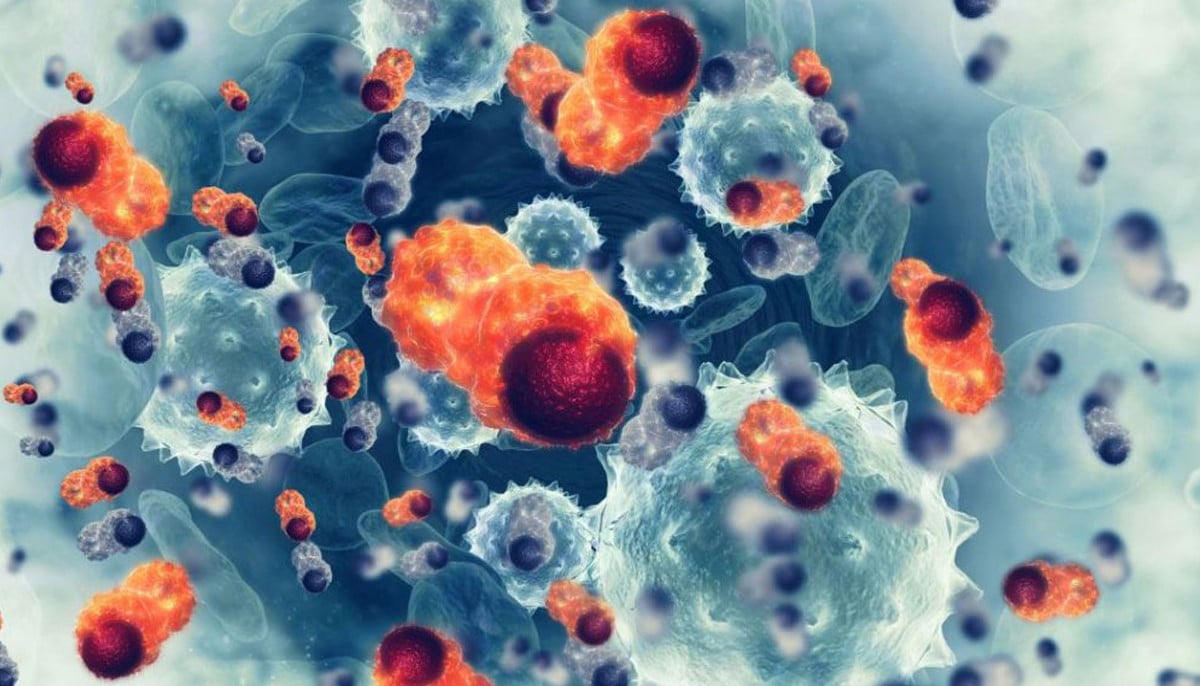
Cancer is one of the leading causes of illness and death worldwide. The number of cases varies depending on where people live, partly because of differences in what people are exposed to.
This is evident from one of the latest studies published in the journal Naturopathy, Nearly 40% of new cancer cases around the world may be linked to things we can change, such as behavior, infections, environmental problems and certain working conditions that can be changed or avoided.
This is why understanding risk factors and triggers is important so that once it is known what causes cancer in different places, countries can come up with effective prevention plans based on their needs.
The aforementioned study looked at 36 types of cancer in 185 countries and found that risk factors such as smoking, infections and alcohol consumption play a major role in the development of cancer.
This suggests that many cases of cancer could be prevented by making healthier, wiser choices and improving public health systems.
A team of researchers, led by Hanna Fink, looked at data from 2022 and estimated how many cancer cases were linked to 30 different risk factors.
They also used information about how often these risks occurred about a decade earlier, because cancer can take years to develop. They looked at how each risk factor was related to cancer and believed that some risks can occur together.
They found that of the 18.7 million new cancer cases in 2022, about 7.1 million could be linked to things that can be changed.
The biggest cause of cancer was tobacco smoking (15.1%), followed by infections (10.2%) and alcohol consumption (3.2%) in third place.
Lung, stomach and cervical cancers made up almost half of all preventable cases.
In women, infections were the main risk factor, responsible for 11.5% of cases. This includes infections such as human papillomavirus (HPV), which can cause cervical cancer, and Helicobacter pylori, which is linked to stomach cancer. In men, smoking was the greatest risk, responsible for 23.1% of all cases.
These results offer hope because they show that cancer can be prevented by making better choices, such as quitting smoking, getting vaccinated to prevent infections, and limiting alcohol consumption.