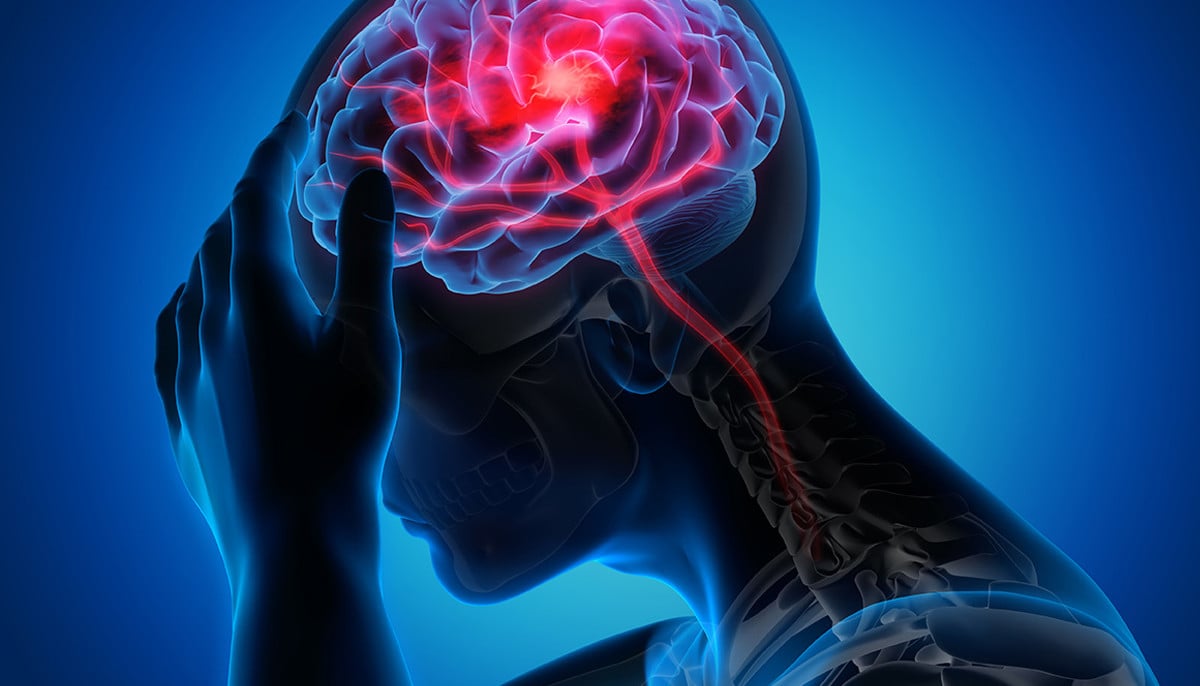
Have you ever wondered what an ischemic stroke is? And why can it be harmful?
An ischemic stroke occurs when an artery that supplies blood to the brain becomes narrowed or blocked, usually by a blood clot. Without adequate blood flow, brain cells begin to die within minutes, leading to loss of neurological functions such as movement, speech or vision.
There are two main sub-types:
Thrombotic stroke: caused by a clot that forms in an artery that supplies blood to the brain
Embolic stroke: caused by a clot that forms elsewhere in the body (often the heart) and travels to the brain
So why does an ischemic stroke happen? Well, there are several reasons for a stroke that make clot formation more likely:
- Atherosclerosis: accumulation of fatty plaques in the arteries, narrowing of the blood vessels
- High blood pressure: damages blood vessels over time
- Atrial fibrillation: irregular heartbeat that promotes clot formation
- Diabetes: increases vascular damage and clotting risk
- Smoking and obesity: contribute to inflammation and poor circulation
- High cholesterol: accelerates plaque formation
Symptoms of an ischemic stroke:
- Sudden weakness or numbness on one side of the body
- Difficulty speaking or understanding speech
- Vision problems in one or both eyes
- Sudden dizziness, loss of balance or coordination
- Severe headache with no known cause
Treatment of Ischemic Stroke:
To treat a patient who has had an ischemic stroke, the emphasis is on restoring blood flow as quickly as possible.
- Clot-dissolving medications (thrombolytics), such as tissue plasminogen activator (tPA), are most effective if given within a few hours of the onset of symptoms
- Mechanical thrombectomy can be used to physically remove large clots
- Antiplatelet or anticoagulation therapy helps prevent future strokes
- Rehabilitation therapy (physical, speech and occupational therapy) supports recovery and functional improvement
An ischemic stroke is a life-threatening condition caused by blocked blood flow to the brain. Although the effects can be devastating, early recognition and prompt treatment can significantly improve outcomes.