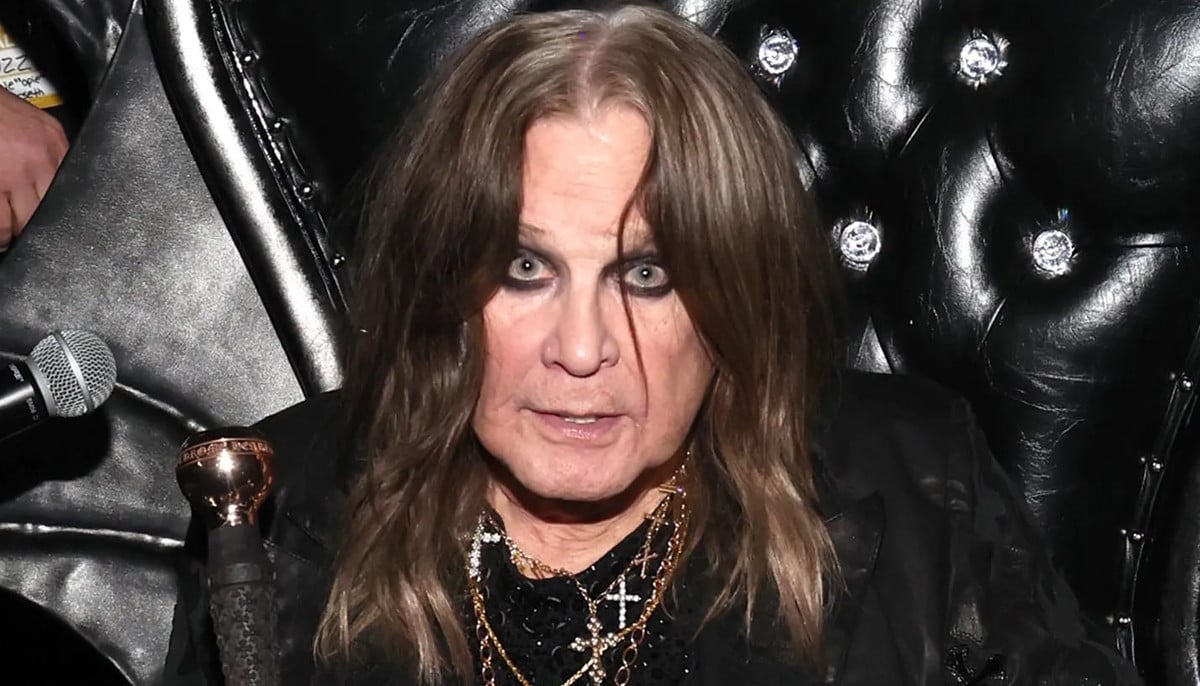
Ozzy Osbourne, the legendary frontman of Black Sabbath, had his fair share of problems with his health and well-being.
In January 2020, the rock star revealed that he had been diagnosed with Parkinson’s disease.
He shared the news during an interview on Good Morning America, explaining that the diagnosis came after a serious fall in 2019 that worsened his health. He said: “It has been a terrible challenge for all of us,” acknowledging both the physical and emotional toll of the condition.
Living with Parkinson’s disease:
Ozzy clarified that he has a form of Parkinson’s known as Parkin 2, a genetic variant of the disease. While not necessarily life-threatening, it causes significant symptoms that affect movement and cognitive skills.
He spoke openly about his struggles, saying: “There are so many different types of Parkinson’s… it’s definitely not a death sentence, but it does affect certain nerves in your body.”
Also speaking about the unpredictability of the disease, the Crazy Train hitmaker said: “You have a good day, then a bad day.”
Symptoms and impact on his career
Parkinson’s disease is a progressive neurological disorder that affects movement. It occurs due to the loss of dopamine-producing neurons in the brain. Common symptoms include tremors, muscle stiffness, slow movements (bradykinesia) and balance problems.
For Ozzy Osbourne, these symptoms – along with complications from injuries – led to tour postponements and reduced public appearances.
Treatment and management
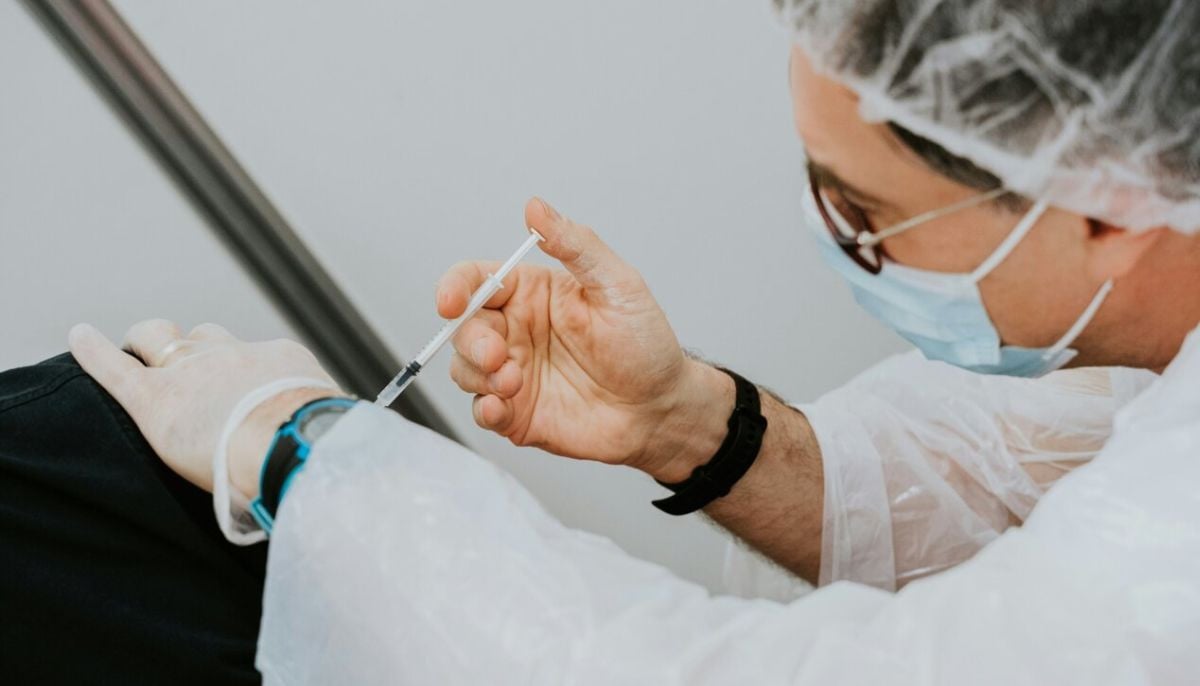
There is no cure for Parkinson’s disease, but treatment focuses on controlling the symptoms.
This includes medications such as levodopa to improve dopamine levels, physical therapy to maintain mobility, and lifestyle modifications.
Ozzy Osbourne underwent extensive treatment, including rehabilitation and surgery for his injuries, while continuing to manage Parkinson’s symptoms before passing away in July 2025.