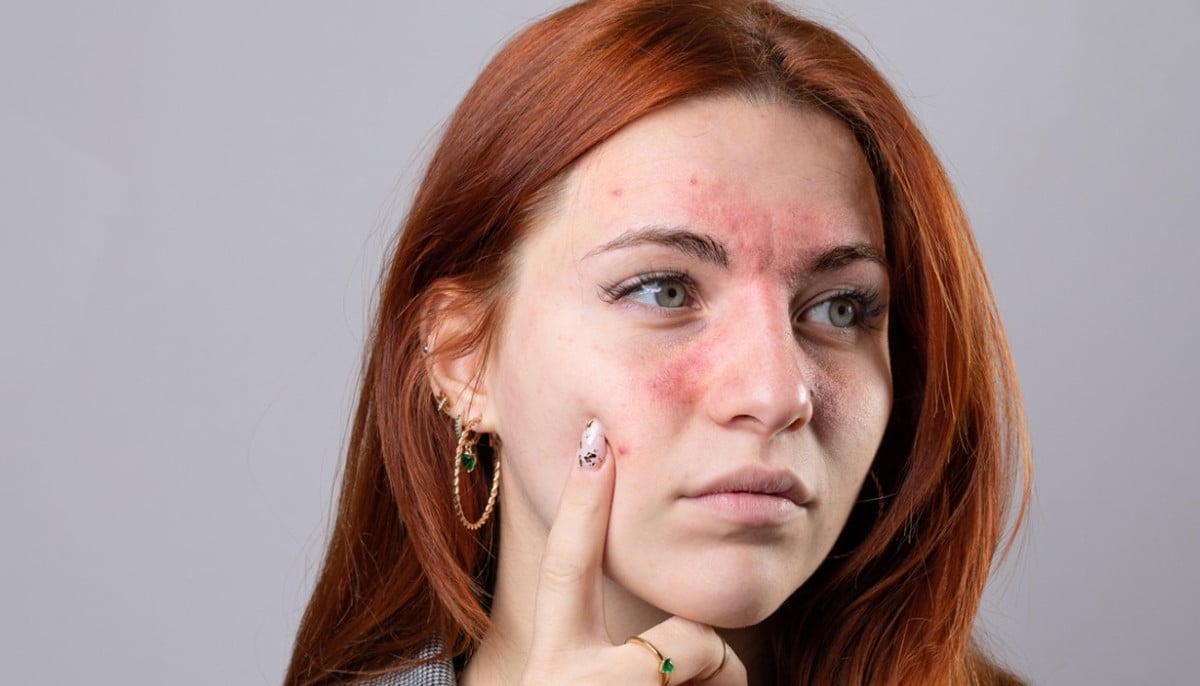
Rosacea is a chronic inflammatory skin condition that mainly affects the face.
It is most common in adults and tends to disappear over time. Although rosacea is not life-threatening, if left untreated it can significantly impact self-confidence and quality of life.
The condition is often misunderstood or confused with acne, sunburn, or even sensitive skin, which can delay proper treatment and management.
Common symptoms of rosacea
- Symptoms of rosacea vary depending on the type and severity, but usually include:
- Persistent redness in the face, especially on the cheeks, nose, forehead and chin
- Visible blood vessels (telangiectasia)
- Burning, stinging or warm feeling in the skin
- Swelling and tenderness of the skin
- Dry, rough or flaky skin
In some cases, symptoms can be worsened by triggers such as heat, sun exposure, spicy foods, stress, or harsh skin care products.
Types of Rosacea
1. Erythematotelangiectatic rosacea (ETR)
This is the most common type. It causes constant redness and flushing, with blood vessels visible. The skin may feel sensitive, tight, or easily irritated.
2. Papulopustular rosacea
This type is often confused with acne and causes red bumps and pus-filled pimples, especially on the central face. Unlike acne, it is not about blackheads.
3. Phymatous rosacea
This rare but serious form leads to thickened, bumpy skin, usually affecting the nose (rhinophyma). It is more common in men and usually develops over time if left untreated.
4. Ocular rosacea
This type affects the eyes and causes dryness, irritation, redness, burning and sensitivity to light. It can occur with or without visible skin symptoms.
Treatment and management of rosacea
There is no cure for rosacea, but the symptoms can be managed effectively with proper care and medical treatment.
- Topical medications such as metronidazole, azelaic acid, or ivermectin help reduce inflammation and redness
- Oral antibiotics may be prescribed for moderate to severe flare-ups
- Gentle skin care routines with fragrance-free, non-irritating products, usually prescribed by your dermatologist, are essential
- Avoiding triggers like sun protection and diet awareness helps prevent flare-ups
Rosacea is a long-term skin condition with both physical and emotional consequences, but early diagnosis and consistent treatment can significantly improve symptoms.