In the gut bacteria of a Japanese tree frog, researchers have found new hope for treating cancer, with one strain of bacteria killing tumors in mice without serious side effects.
Scientists at the Japan Advanced Institute of Science and Technology have been researching amphibians and reptiles based on the observation that these creatures rarely suffer from cancer.
They screened 45 bacterial strains from frogs, salamanders and lizards to test the microbes’ ability to stop cancer development.
Nine different strains showed high antitumor activity; However, one species stood out from the rest.
A bacterium discovered in the Japanese tree frog Ewingella americanacompletely eradicated tumors in treated mice after just one dose.
While other strains showed transient activity, E. americana did not cause tumors to return after 30 days, even when cancer cells were reintroduced.
The mice did not develop tumors the following month.
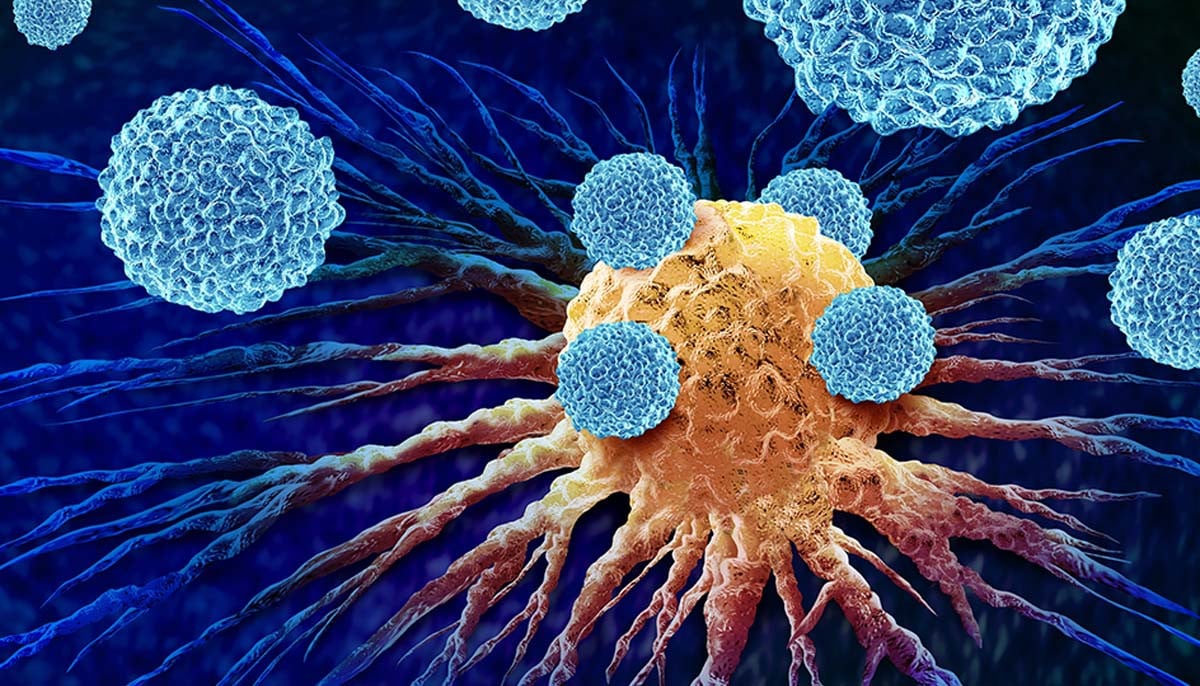
Further research showed that the bacteria directly attack the tumors and at the same time strengthen the immune system, activating T cells, B cells and neutrophils.
Researchers believe its effectiveness is due to its ability to survive in low-oxygen environments, much like tumors, where many immune cells and chemotherapy drugs cannot work effectively.