Artemis II astronauts are surrounded by intriguing glimpses as they continue their journey back to Earth after completing a historic moon flight and witnessing a total solar eclipse from their spacecraft. As the journey continued, the spacecraft reached its maximum distance from Earth: 252,756 miles (406,771 km) during the lunar flight.
Meanwhile, the crew has already broken the previous record for the furthest distance humans have traveled in space. After a precision launch from Kennedy Space Center, the Orion capsule and its four-person crew are currently pushing the boundaries of human deep space exploration. This trajectory is expected to set a new distance record for human spaceflight.
This groundbreaking mission serves as an important testing ground for NASA’s long-term goals; Once the 10-day journey ends with a landing in the Pacific Ocean, the data collected will pave the way for a permanent human presence on the moon and future manned missions to Mars.
US President Donald Trump praised the astronauts, stating that they “made history and made all Americans truly proud.” He also invites them to the White House after the Artemis II crew breaks the record for the furthest humans have ever traveled from Earth; the previous record of 248,655 miles (400,171 km) from Earth was set in 1970 by the crew of Apollo 13.
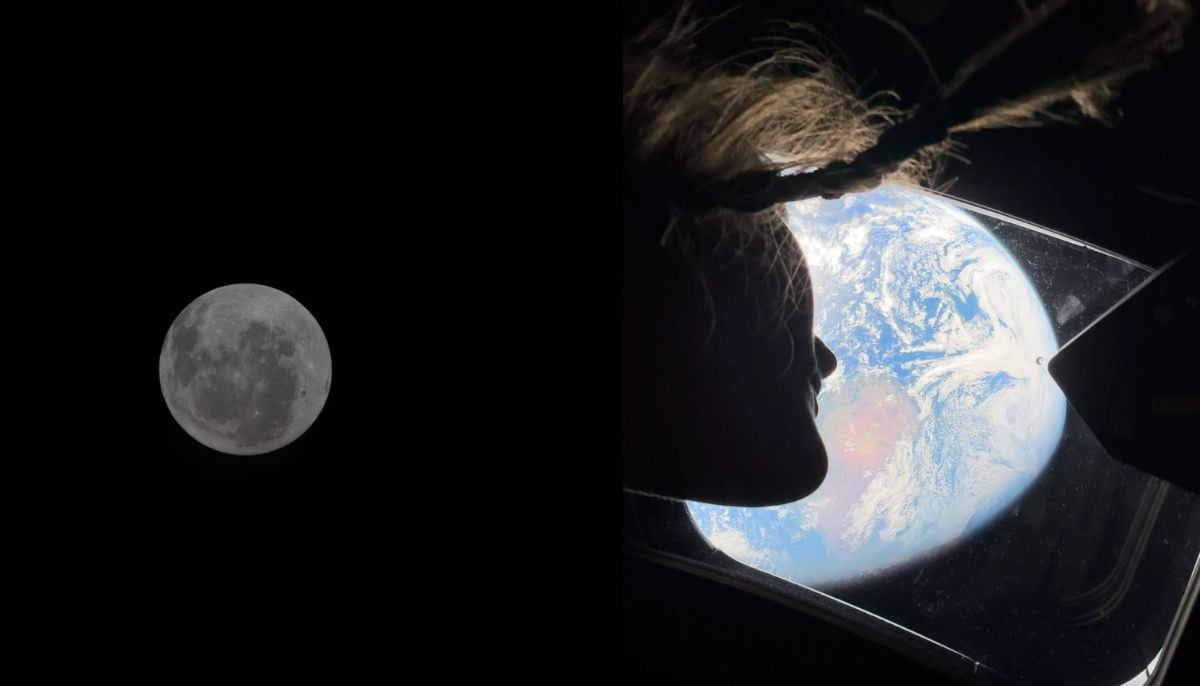
From the capsule, Artemis II pilot Victor Glover told the crew on the ground that what the four astronauts are currently seeing is “really hard to describe.”
“I know this observation won’t have any scientific value, but I’m very happy that we launched on April 1 because humans probably haven’t evolved to see what we see.”
In line with the NASA mission, they were observed to experience a “forward link loss.” This specifically means that the ground team was unable to talk to the astronauts aboard the Orion spacecraft for a short and expected period of time.
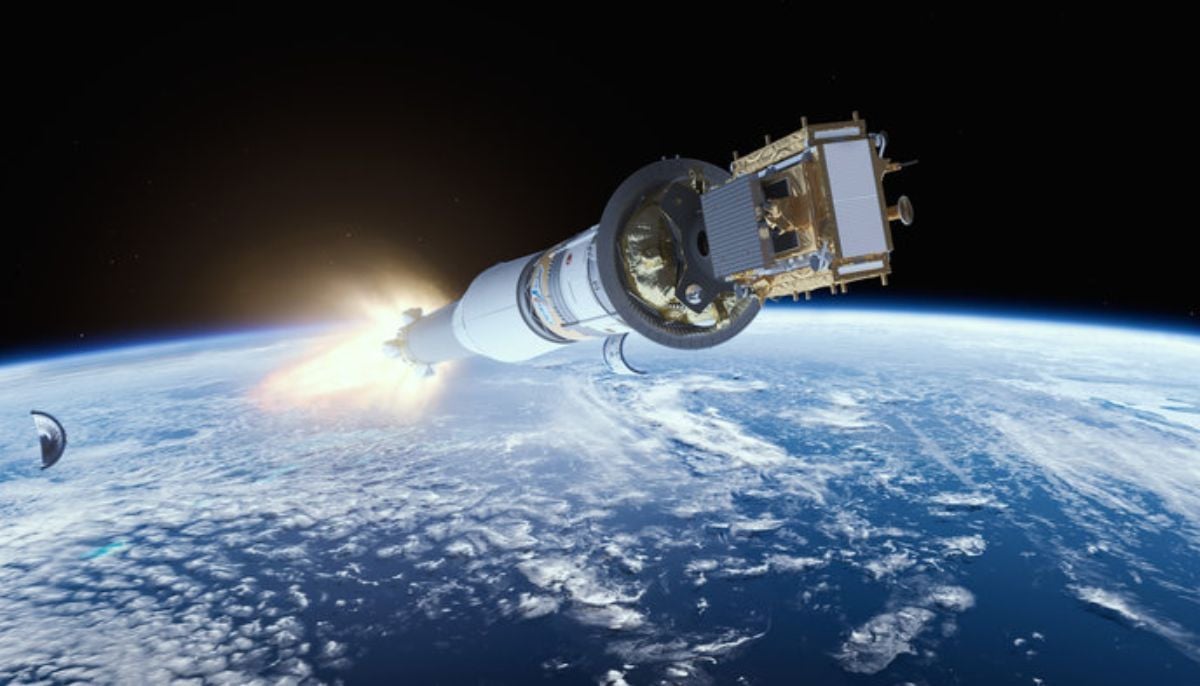
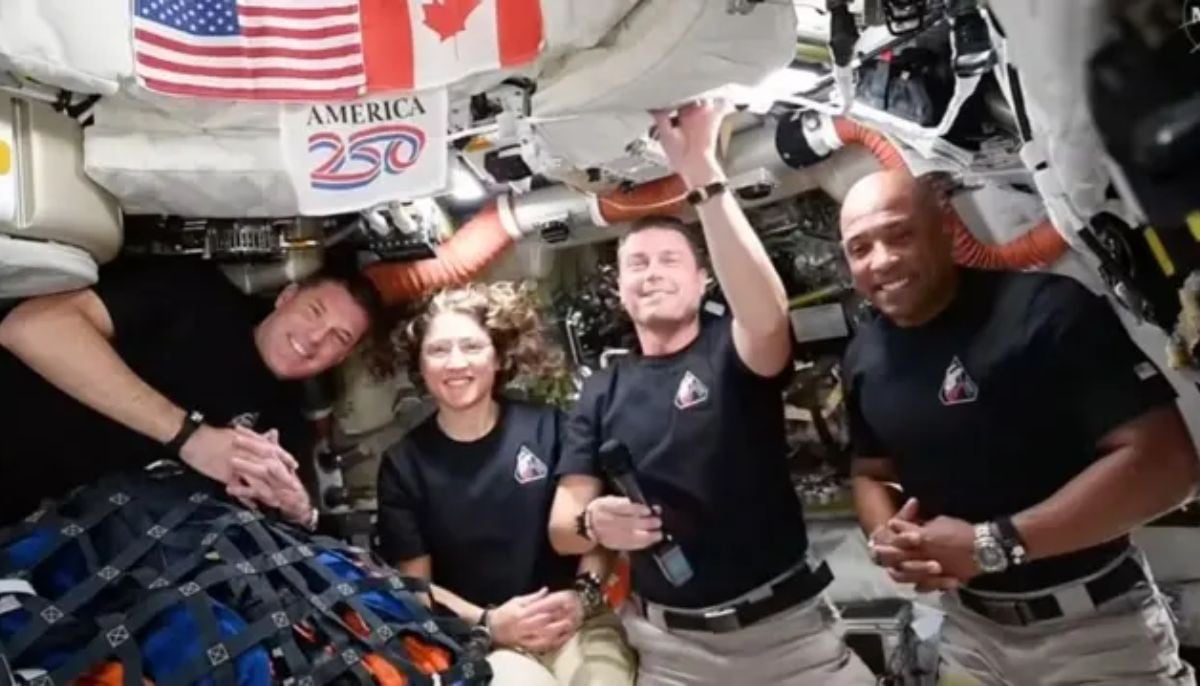
The Orion spacecraft launched its crew of four – Reid Wiseman, Victor Glover, Christina Koch and Canadian astronaut Jeremy Hansen – into orbit, beginning a journey that would push human exploration deeper into space than ever before. Artemis Mission Control further confirmed that a small speck seen during a NASA broadcast was Venus.
A member of Mission Control noted, “You are currently seeing a beautiful view of the solar array on the wing of the Orion spacecraft.” During the broadcast, it was noted that Venus – the second planet from the Sun and the sixth largest planet in our solar system – was visible as a small dot. This groundbreaking mission serves as an important testing ground for NASA’s long-term goals; Once the 10-day journey ends with a landing in the Pacific Ocean, the data collected will pave the way for a permanent human presence on the moon and future manned missions to Mars.