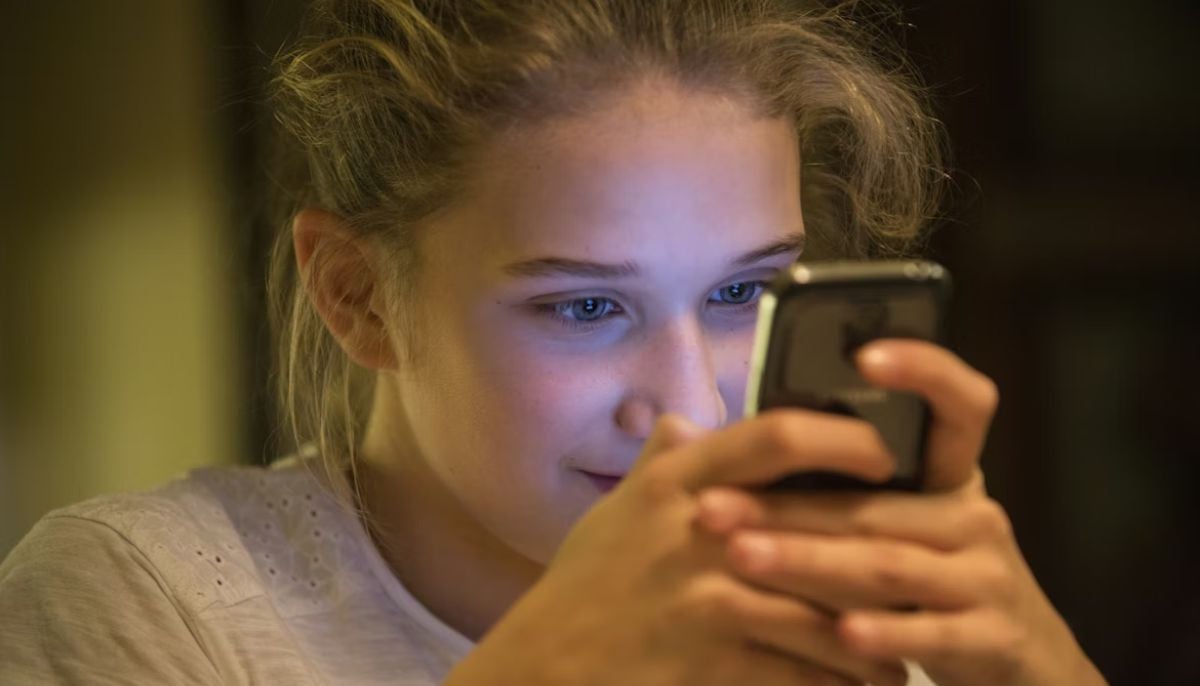
For years, blue light from phones and laptops was blamed for poor sleep. But emerging research suggests the real problem may be much broader than just screen exposure.
According to a report from the BBCa study examined the effects of blue light elimination during sleep on the human eye. The study used blackout curtains and special glasses to test the impact of the screen, but found that screens had less effect than researchers expected.
The fear of blue light may be exaggerated
People started worrying about blue light after researchers published a 2014 study showing that people who used a screen before bed experienced later sleep times and lower melatonin production. Blue light affects the way our body maintains its internal clock system, which regulates our sleep and wake cycles.
Researchers today believe that real-world environments show different results compared to scientific laboratory experiments. According to Stanford University expert Jamie Zeitzer, screen lighting is low powered, so it won’t disrupt sleep when used at night.
Studies show that exposure to human light during the day has a stronger impact. People living indoors in modern times face limitations that prevent them from seeing bright natural sunlight, leaving them unable to tell when it is day or night. The light level outside reaches approximately 10,000 lux in cloudy weather, which is higher than the brightness indoors and on phone screens.
The experts recommend that people spend time outdoors during the morning hours, while limiting their exposure to light after sunset to achieve better sleep results.
The researchers study how people use their devices, because they believe that device use has more harmful effects than exposure to light. The brain remains active during late night scrolling, including engaging content and social media activities, resulting in delayed sleep.
Zeitzer explains that people stay awake because they experience more content than actual light exposure. The combination of essential bedtime practices and nighttime blue light elimination provides better sleep benefits than blue light elimination itself. The effective methods include dimming lights for the evening hours and increasing light during the day and maintaining consistent sleep patterns.