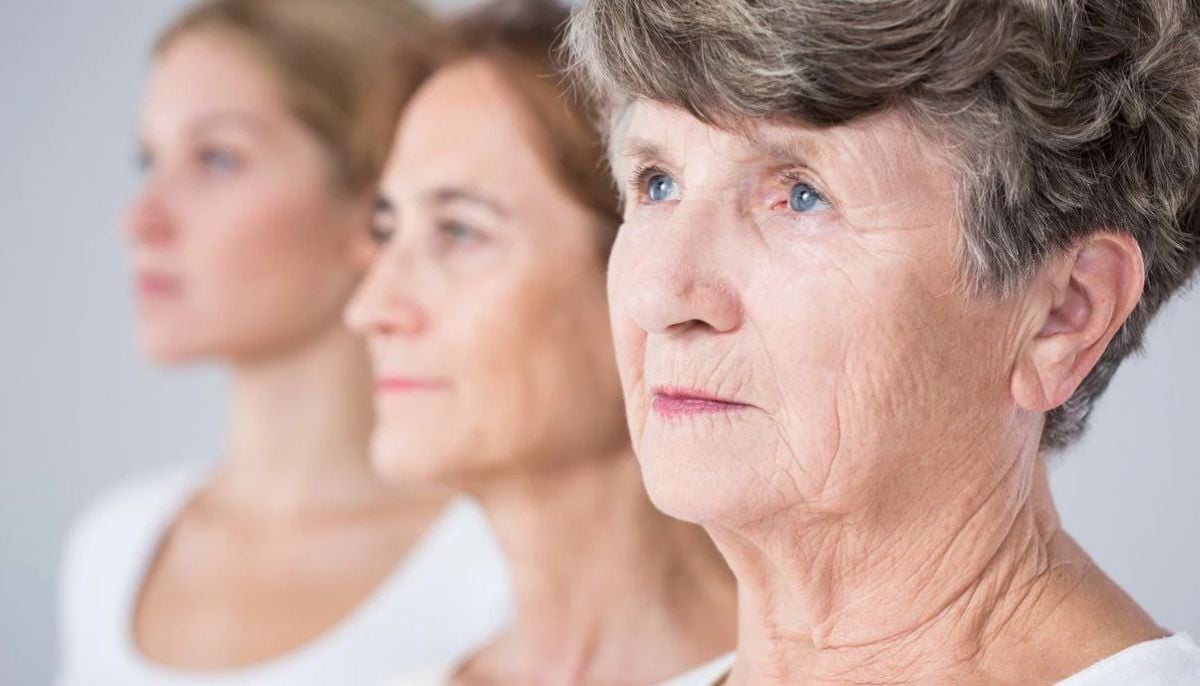
Are you one of the women who has suffered from Covid? A shocking link has emerged between the disease and depression, anxiety.
Older women with a history of both depression and anxiety had a 78% higher risk of developing long-term COVID after SARS-CoV-2 infection, according to researchers from the University of California San Diego in the Jan. 27, 2026 online edition of the journal Menopause.
“Some people have only anxiety. Others have only depression. When these conditions occur together, they usually indicate a more serious mental illness,” says Wael Al-Delaimy, MD, PhD, senior author, professor at the Herbert Wertheim School of Public Health and Human Longevity Science, UC San Diego.
“In this study, we measured women’s health over two decades by analyzing data from the Women’s Health Initiative. We found that older women with a combined history of both depression and anxiety before the COVID-19 pandemic were at the greatest risk of long-term COVID complications,” the expert added.
Long COVID is a chronic condition in which people experience persistent symptoms that last three months or more after the initial infection.
While women with both long-term depression and anxiety had a 78% greater risk of long-term COVID-19, their SARS-CoV-2 infection rates were not higher; only their risk of complications increased.
Higher anxiety scores increased the likelihood of long-term COVID symptoms such as fatigue, brain fog and shortness of breath.
Mental health history influenced safety habits: Women with long-term depression, or both depression and anxiety, were less likely to wear masks, wash their hands, or socially distance.
Women who felt anxious during the early pandemic were slightly more likely to follow these rules, because people with mental illnesses are vulnerable to other illnesses and can have difficulty following public health guidelines.
“We hope that by characterizing these mental health risk factors, public health officials and policymakers can target preventative measures to those with the greatest need,” said co-author William Bruno, MD, MPH, associate professor in the department of emergency medicine at UC San Diego School of Medicine.
“In addition, the community must remain vigilant and care for those who may be dealing with loneliness, isolation or existing mental health conditions, should a new pandemic or other isolating event occur,” Al-Delaimy concluded.