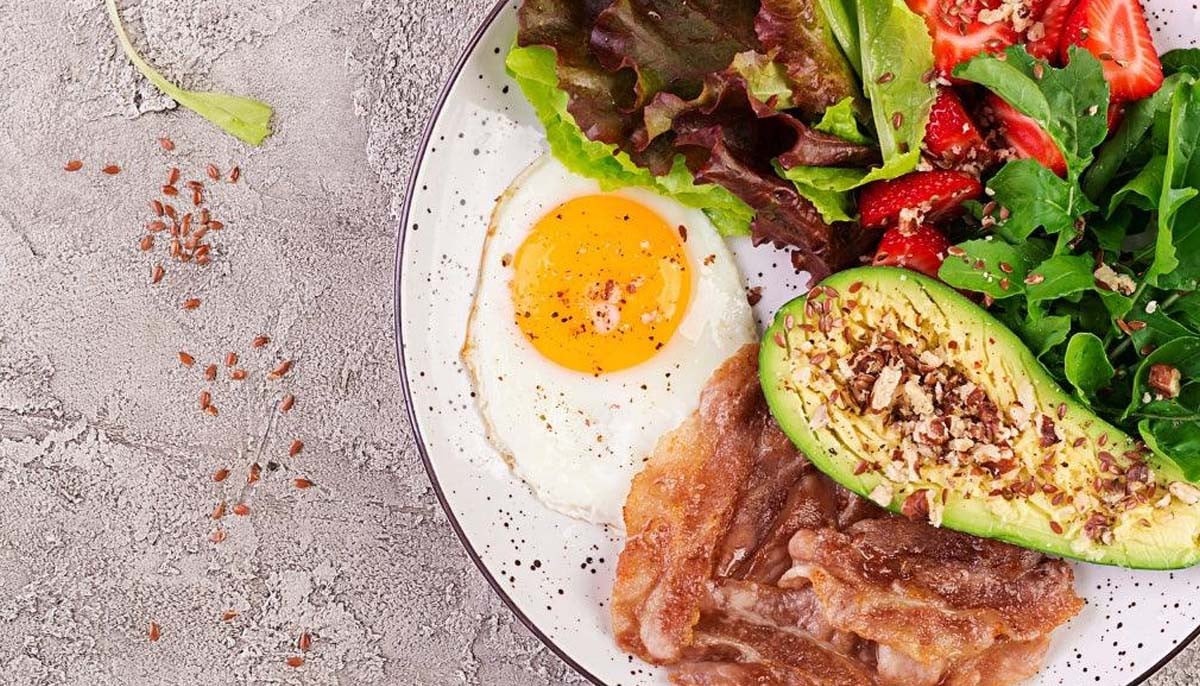
Many people must have tried a keto diet at least once.
A keto diet involves almost completely avoiding carbohydrates in your diet, and induces a state of ketosis, where the body burns stored fat for energy, which in turn helps people lose weight.
However, the high-fat, low-carb diet can cause serious health problems, including the risk of liver cancer within 20 years.
A worrying new study suggests that although people believe this diet can cause weight loss without feelings of hunger, the fatty acids can fundamentally alter liver cells.
American scientists discovered that when the liver is repeatedly exposed to a high-fat diet, the cells enter a more primitive state.
And while this change helps the liver manage the stress caused by excess fat, it also makes it more vulnerable to disease.
“When cells are forced to deal with a stressor such as a high-fat diet over and over again, they will do things that will help them survive, but at the risk of increased susceptibility to tumorigenesis. [when normal cells mutate and become cancerous]” explained Professor Alex Shalek, director of the Institute for Medical Engineering and Sciences, and co-author of the study.
The team hopes that by detecting these changes early, doctors can reduce the risk of tumor formation in vulnerable people.
High-fat diets have long been linked to steatotic liver disease, in which excess fat builds up in the liver and causes inflammation, liver failure and eventually cancer.
In the study, published in the journal Cell, researchers fed mice a high-fat diet and analyzed how their livers responded.
Early evidence showed that liver cells called hepatocytes activated genes to help them survive, avoiding cell death and promoting growth.
At the same time, however, genes essential for normal liver function were disabled.
“This really looks like a trade-off, prioritizing what is good for the individual cell to stay alive in a stressful environment, at the expense of what the collective tissue should do,” says Constantine Tzouanas, a Harvard-MIT graduate and co-author of the study.
By the end of the study, almost all mice fed a high-fat diet had developed liver cancer.
The researchers concluded that when liver cells adapt in this way, they are more likely to develop cancer if a harmful mutation later occurs.