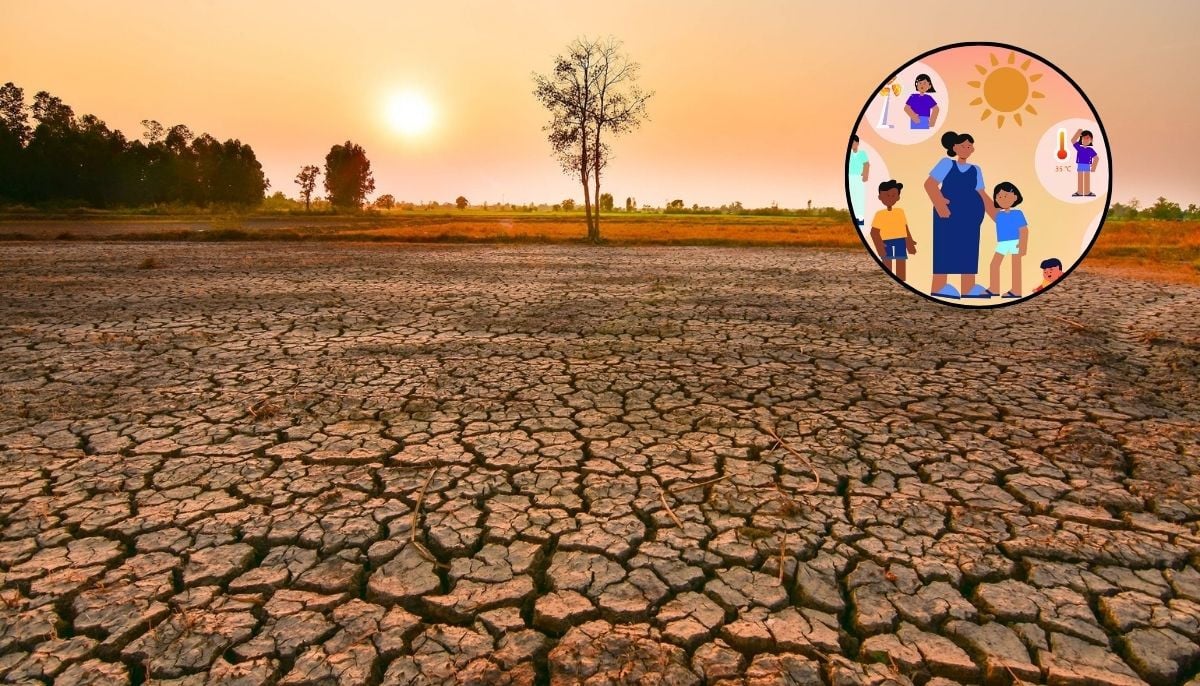
The researchers in a recent study have found a disturbing link between scorching heat waves and their harmful impact on child development.
According to findings published in the Journal for child psychology and psychiatry, rising temperatures above 30°C are likely to hinder children’s learning and growth opportunities.
Evidence shows that children living in unusually warm areas are less likely to achieve grades and literacy milestones compared to children living in cool environments.
According to lead author Jorge Cuartas, assistant professor of applied psychology at NYU Steinhardt, “Although heat exposure has been linked to negative physical and mental health consequences across the lifespan, this study provides new insight that excessive heat negatively impacts young child development in several countries.”
Given the importance of children’s development, it is difficult to discount its crucial role in lifelong learning and physical and mental well-being.
“These findings should alert researchers, policymakers and practitioners to the urgent need to protect child development in a warming world,” Cuartas added.
The study led by Cuartas and his team examined data from 19,607 children aged three and four years old in six different low- to middle-income countries, including Gambia, Georgia, Madagascar, Malawi, Palestine and Sierra Leone.
The team also used the Early Childhood Development Index (ECDI) to track development in four key domains, including social-emotional development, literacy achievement, physical development and approaches to learning.
Negative impacts were most prominent among children from economically disadvantaged households, densely populated urban areas, and homes with limited access to food and clean water.
“We urgently need more research to identify the mechanisms…Such work will help set concrete targets for policies and interventions that strengthen preparedness, adaptation and resilience as climate change intensifies,” Cuartas added.