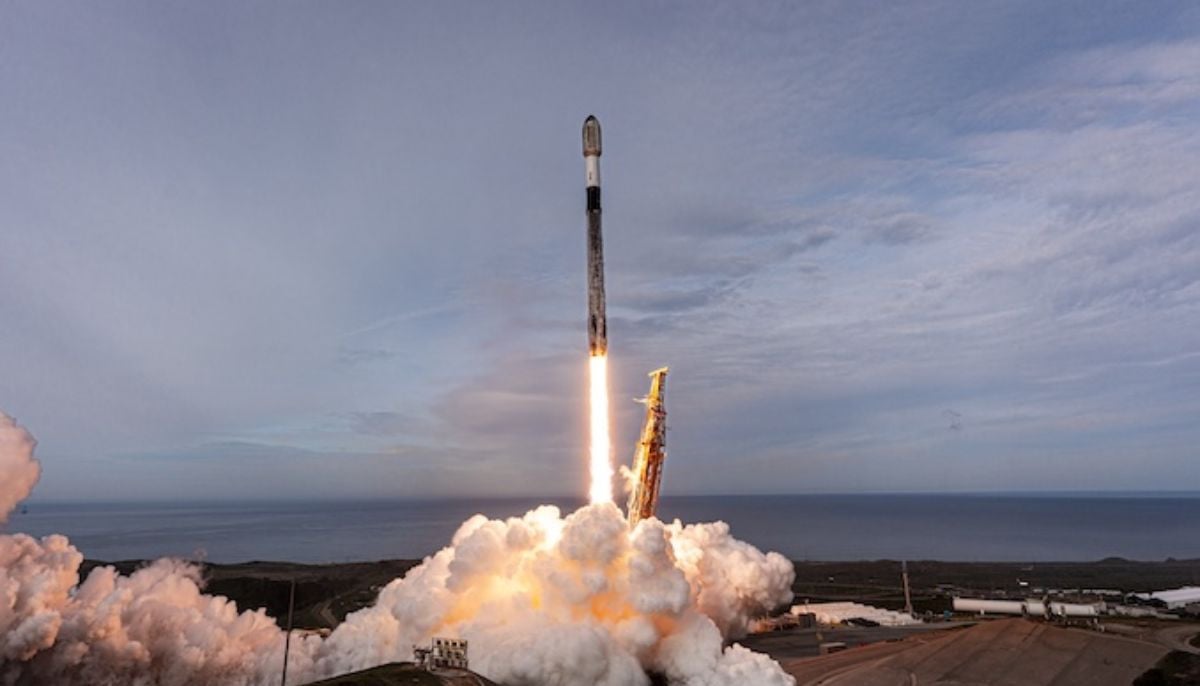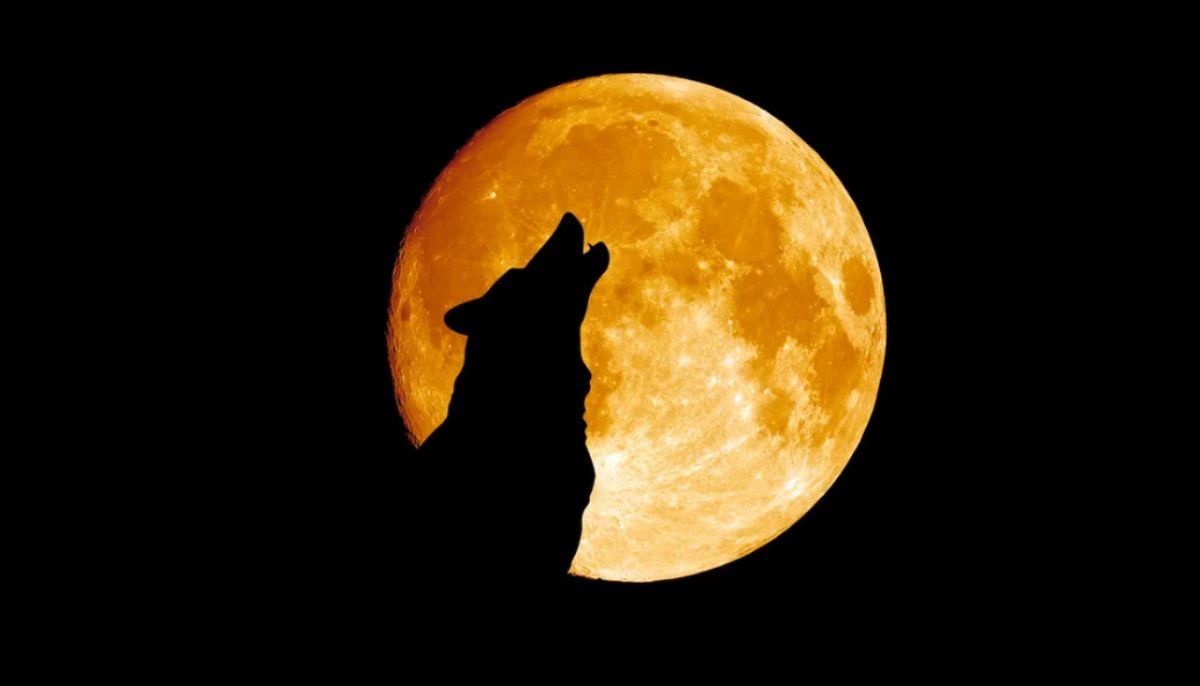
The beginning of the new year’s celestial show has begun, as the first supermoon of the year was sighted on January 5, 2026, lighting up the night sky with its beautiful appearance.
People around the world took stunningly beautiful images of the ‘wolf moon’ as visibility was good even on the coldest days.
The first supermoon of 2026 lit up the British sky, providing a spectacular display for observers this weekend.
Stonehenge, United Kingdom
Surrey, United Kingdom
_updates.jpg)
London, UK
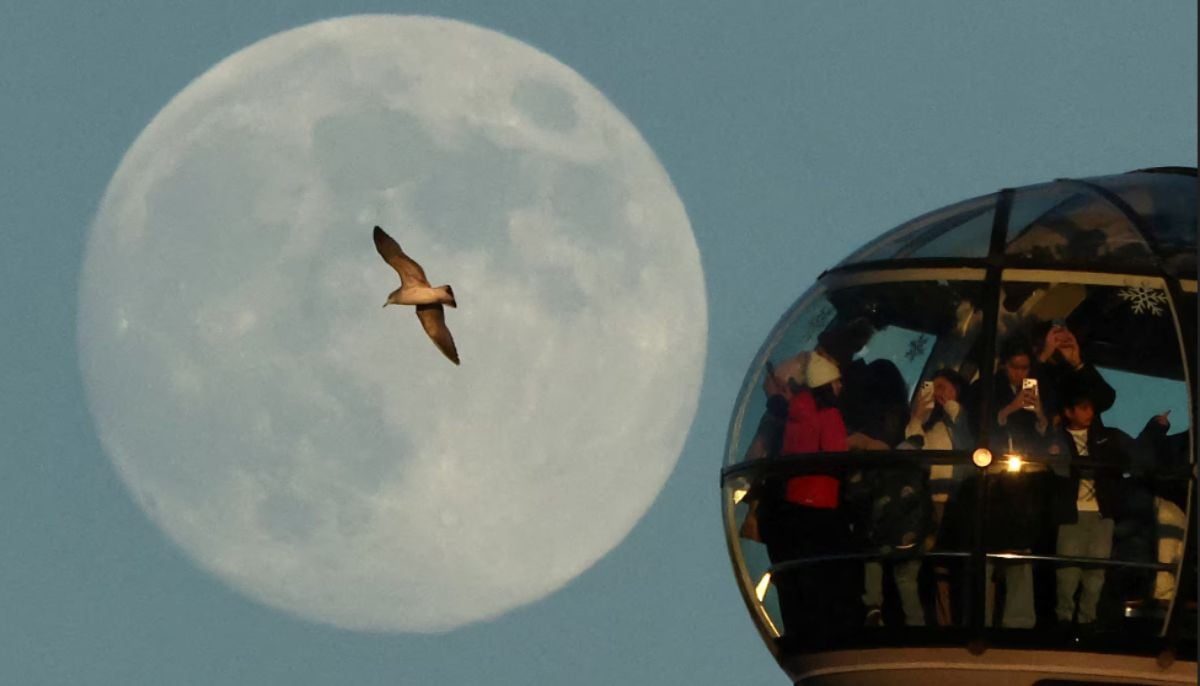
London, UK
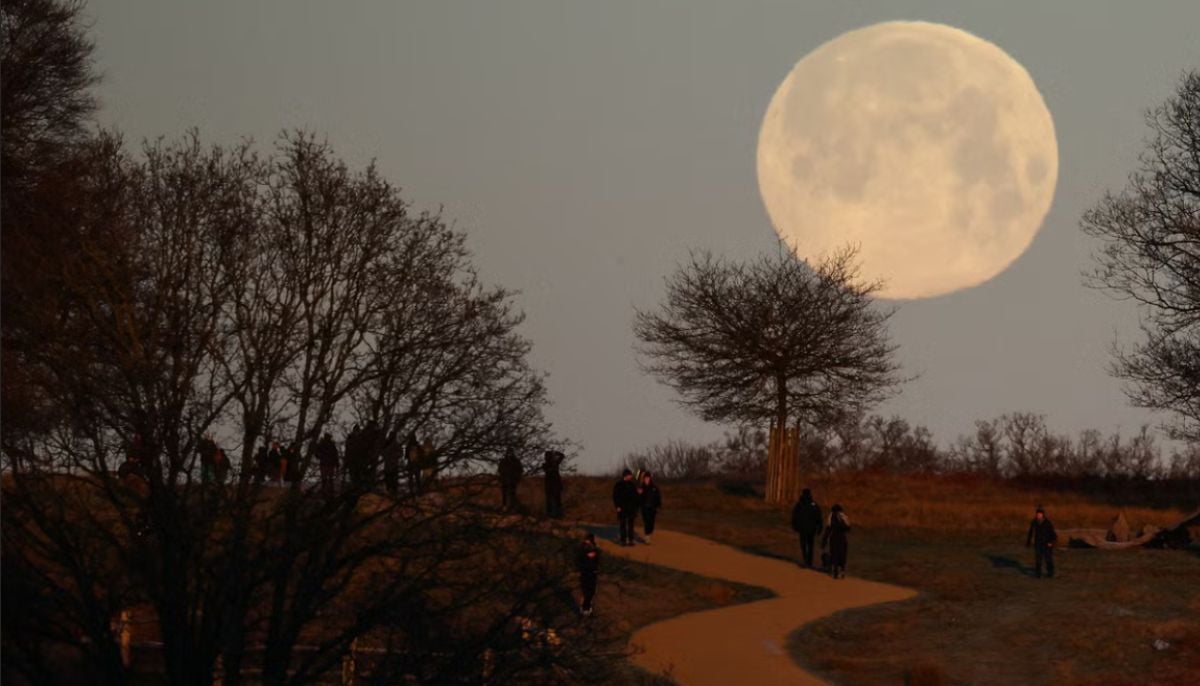
Glastonbury, United Kingdom
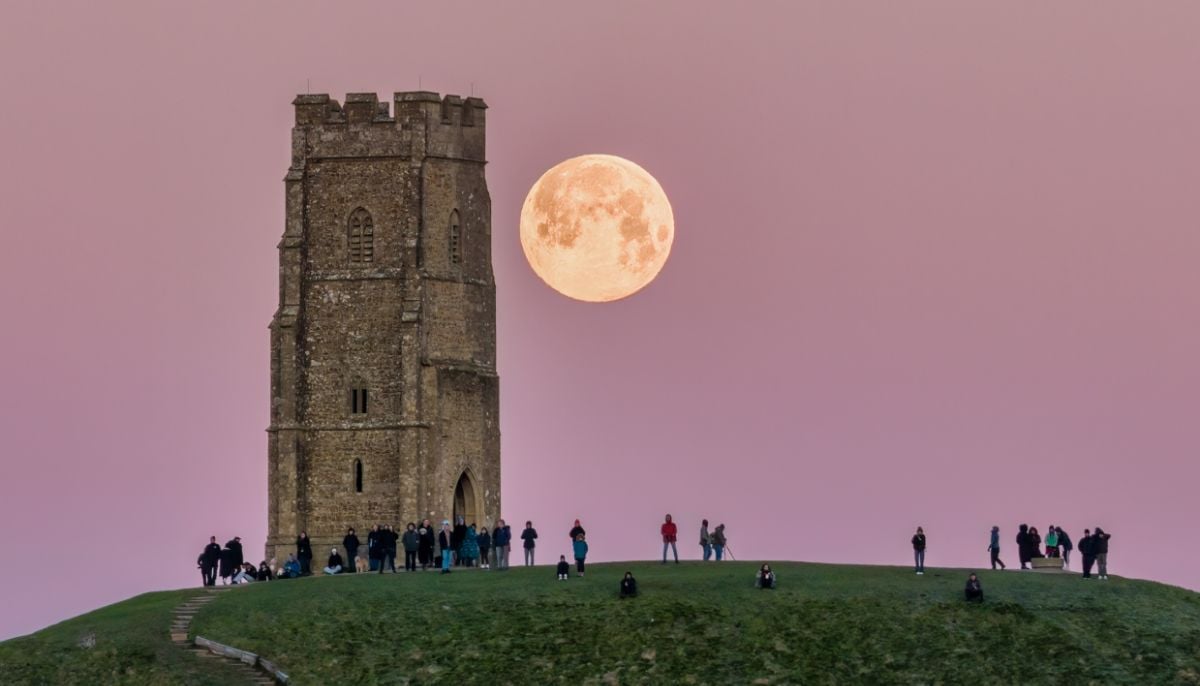
Glastonbury, United Kingdom
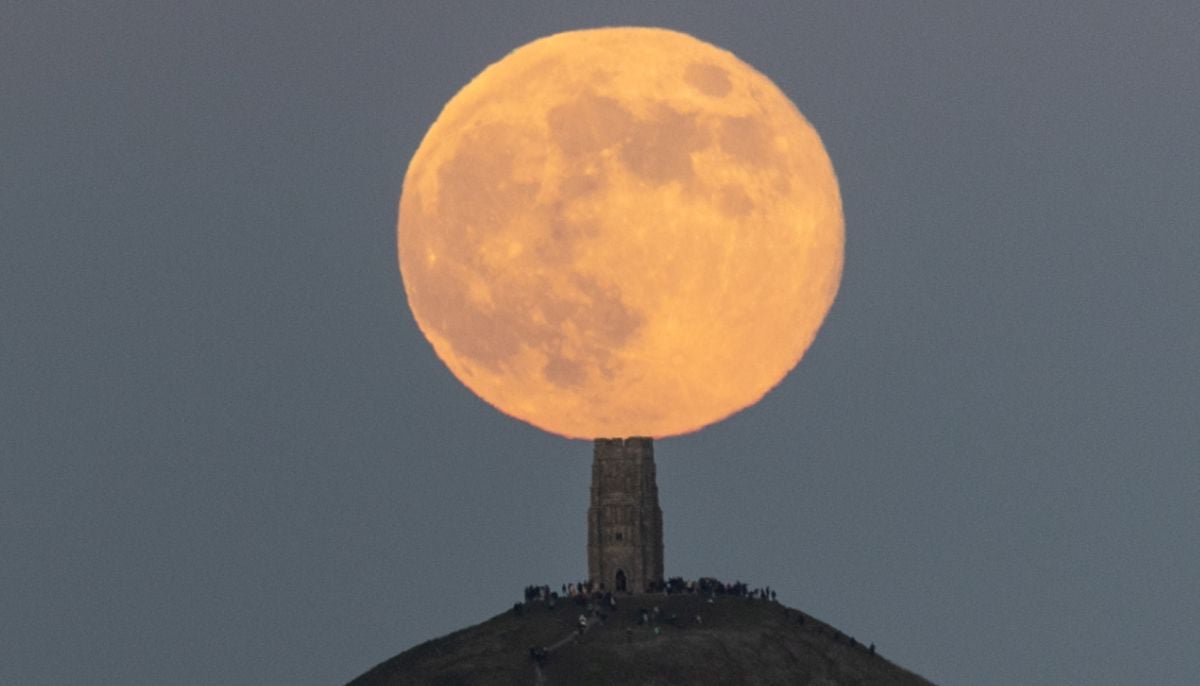
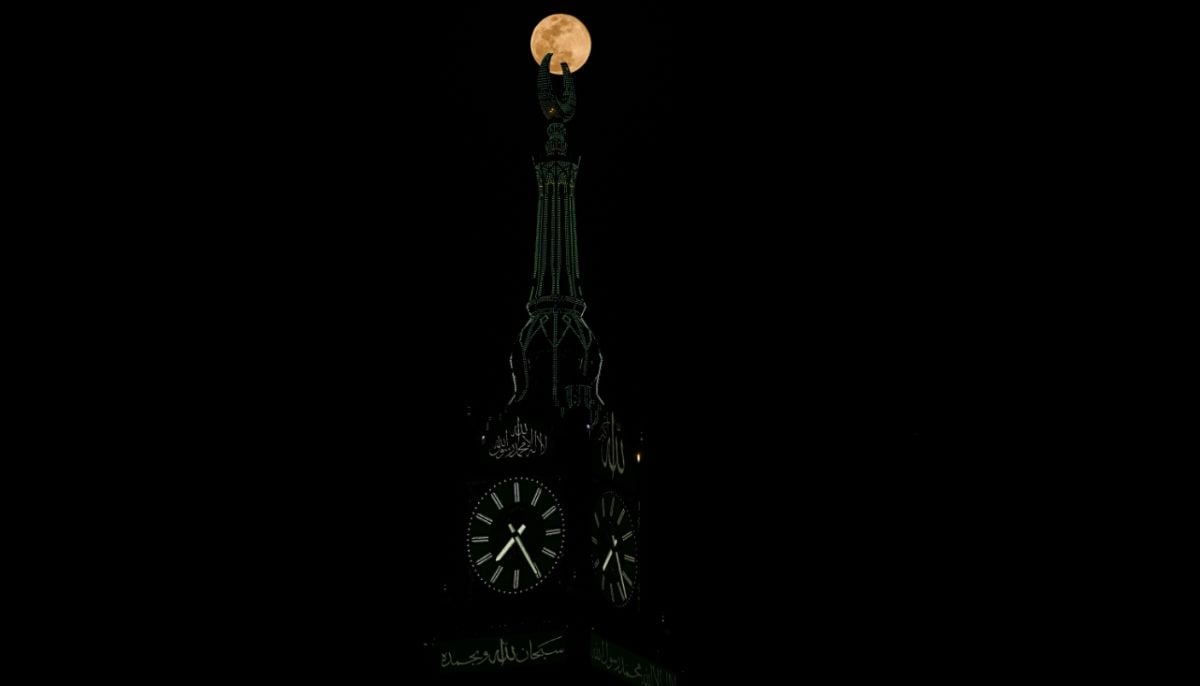
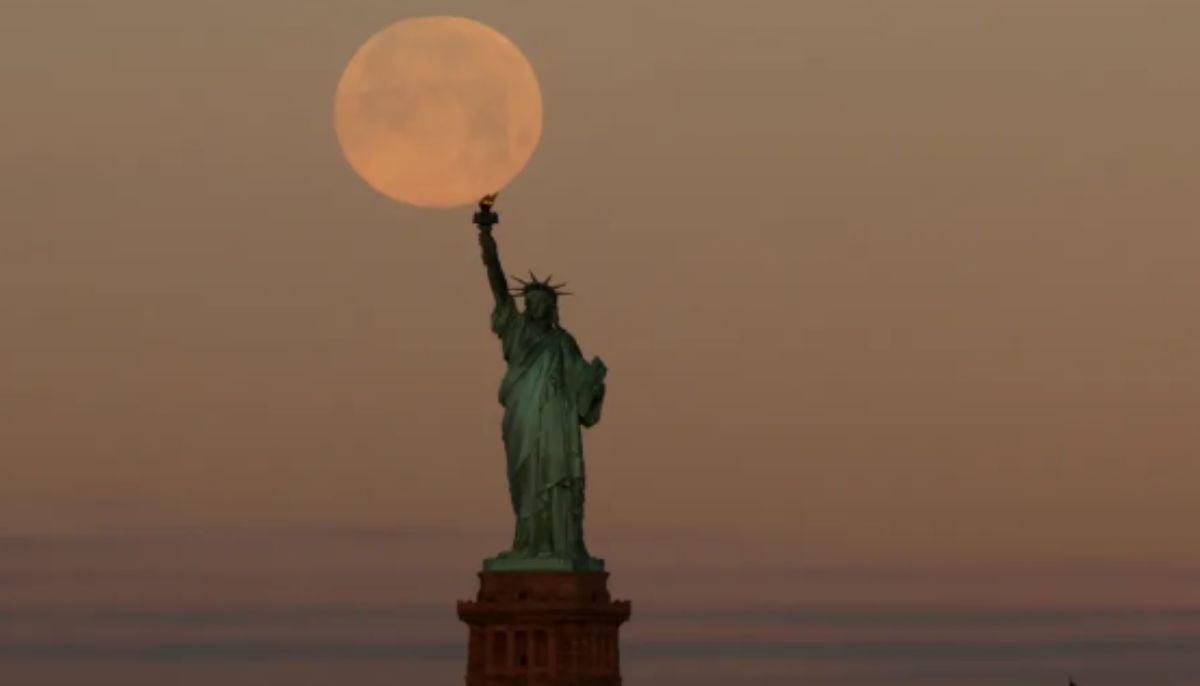
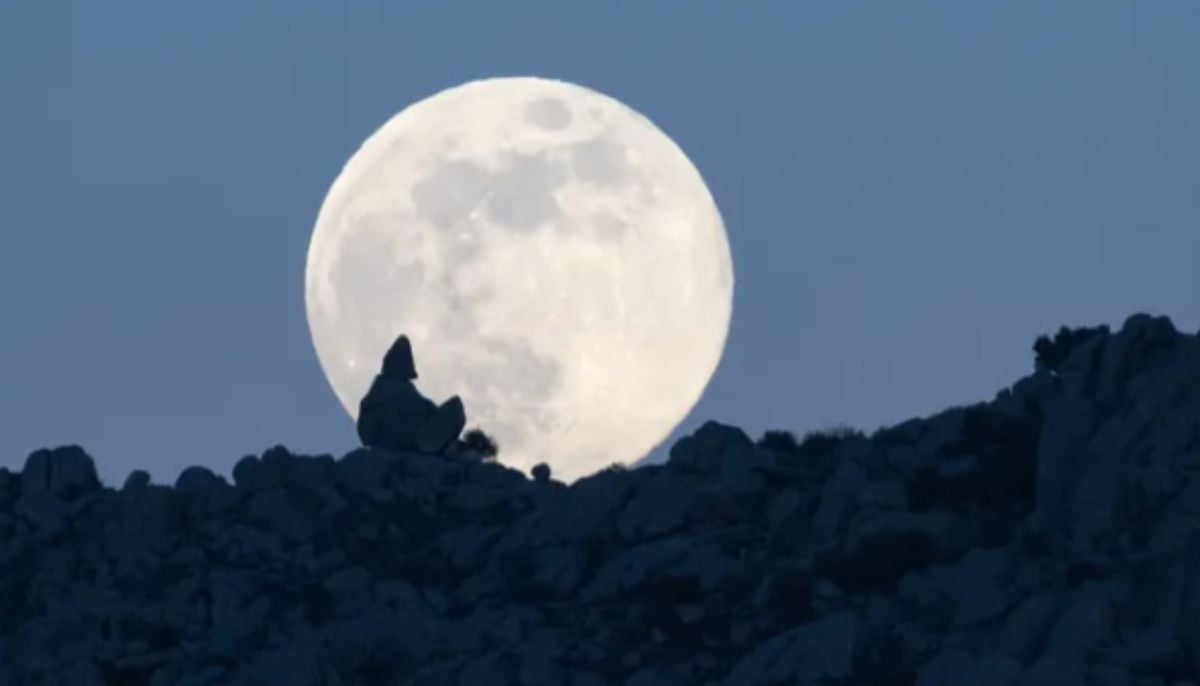
The images below also show a glimpse of the wolf moon seen in other countries around the world.
Gloucester, MA
_updates.jpg)
China

Germany
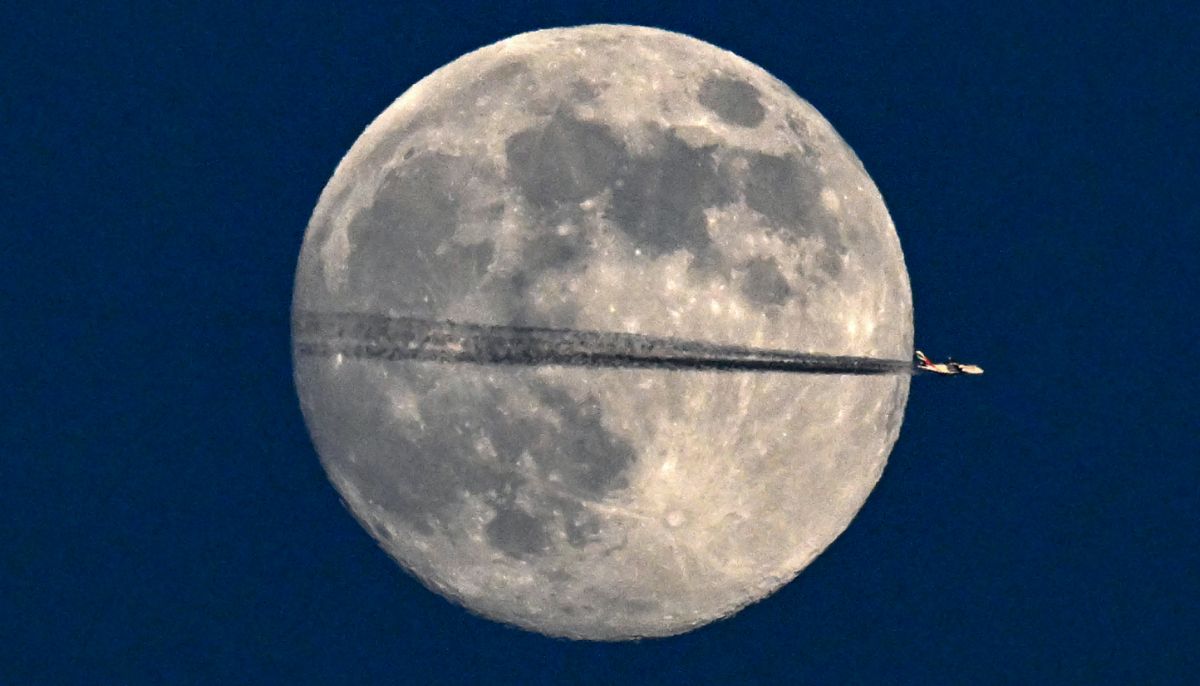
KSA
San Salvador, El Salvador
_updates.jpg)
America
Sierra de Guadarrama, Spain
The Royal Observatory in Greenwich explains that the name ‘Wolf Moon’ was inspired by hungry wolves that howled during the winter months as they searched for food.
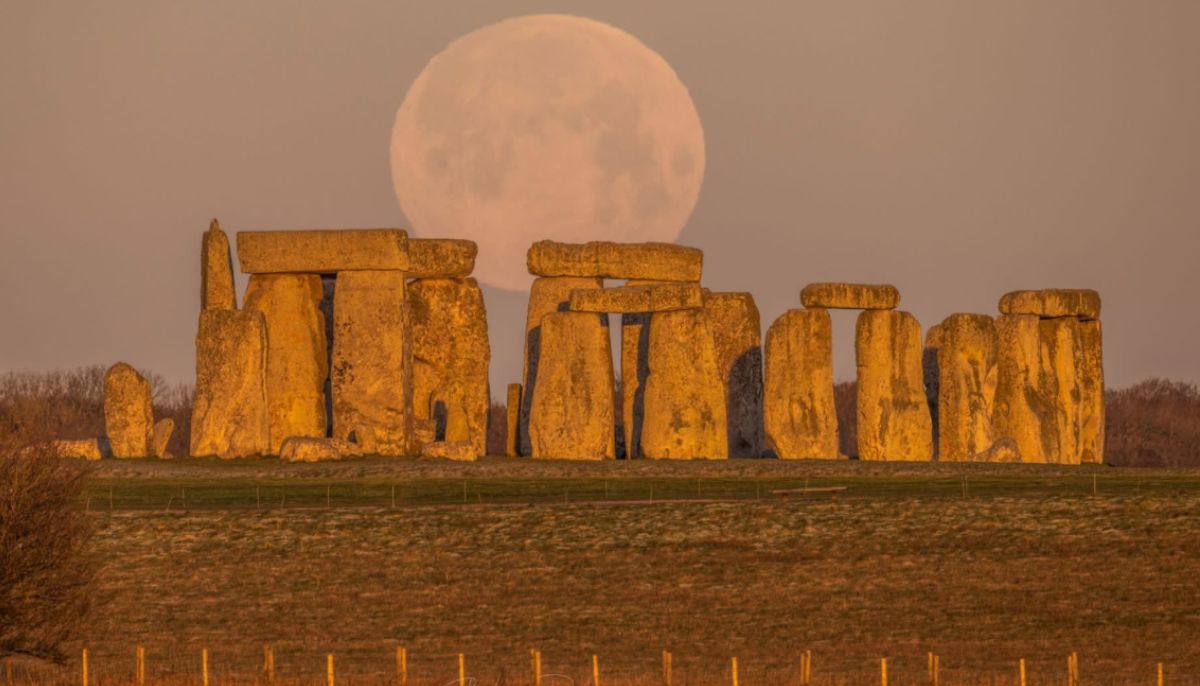
A striking image shows the supermoon setting behind Stonehenge in Wiltshire, south-west England.
A supermoon occurs when a full moon coincides with the moon’s closest approach to Earth in its elliptical orbit, the “perigee” – about 220,000 miles from Earth, compared to 250,000 miles at its farthest point, or the “apogee.”
Moreover, the Wolf Moon is the fourth supermoon in a row, after October’s ‘Harvest Moon’, November’s ‘Beaver Moon’ and the ‘Cold Moon’ observed in December 2025.
While supermoons occur three to four times a year, consecutive supermoons like this are rare.