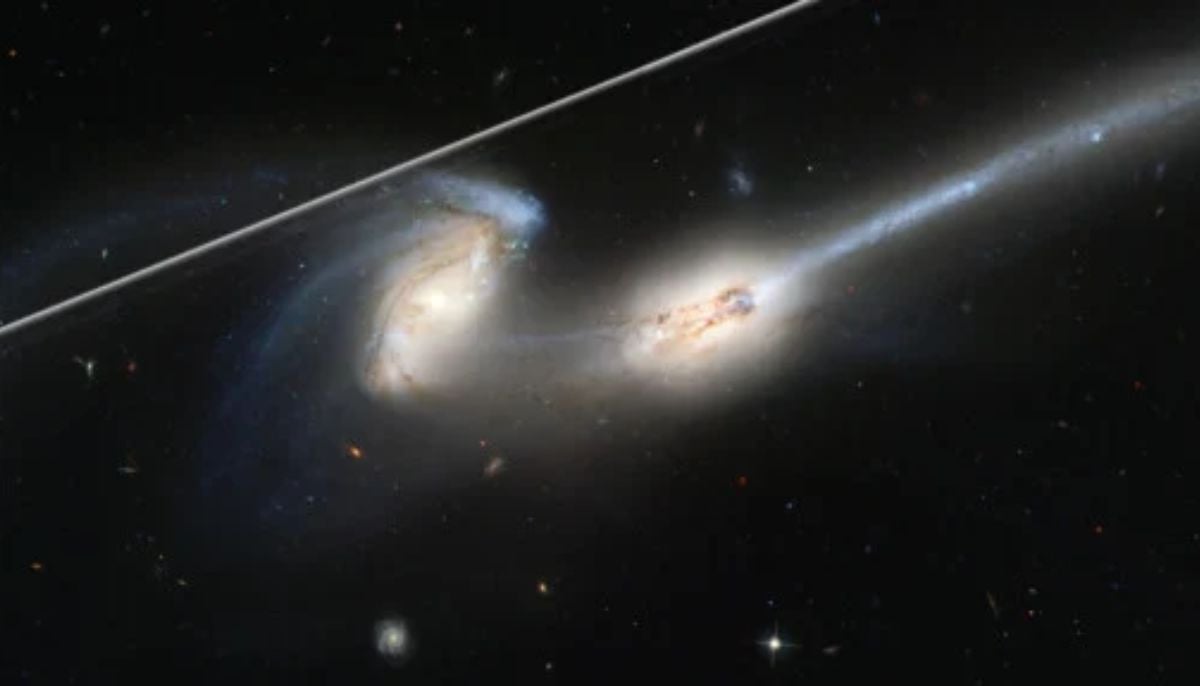
NASA has reportedly raised concerns about the increasing number of satellites in low Earth orbit, increasing light pollution and destroying space telescopes across the field of view.
According to a new study published in NatureSpecifically, it concludes that light reflected or emitted from satellites could contaminate a large number of images taken by various telescopes over the next decade.
The recent trails distort scientific data, making it difficult to analyze crucial observations from powerful telescopes.
The study specifically analyzed four major missions: NASA’s Hubble Space Telescope and SPHEREx, the European Space Agency’s ARRAKIHS, and China’s Xuntian.
The simulations showed that about 40 percent of Hubble images and about 96 percent of images from SPHE REx, ARRAKIHS and Xuntian could contain satellite bands.
It has been observed that the effect is less for Hubble because it has a limited range in that area.
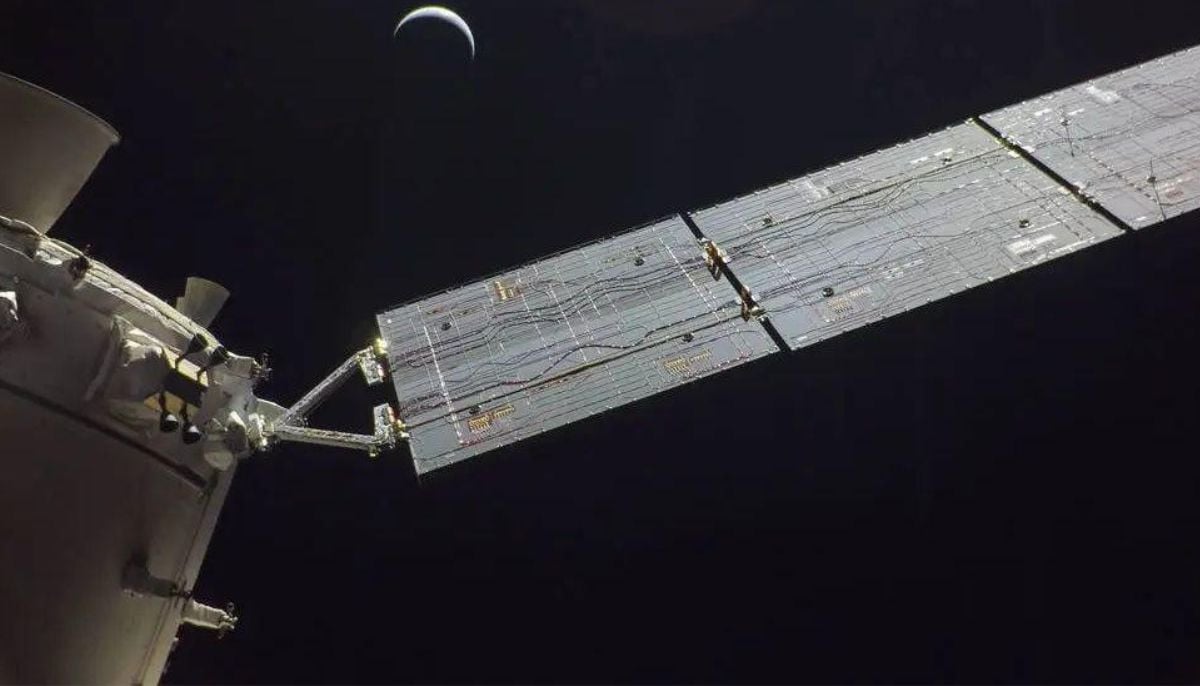
Orbiting telescopes can see an electromagnetic spectrum without atmospheric distortions, making them crucial for studying faint galaxies, planets and other important targets.
In this regard, the study’s leading authority, Alejandro Borlaff, said: “Although until now most light pollution has come from cities and vehicles, the emergence of telecommunications satellite constellations is quickly beginning to influence astronomical observations worldwide.”
Mysterious concept of light contamination
Light pollution was once considered a complication for ground facilities.
The assumption was that space telescopes operating above the celestial sphere would be shielded from human interference.
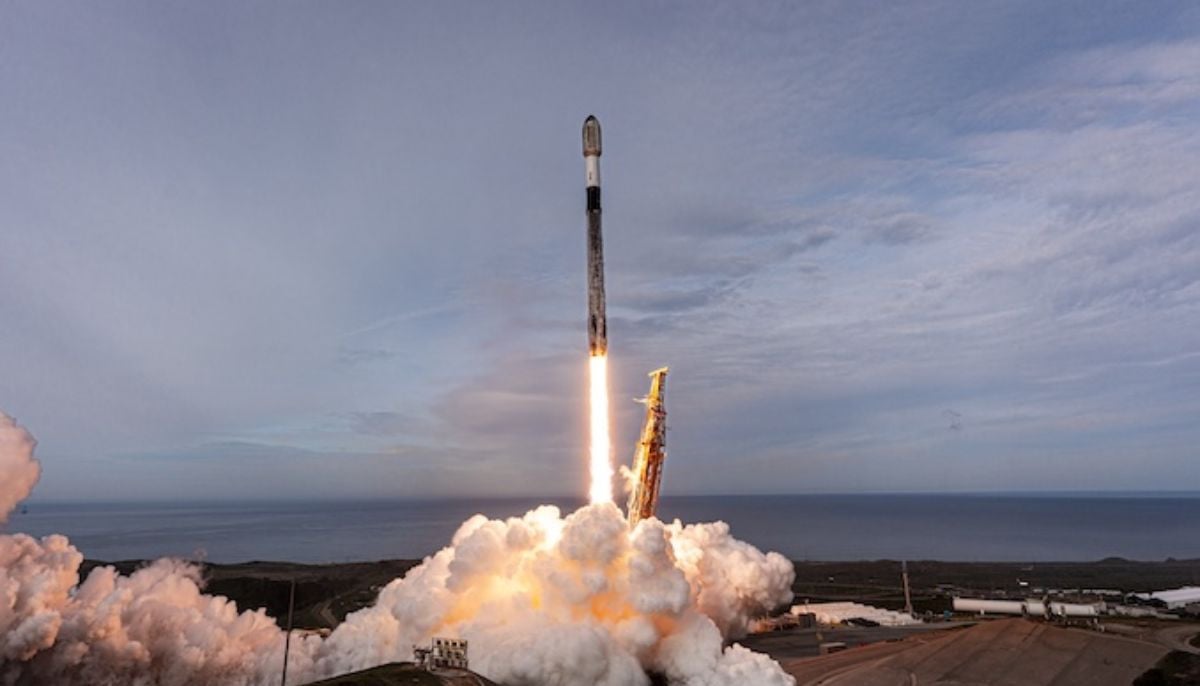
It has been observed that there were approximately 2,000 satellites in low Earth orbit in 2019.
The current study estimates that there could be 560,000 satellites in orbit by 2030.
The team simulated the orbital patterns of giant clusters such as Starlink Guowang and the Amazon Network, and merged them with different properties of each telescope: height, trajectory and field of view.
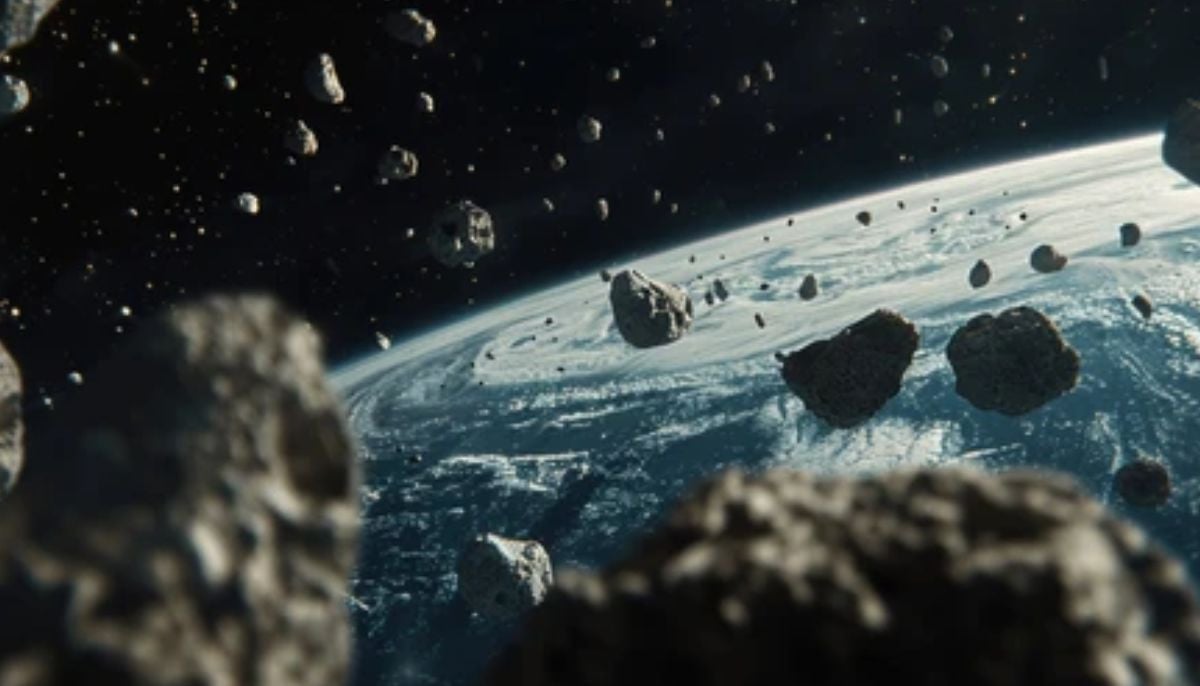
The trajectories of satellites can be similar to the streaks generated by asteroids, while making it extremely difficult to track these dangerous objects.
To complete the mission, the James Webb Space Telescope and other spacecraft operating in higher orbits, including Euclid and the Nancy Grace Roman Space Telescopes, will also be affected.
Recent satellite networks are influenced by Elon Musk’s Starlink network, which accounts for almost three-quarters of the satellites in orbit.
Nevertheless, the research made it clear that Starlink could demonstrate about a tenth of the total, opening ways for new competitors to launch their own constellations.