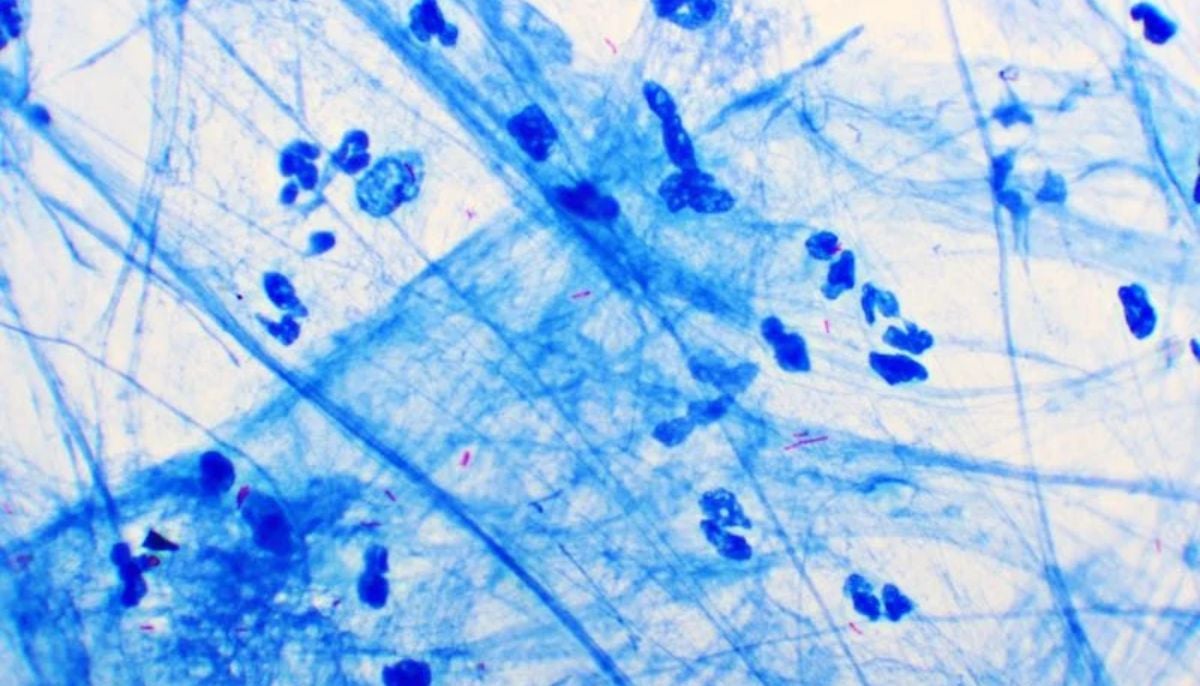
A surprising breakthrough has been made by UC Davis’ Department of Pathology and Laboratory Development in the development of a new blood test for tuberculosis (TB) designed to identify the active and infectious form of the disease. The main motive behind this discovery is to enable faster diagnosis and treatment while helping prevent the spread of tuberculosis by infectious individuals. Current TB screening tests do not distinguish between active TB disease, latent or inactive infection.
Although tuberculosis is caused by the bacterium Mycobacterium tuberculosis, only people with active infections can spread the disease by coughing, sneezing or speaking. The new blood tests measure the immune system’s response to TB proteins, similar to the interferon-gamma release assay (IGRA). It has been observed that this test, unlike the IGRA, specifically identifies antibodies associated with active tuberculosis.
This allows doctors to identify patients who are currently sick and contagious, rather than those who have simply been exposed to the bacteria in the past. The credibility of the test was analyzed during a clinical trial in India from 2029 to 2023, involving more than 600 participants. The results showed that the test performed very well in identifying pulmonary tuberculosis in adults, which accounts for about 60% to 70% of infections.
The data analysis and clinical trial report have been successfully submitted to the Council of Medical Research. Once approved, the test could be expanded to neighboring countries. It is estimated that India, Pakistan and Bangladesh account for approximately 30% to 40% of the global TB population. This new technology could mark a major milestone in the global fight against tuberculosis, improving disease control and reducing transmission worldwide.