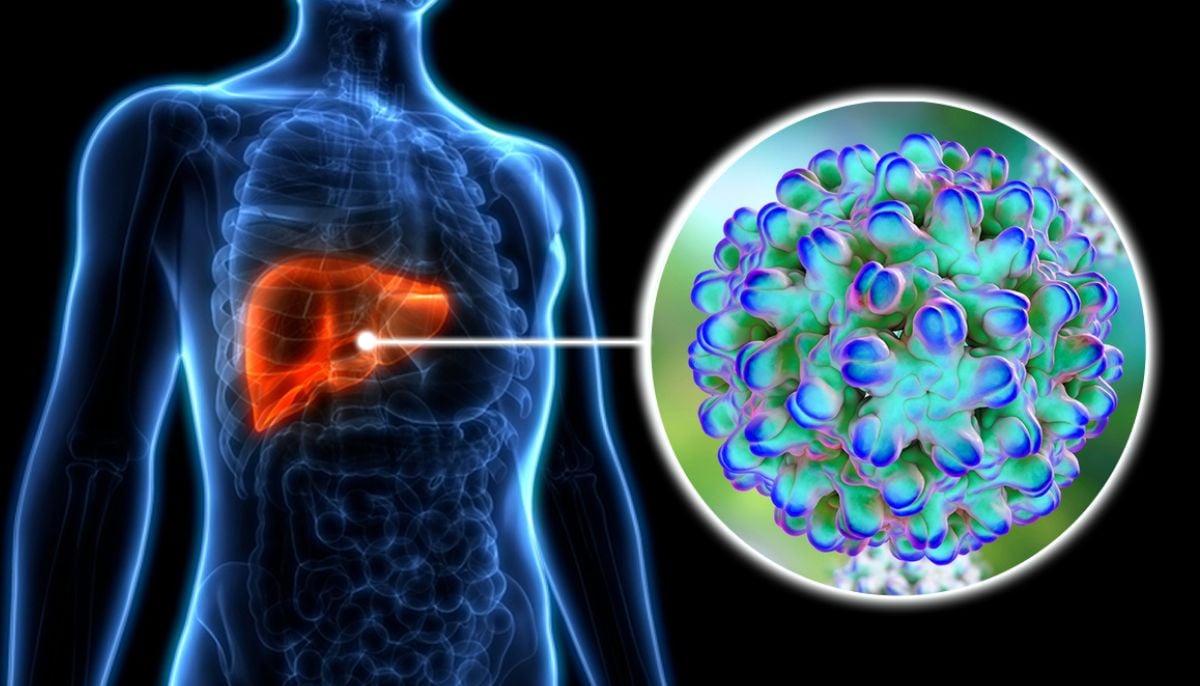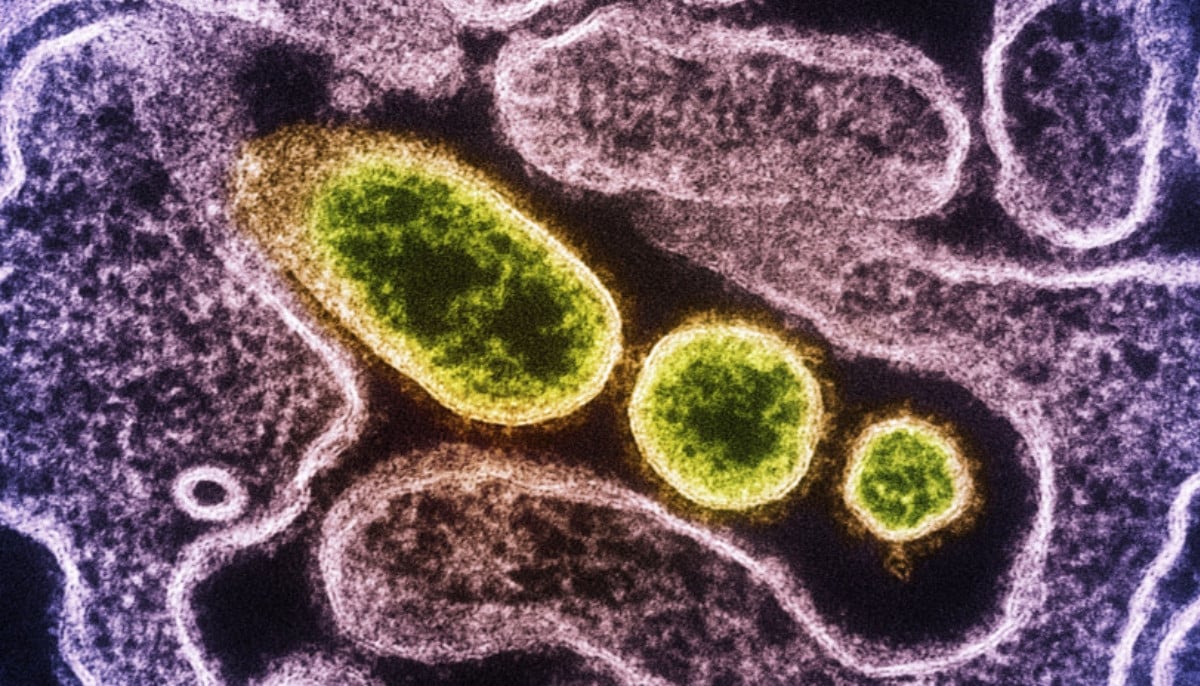
India is working to contain an outbreak of the Nipah virus in the eastern state of West Bengal after five confirmed cases, including infections among doctors and nurses.
Local media reports that nearly 100 people have been asked to quarantine at home while patients are being treated in hospitals in and around Calcutta. At least one patient is in critical condition.
Nipah virus is considered a high-risk pathogen by the World Health Organization and there is no approved vaccine or drug for it.
Human infections are rare but can be serious and often occur after the virus is transmitted from fruit bats through contaminated food.
According to the U.S. Centers for Disease Control and Prevention, the incubation period for Nipah virus infection typically ranges from four to 21 days, although longer delays have been reported in previous outbreaks.
Early symptoms are often nonspecific, which can make detection difficult. Patients usually develop a sudden flu-like illness that includes fever, headache, muscle aches and fatigue.
In some cases it also concerns respiratory complaints such as coughing, shortness of breath or pneumonia.
The most serious complication is inflammation of the brain, known as encephalitis.
Neurological symptoms such as confusion, seizures, altered consciousness, or coma may occur days or weeks after the onset of the disease. Some patients may also develop meningitis.
Survivors can experience long-term neurological effects, and the UK Health Security Agency has reported that in rare cases encephalitis can return months or years later.
The World Health Organization says the Nipah virus spreads from animals to humans and between people through close contact with bodily fluids.