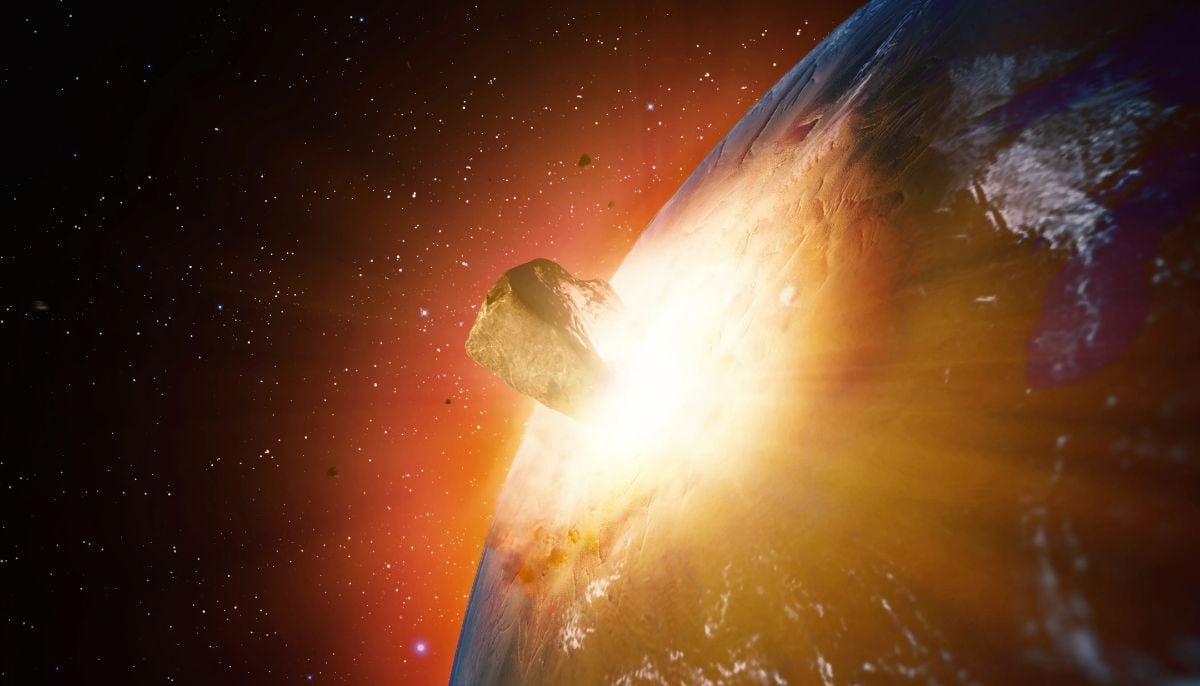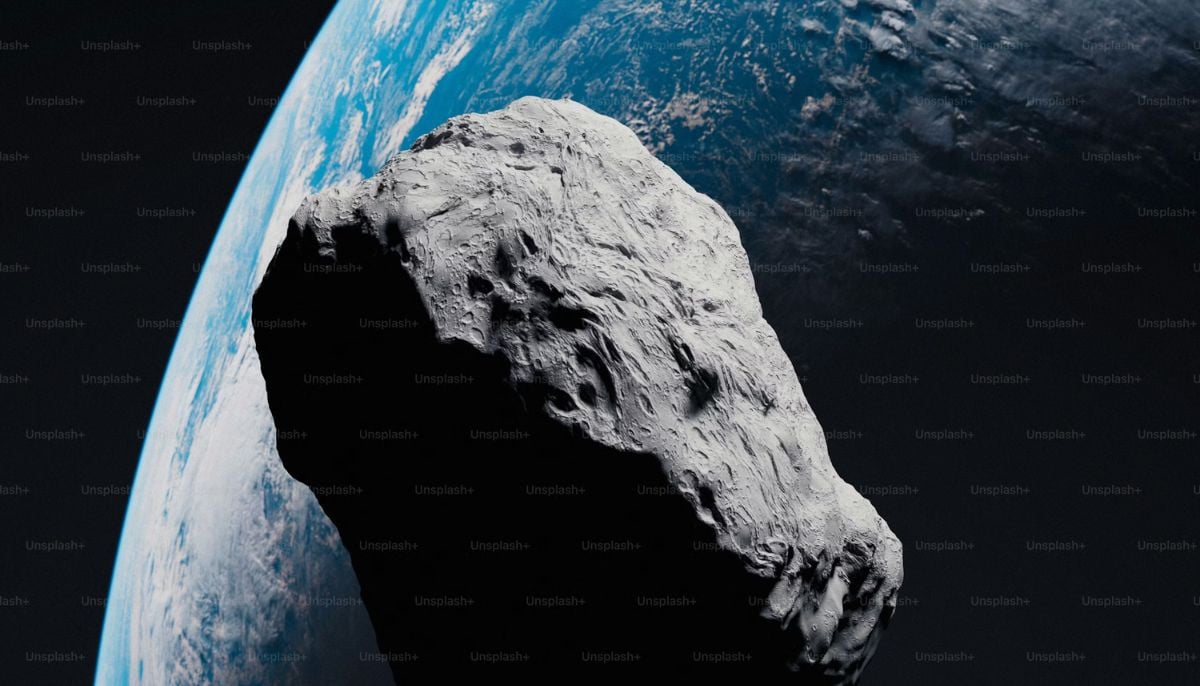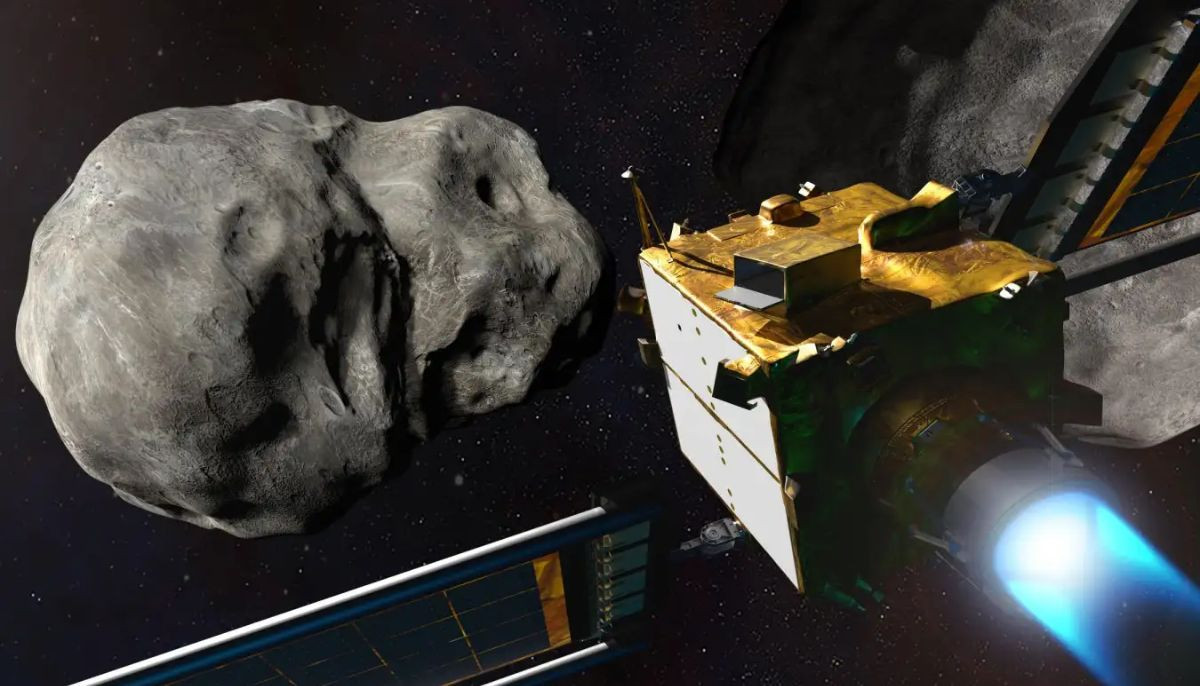
A surprising discovery has been revealed by NASA’s DART (Double Asteroid Redirection Test), which aimed to have a significant impact on the asteroid’s moon Dimorphos. The mission did more than just transform Dimorphos’ movement around its larger companion; the crash also shifted the orbits of both asteroids around the sun. According to details published in the magazine Scientific progressObservations of the pair’s motion showed that the 770-day orbital period around the sun changed by a fraction after the deep impact.
Impact analysis: NASA’s DART hits Dimorphos
The impact blasted a large amount of debris into space, changing the shape of the asteroid, which is 600 feet wide. The debris carried its own momentum away from the asteroid, giving Dimorphous an explosive thrust. This phenomenon gives scientists an idea of the momentum improvement factor. The new research suggests that the momentum enhancement factor for DART’s impact was about two, underscoring that the ejected debris loss doubled the impact created by the spacecraft.
In this regard, the lead author of the study at the University of Illinois Urbana-Compaign said: “The change in the orbital velocity of the binary star system was about 11.7 per second, or 1.7 inches per hour.”
This intriguing study of the changes in Didymos’ motion also helped the researchers calculate the internal density structure of both asteroids. Dimorphos is slightly more dense than previously estimated, supporting the theory that it formed from rocky debris shed by a rapidly spinning Didymos.
The DART spacecraft was designed and operated by the Johns Hopkins Applied Physics Laboratory (APL) in Laurel, Maryland, on behalf of NASA’s Planetary Defense Coordination Office, which oversees the agency’s planetary defense efforts. Furthermore, this groundbreaking discovery comes from humanity’s first mission to move a celestial body internationally, providing a unique perspective for both the scientific community and the public.