NASA’s Artemis II mission is successfully rewriting the history books, marking the first time a manned spacecraft has traveled to the moon in more than 50 years. After a precision launch from Kennedy Space Center, the Orion capsule and its four-person crew are currently pushing the boundaries of human deep space exploration.
The mission reached its first major hurdle with the Translunar Injection (TLI) burn. The crucial 5 minutes and 49 seconds maneuver propelled the spacecraft out of Earth’s orbit and towards the moon’s surface. “America is back at work sending astronauts to the moon,” NASA officials declared after the successful burn. This time further than ever before.
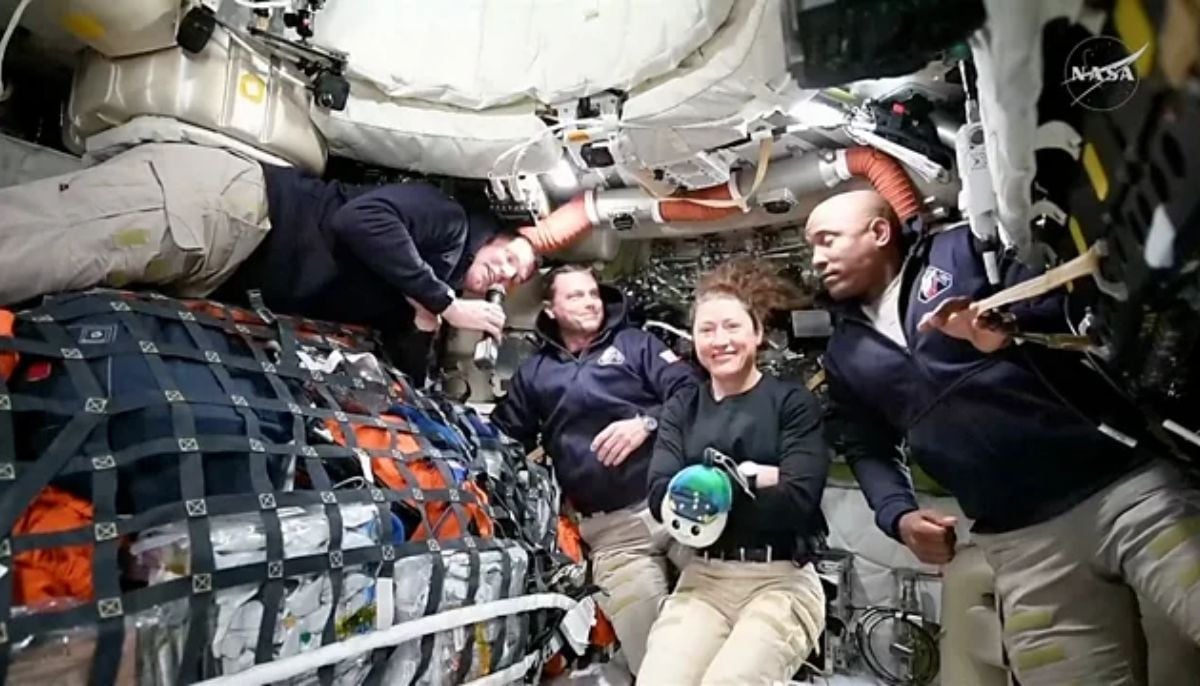
The Orion spacecraft launched its crew of four – Reid Wiseman, Victor Glover, Christina Koch and Canadian astronaut Jeremy Hansen – into orbit, beginning a journey that would push human exploration deeper into space than ever before. The astronauts are excited about their journey, with Hansen reporting that they are “feeling pretty good” as they watch the Earth shrink in the distance. Hensen makes history as the first non-American to travel to the moon.
Looking ahead: moon flight
As Orion approaches the moon, the crew prepares for a historic flight that will take them more than 250,000 miles from Earth. This trajectory is expected to set a new distance record for human spaceflight. This groundbreaking mission serves as an important testing ground for NASA’s long-term goals; Once the 10-day journey ends with a landing in the Pacific Ocean, the data collected will pave the way for a permanent human presence on the moon and future manned missions to Mars.