After traveling further from Earth than any human in more than five decades, the Artemis II crew is now on its way home, with crucial data, images and first-hand observations from the far side of the moon.
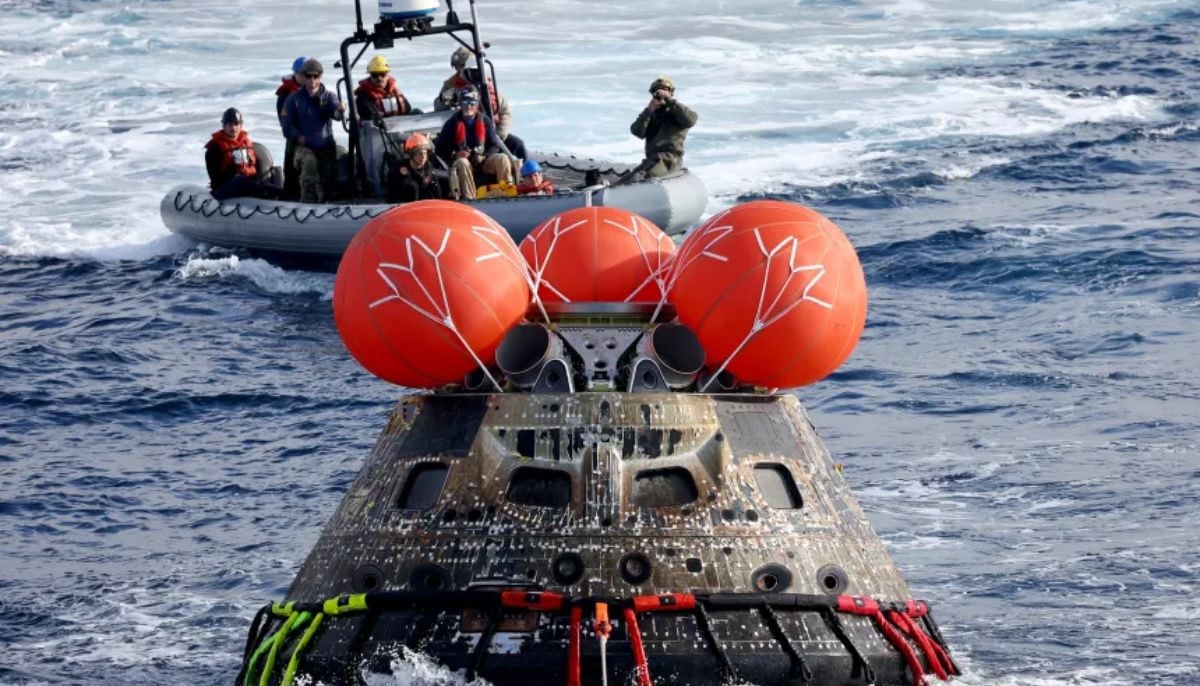
NASA carried out the mission by sending four astronauts into space aboard the Orion spacecraft, which successfully performed a lunar flight around the moon and is expected to return to Earth on Friday evening by landing in the San Diego area.
From the Orion spacecraft, NASA pilot Victor Glover said the team is eager to share what they experienced. He emphasized that while some data has already been sent, “all the good things” will return with them, including images and scientific findings from the Artemis II mission.
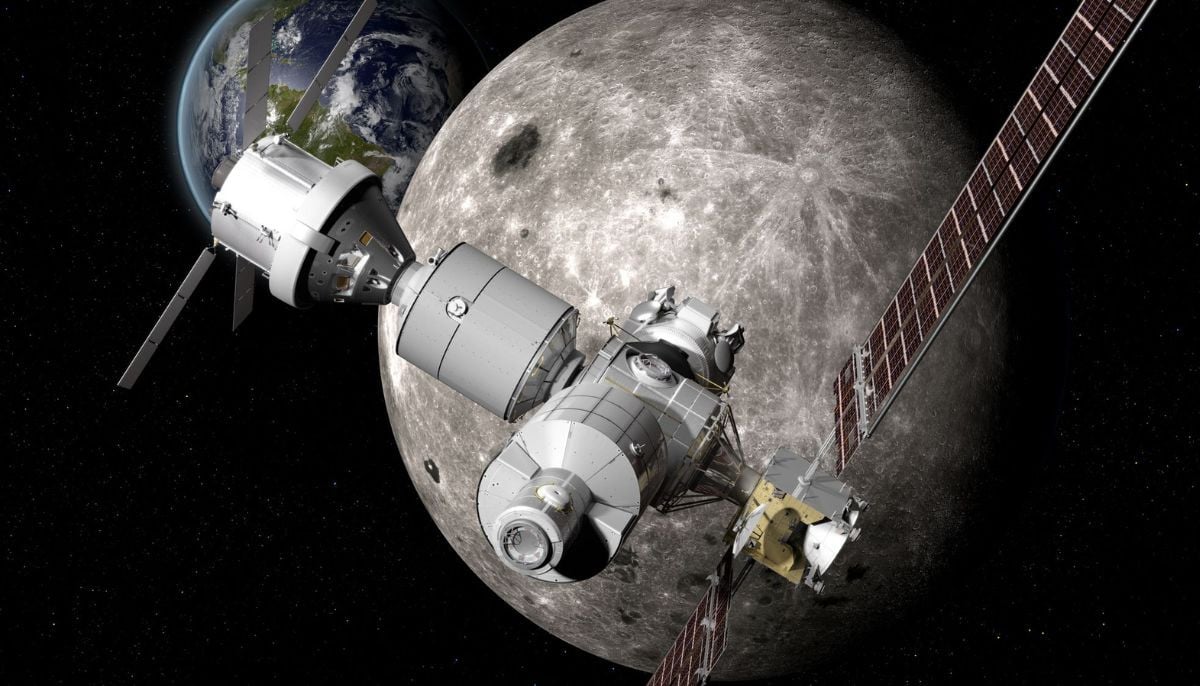
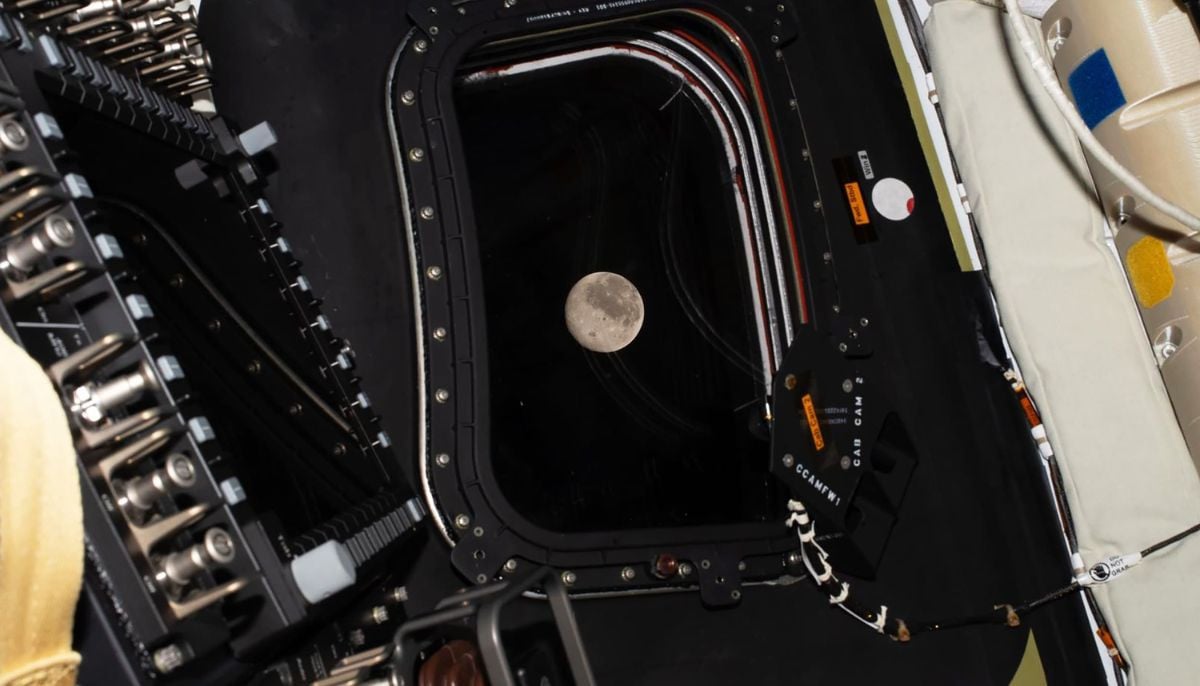
The spacecraft set a new record for human space travel distance, exceeding the distance achieved during Apollo 13. Artemis II became the first mission to circumnavigate the far side of the moon, allowing astronauts to see areas never before seen by humans.
NASA Commander Reid Wiseman described a period of “profound loneliness” during which contact with Earth was lost for 40 minutes. The crew members used the time to observe scientific phenomena and also took time for personal contemplation.
The crew dedicated a moon crater name in honor of Wiseman’s late wife, resulting in their most emotional moment. Meanwhile, another astronaut, Christina Koch, added that she would miss the bond created between the spacecraft crew members, noting that it was one of the best things about the mission.
The Artemis II mission ends with a quick return to Earth when the Orion spacecraft enters Earth’s atmosphere and lands in the Pacific Ocean.