The U.S. National Aeronautics and Space Administration (NASA) and the Korea AeroSpace Administration (KASA) have joined forces to expand their joint research into L4 and deep space exploration and space weather.
According to the South Korean Space Agency, the second KASA-NASA Bilateral Team Meeting for Deep Space Exploration will take place from March 24 to 27 at the Korea Astronomy and Space Science Institute.
In September 2024, both parties signed a cooperation agreement, with the aim of facilitating the exploration of Sun-Earth Lagrange point 4 (L4).
In the scientific community, Lagrange points ranging from L1 to L5 have received a lot of attention because the probe can stay in this region with relatively less fuel. At this point, the gravitational forces of the Sun and Earth and the orbital motion of a spacecraft remain in equilibrium.
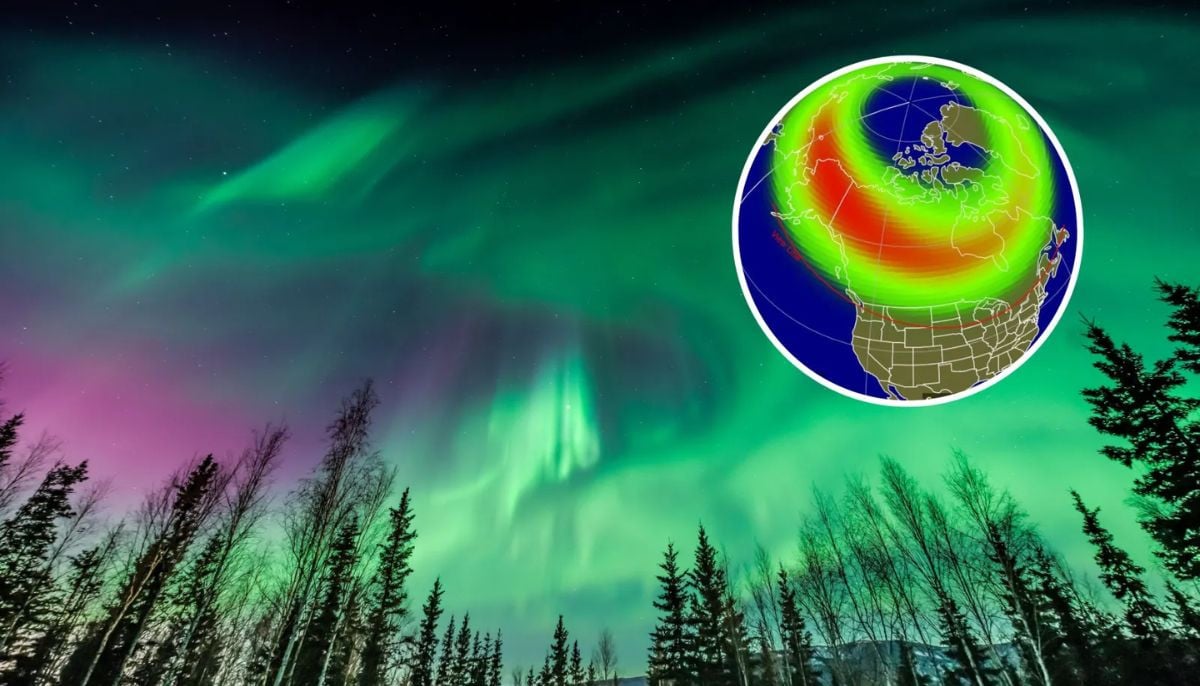
The researchers from NASA, ESA (European Space Agency) and KASA have proposed L4 as a suitable observation point for evaluating and predicting space radiation due to solar activity.
The multi-directional observations combined with existing observation points between the Sun and Earth (L1) and on the far side of the Earth (L5) can significantly improve the accuracy of space weather.
Noh Kyung-won, Deputy Administrator of KASA, said: “Since the launch of KASA, Korea-US cooperation in deep space exploration has rapidly expanded from the L4 mission concept to areas such as deep space optical communications. We will use this meeting as an opportunity to devise multi-faceted support measures so that researchers from both countries can gradually promote a broad program of joint deep space exploration.”
Major areas of deep space exploration
The joint mission will focus on space weather, space radiation and space optical communications, along with a long-term plan to establish the L4 heliospheric observatory and its space weather observation payloads.