A new study has challenged the long-standing view that post-traumatic stress disorder (PTSD) is an anxiety-based disorder.
A new study finds that 68% of trauma-exposed individuals report that emotional pain (guilt, shame, sadness, loss of joy) hinders their daily functioning more than fear.
The findings from this research in Biological Psychiatrypublished by Elsevier, highlights the need to broaden PTSD models beyond anxiety and reevaluate treatment pathways accordingly.
PTSD affects about 8% of people and is often accompanied by depression and anxiety. The DSM-5 defines PTSD based on twenty symptoms, including intrusion, avoidance, negative mood and cognition, and hyper-arousal.
In this study in two independent samples, researchers identified two different PTSD profiles: one focused on anxiety (flashbacks and hyper-arousal symptoms), and another on emotional pain (symptoms of guilt, shame, anhedonia).
“For some, trauma causes not only fear but also a moral or existential wound, shattering beliefs about themselves, others, or the world; for others, it deepens pre-existing negative schemas, reinforcing feelings of guilt, shame, or worthlessness. These internalized and meaningful responses often give rise to persistent emotional pain,” said Ziv Ben-Zion, PhD, first author, Yale School of Medicine, VA Connecticut Healthcare System and University of Haifa.
Senior investigator Ilan Harpaz-Rotem, PhD, Yale School of Medicine, Yale University and VA Connecticut Healthcare System, added: “For years, basic science, including the research done in our lab at Yale, has focused on fear learning and safety updating, with minimal attention to the toll of other negative emotions associated with PTSD. We began to think that fear and emotional pain may be caused by two different biological systems that play a critical role in defining how pharmacological and psychological treatments for PTSD can be tailor-made.”
John Krystal, MD, editor of Biological Psychiatry, noted, “One of the most challenging aspects of mental health care is simply and accurately characterizing the actual emotional symptoms associated with psychiatric disorders. People may use different words to describe the same experience, and they may apply the same descriptor to different experiences. Neuroimaging may provide a strategy to help untangle this state of affairs.”
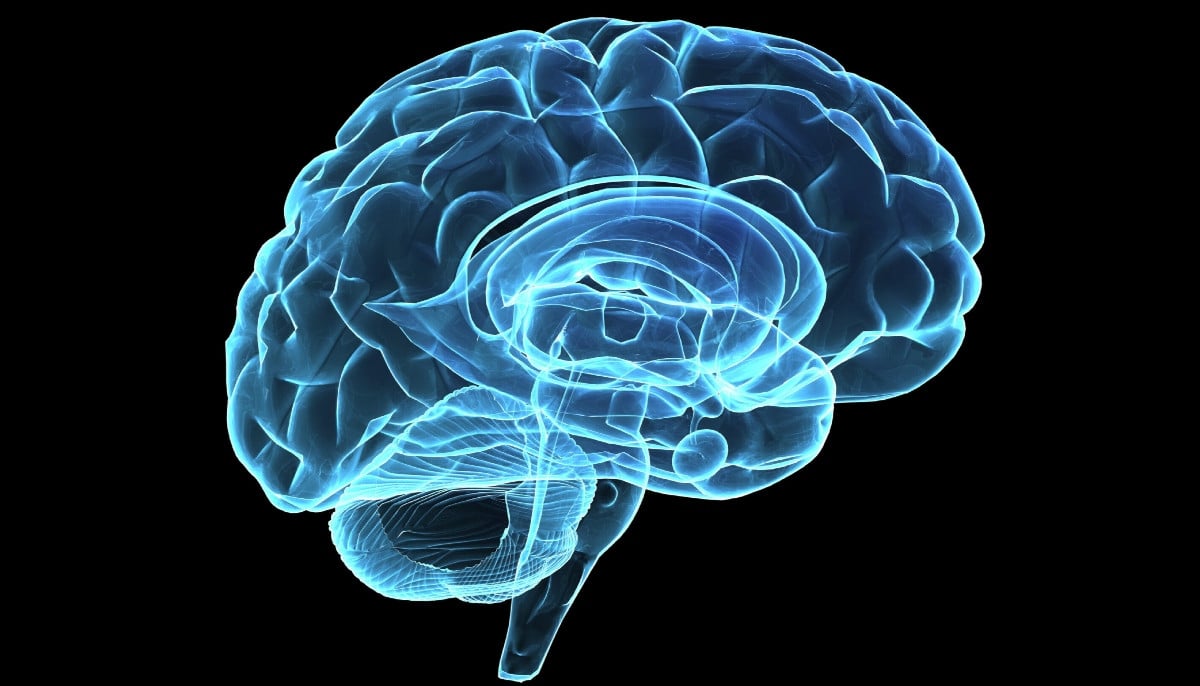
Dr. Krystal continued, “This study identifies several emotional symptoms associated with PTSD: anxiety and emotional pain. These two experiences are represented by different circuits in the brain, and they are differentially associated with other PTSD symptoms. Anxiety was associated with increased arousal, nightmares, and intrusive trauma memories, while emotional pain was associated with depression-like symptoms and insomnia.”
“Rather than propose a new diagnostic category, our goal is to sharpen the clinical understanding of PTSD by identifying the emotional lens of fear or emotional pain through which trauma is most acutely experienced,” explains Dr. Harpaz-Rotem away.
“PTSD is not a single emotional experience. Our goal was to put the patient’s subjective emotional reality at the center of the scientific discussion. Recognizing which emotional system is causing a person’s distress can open the door to more precise and compassionate treatment,” concluded Dr. Ben Zion.