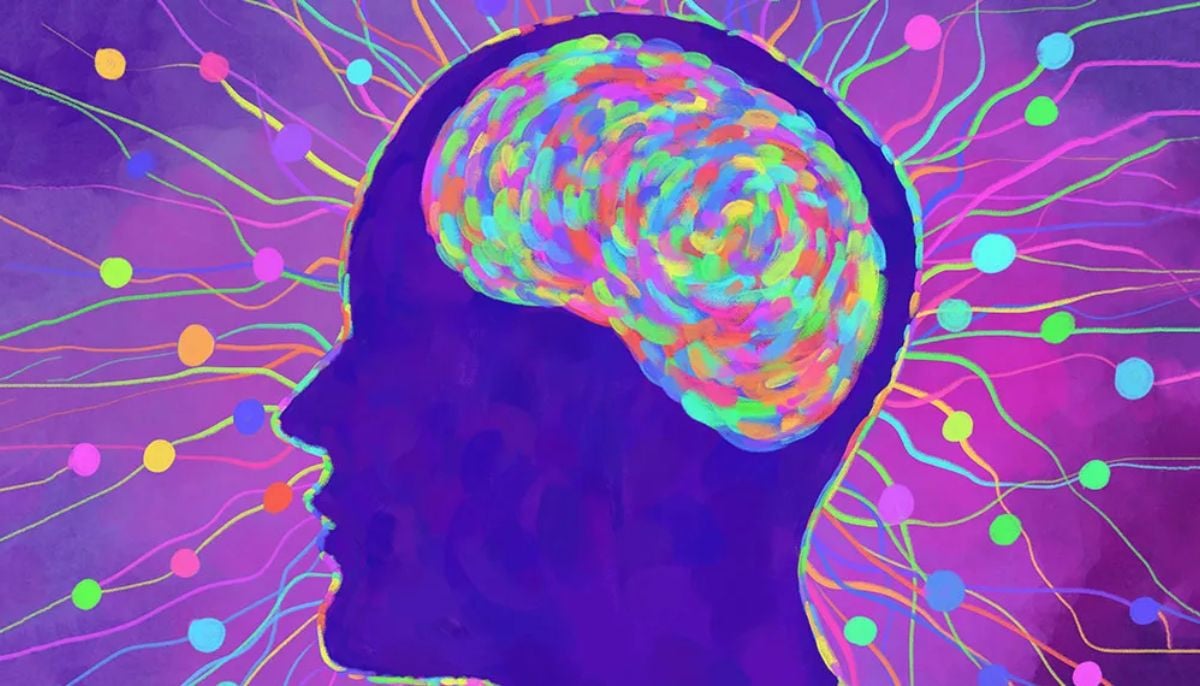
For decades, people have known about the five traditional senses famously described by Aristotle. However, a new study has cast doubt on this long-held idea, claiming that humans could have 22 to 33 senses.
According to the research, people experience multisensory input even during daily routines, revealing a much more complex and interconnected sensory world.
According to the observations of researchers, senses do not work separately, but in fact merge into a unified perception of the world.
How senses interact with each other
It is known that senses influence each other, such as what people see, feel, hear and smell changes the overall perception. For example, through smell and texture, people can imagine or perceive different characteristics of products.
Senses that go beyond the traditional five
According to Professor Charles Spence of the Crossmodal Laboratory in Oxford, other senses include proprioception, interoception, vestibular system and agency and ownership.
Proprioception: It gives awareness of body position
Interception: Sensing internal physical changes, such as hunger or heart rate.
Vestibular system: The sense of balance, managed by the ear canals. It can affect visual perception, such as what airplane cabins look like during takeoff.
Agency and ownership: The feeling that your body parts are yours and that you are the one who moves them.
The study also states that taste comes from taste, touch and smell, and not just taste. Likewise, gustation detects basic tastes, including sweet, salty, umami, bitter and sour. Smell contributes the majority of taste perception, mainly because odors travel from mouth to nose while eating.
Noise, such as airplane noise, can change taste perception, making umami-rich foods like tomato juice taste better on airplanes.