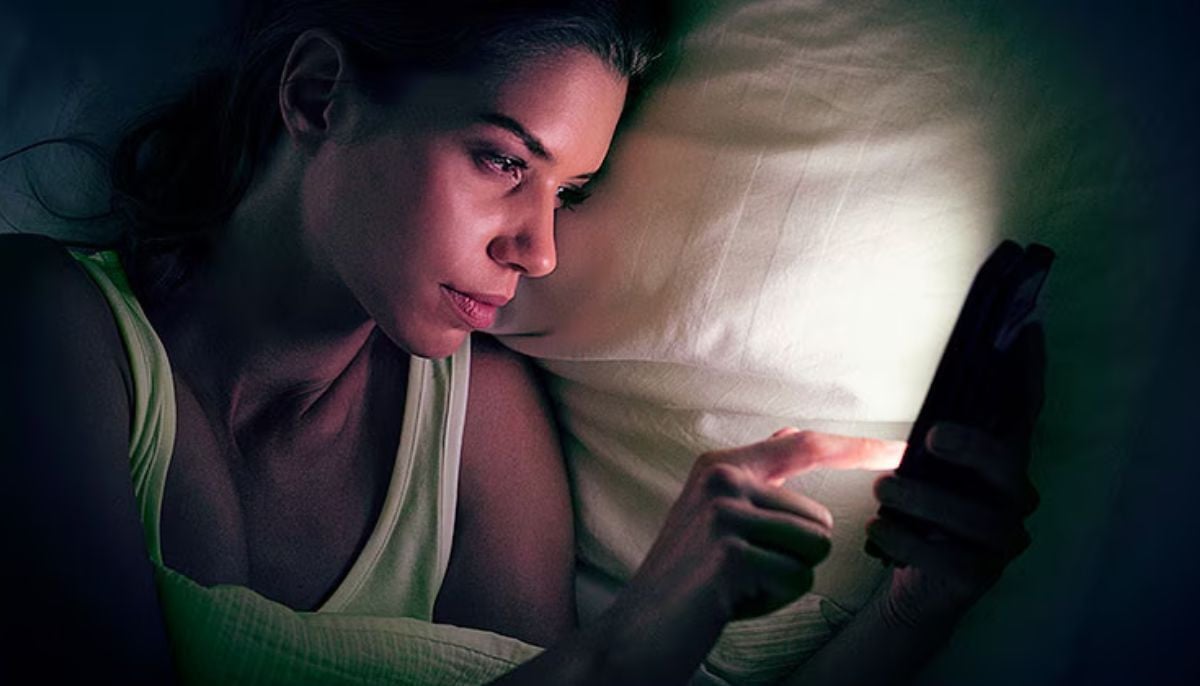
According to a new study, there appeared to be a link between exposure to low-intensity light at night and sensitivity to higher-intensity compact fluorescent lighting during the morning hours.
According to MedscapeSpecifically, the study shows that this light can increase cortisol levels during the day and shorten total sleep time in healthy individuals, replicating the findings in patients with depression.
An intriguing procedure was performed involving several participants
20 healthy participants (mean age 24.5 years; 50% women) were randomly assigned to low-light radiant exposure (2700 K, 55 lux, 12 melanopic lux) in the study.
On the contrary, in 2011, higher intensity fluorescent lighting was used for six mornings for six mornings.
Sleep variables were measured to determine cortisol and melatonin levels. The survey was completed by participants and scale ratings were used to access sleepiness and depression.
Main conclusions from the research
- The low-intensity fluorescent lighting during the midday hours was associated with significantly increased cortisol levels in urine in the evening (P = 0.004) and corticosteroid saliva in the afternoon (P = 0.03) compared to exposure to higher intensity fluorescent lighting.
- Second, low-intensity lighting was observed to be directly associated with a 25-minute reduction from baseline (P=0.02) and a significant shift in slow wave activity to later in the night (P=0.02).
- High-intensity fluorescent lighting was associated with increased REM sleep duration in the second half of the night compared to baseline (P=0.2) and a significant shift in delta waves to later in the night (P=0.02).
- Participants were subdued and reported significantly higher subjective sleepiness and sadness, as there were no substantial differences in melatonin levels between the groups.
In this regard, researchers said: “Integrating natural daylight or bright artificial light in schools, workplaces and homes could improve this vulnerability.”
Limitations of the study
The study had a small sample size and limited statistical power. The researchers had no control over the lighting environment outside the laboratory.
Further urinary cortisol and melatonin levels did not provide accurate results because they could not be corrected for creatinine levels, although volume was measured.
The research concludes that darkness is an essential biological requirement for optimal health, and even at low intensity it results in endocrine disruption, undermining the stability needed to maintain a stable mood.