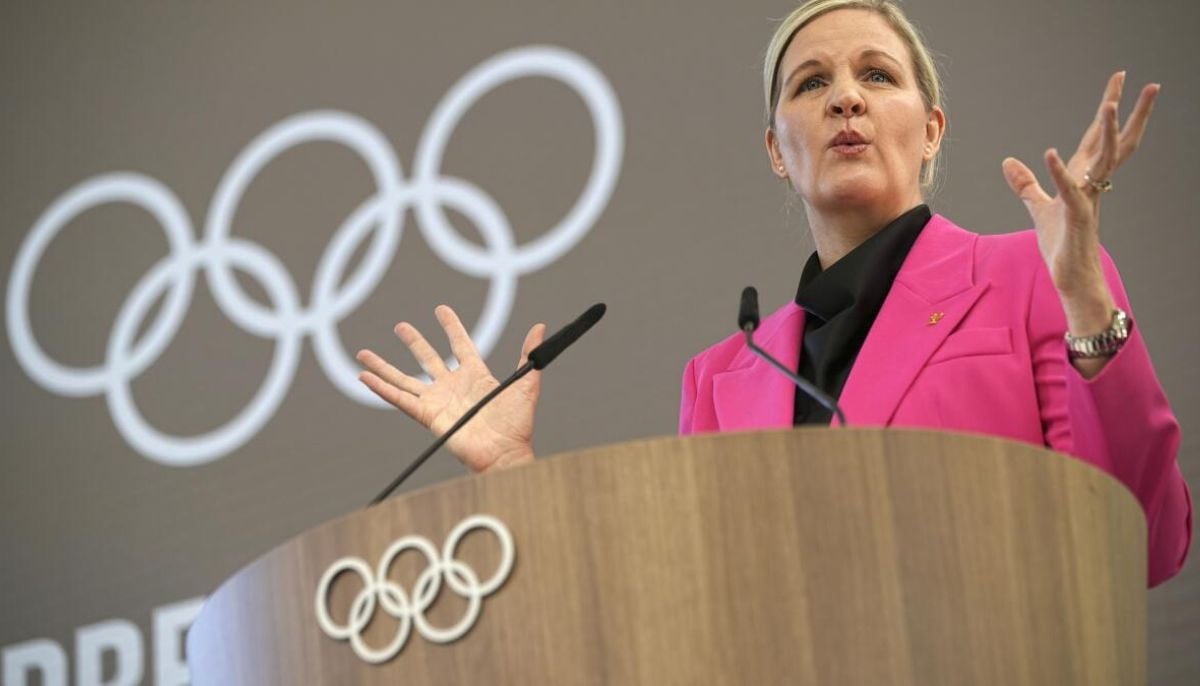
In a recent controversial move, the International Olympic Committee (IOC) banned transgender athletes and athletes with differences in sex development (DSD) from participating in women’s sports.
In the wake of the unwarranted ban, human rights experts and scientific groups have labeled the IOC’s new gender eligibility guidelines as a “blunt and discriminatory response that is not supported by science and is in violation of international human rights law.”
According to the IOC, the newly issued guidelines make genetic gender testing mandatory for all athletes competing in the women’s categories.
Since the IOC abolished mandatory sex tests in 1999, athletes in these categories have been allowed to compete in Olympic events. However, this practice, criticized as arbitrary, inaccurate, costly and discriminatory, has been reversed under the leadership of President Kristy Coventry.
This shift marks a significant departure from the organization’s 2021 Fairness, Inclusion and Non-Discrimination Framework.
According to Professor Paula Gerber, an international human rights lawyer at Monash University, “Mandating genetic sex testing and rigid biological criteria as a condition for entry into the women’s category violates fundamental and universal human rights… including the rights to equality, non-discrimination, dignity, privacy and bodily autonomy.”
Furthermore, binary definitions of sex are also responsible for reinforcing discriminatory stereotypes and harming progress toward gender equality, Gerber added.
Dr. Ada Cheung, professor of endocrinology at the University of Melbourne, said: “The IOC’s move to make sex testing mandatory for the female category risks undermining both evidence-based policy and athlete welfare, while diverting attention from the real priorities in women’s sport.”
Nikki Dryden, a human rights lawyer and former Olympic swimmer, also called the decision unfair because it will impact every girl playing Australian sport today. Unfortunately, the policy reversal will create a pathetic culture where every parent or coach will be subjected to unreasonable questions about female bodies.
Ian Chesterman, president of the Australian Olympic Committee, said he supported the new guidelines, stating: “This is undoubtedly a challenging and complex topic and at the AOC we approach it with empathy and understanding.”