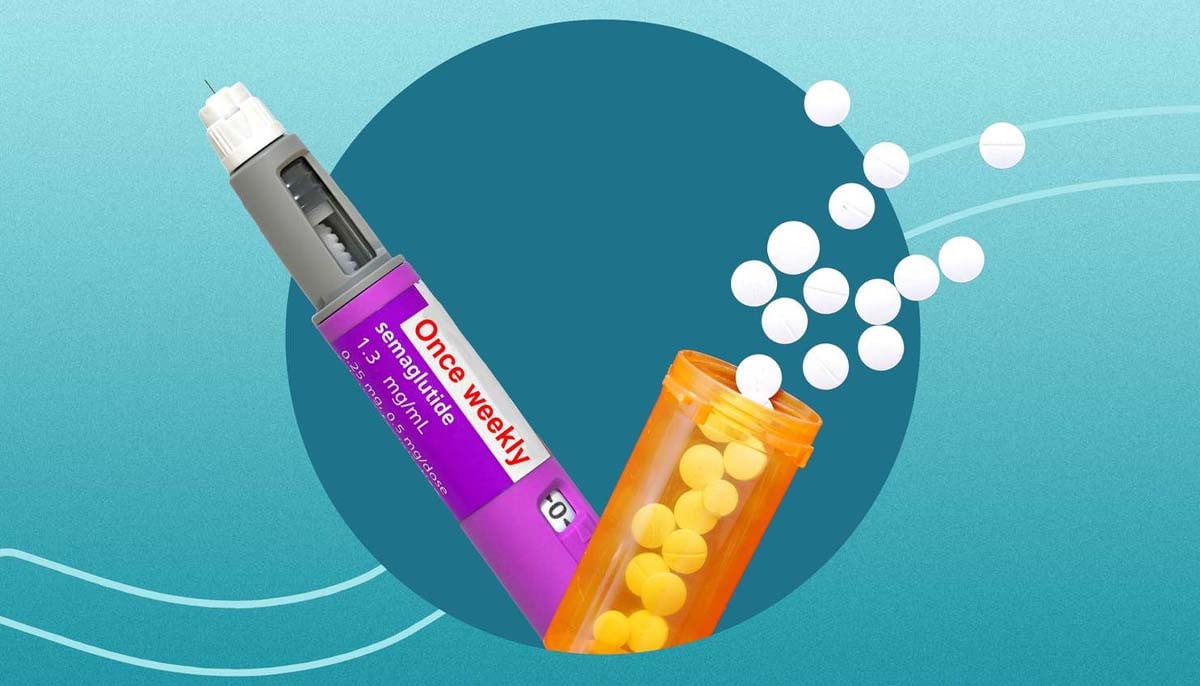
Did you know that weight loss medications may have the potential to cure the habit of substance abuse?
This is evident from a recent study published in the journal Frontiers in pharmacology, researchers investigated the potential role of glucagon-like peptide-1 (GLP-1) receptor agonists (RAs) in the treatment of substance use disorders (SUDs).
SUDs are a public health problem characterized by limited therapeutic efficacy and high relapse rates.
GLP-1 RAs, originally developed for type 2 diabetes (T2D) and obesity, have shown promise for treating addiction.
In addition to their appetite-suppressing and glucose-lowering effects, GLP-1 RAs induce neuroprotective and anti-inflammatory actions in the central nervous system and gut-related immune-inflammatory signaling via GLP-1 receptors.
In the current study, researchers systematically assessed the therapeutic potential of GLP-1 RAs in addiction treatment.
First, an extensive search was conducted throughout the region Web of Science, Scopus, PubMed, Cochrane Central Register, Embase, And PsycINFO databases to identify randomized controlled trials (RCTs), preclinical studies, and clinical trials with control groups.
The search strategy yielded 2,869 records. Of these, 41 studies met inclusion criteria through database searching, and one additional eligible clinical study was identified through manual reference tracking, for a total of 42 included studies.
Six were clinical studies, including pilot studies, secondary analyzes and RCTs, and the remainder were preclinical studies, mainly involving rodents.
Studies assessed a wide range of outcomes, including neurobiological, clinical and behavioral domains. Neurobiological outcomes include changes in dopaminergic signaling, neuroinflammatory markers, circulating insulin and GLP-1 levels, and activation of reward-related brain regions.
The study provided a comprehensive review of the evidence on the use of GLP-1 RA in the treatment of substance use disorders. Preclinical studies consistently support the efficacy of GLP-1 RAs in multiple addictions, while clinical studies suggest potential benefits, especially in nicotine and alcohol use disorders.