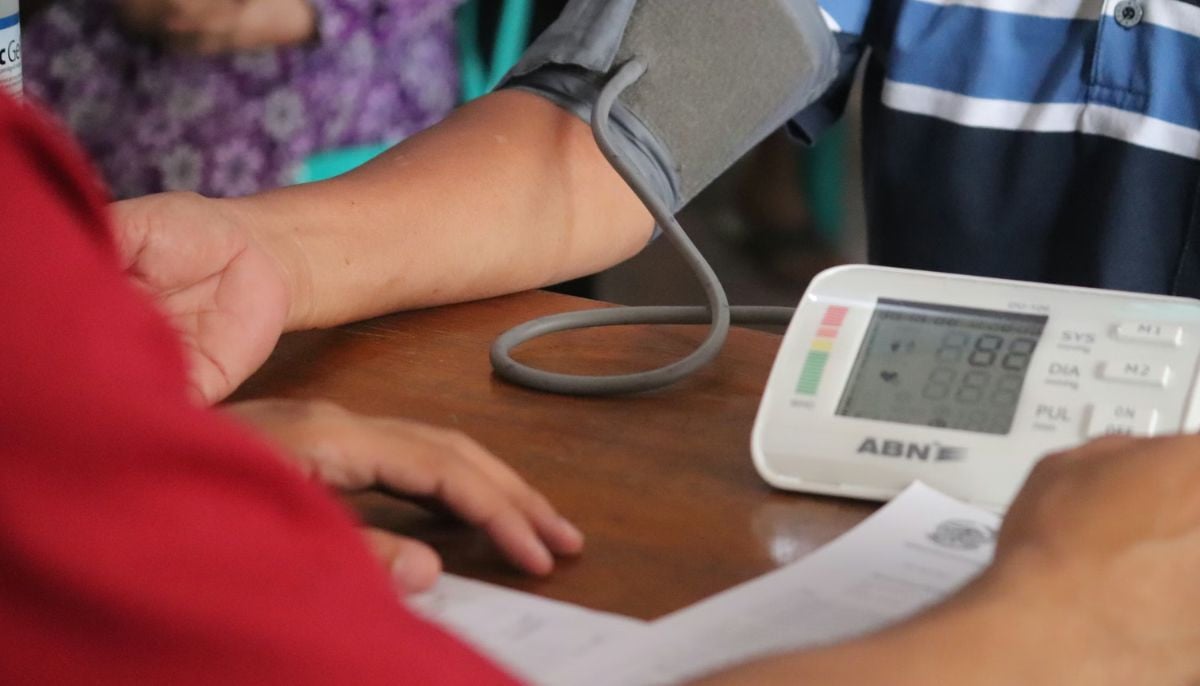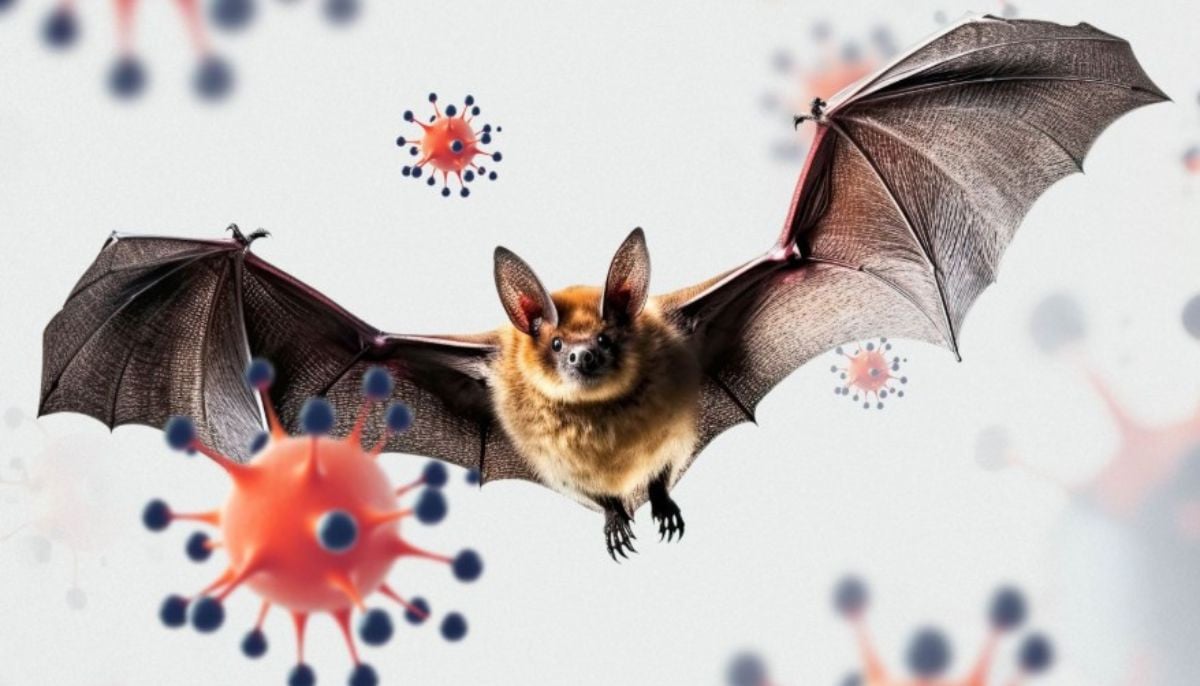
Scientists have identified a new strange virus infecting humans that is similar to Nipah but different from the specific type.
A team of researchers in Bangladesh has identified a bat-borne virus, also known as Pteropine orthoreovirus (PRV), in patients who were initially suspected of having Nipah virus but tested negative.
Researchers said all infected patients had recently consumed raw date palm sap, a known route for bat-related infections.
Genetic analysis also confirmed live virus in several samples, indicating an active human infection.
The finding raises concerns that dangerous bat viruses could circulate undetected.
How was the bat-borne virus identified?
Researchers at Columbia University’s Mailman School of Public Health, who study infectious diseases, have discovered a bat-borne virus in stored throat swabs and virus cultures from five patients in Bangladesh.
These individuals were originally suspected of having a Nipah virus infection, but later tested negative.
The finding of sites of bat virus occurrence among the growing number of animal-to-human viruses identified in the country indicates that this should be taken into account when assessing Nipah-like diseases.
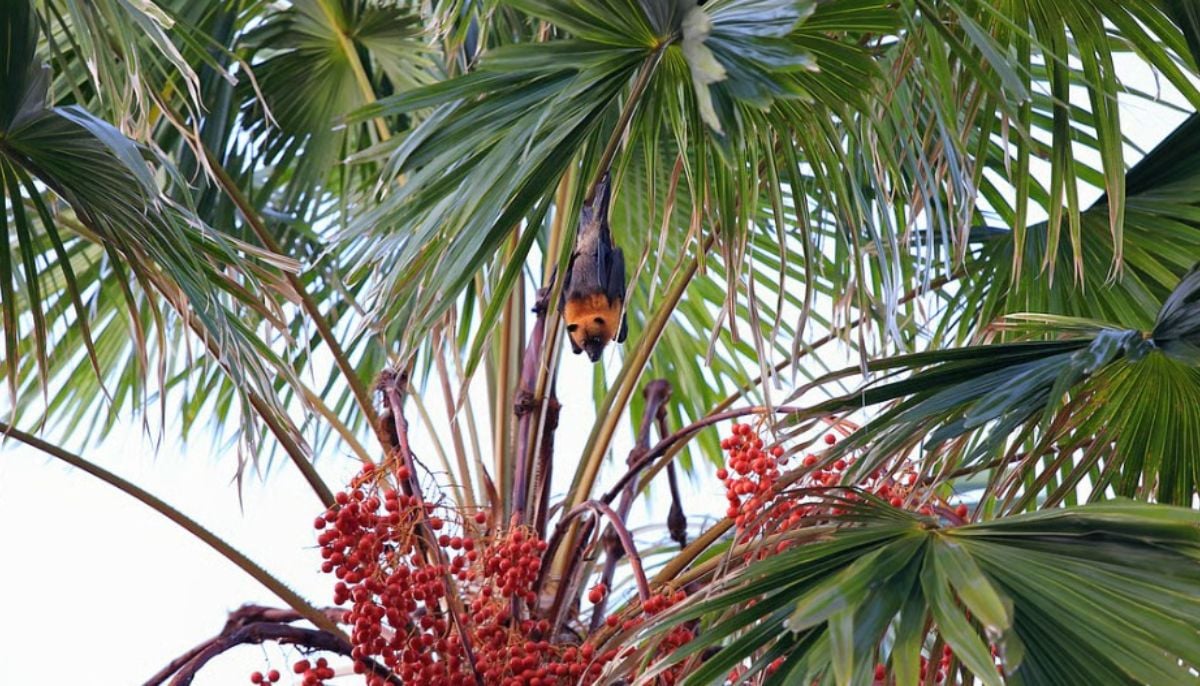
How was the bat virus transmitted?
All patients who had recently consumed raw date palm sap, a sweet liquid usually collected in winter and often visited by bats, became infected with the virus.
This sap is already known as a major route for Nipah virus transmission, as bats are recognized as natural hosts for many zoonotic viruses, including rabies, Nipah, Hendra, Marburg and SARS-CoV-1.
“Our findings demonstrate that the risk of disease associated with the consumption of raw date palm sap extends beyond Nipah virus,” said the study’s senior author Nischay Mishra of the Center for Infection and Immunity (CII), Columbia University Mailman School of Public Health.
Symptoms of the bat virus:
Between December 2022 and March 2023, the five patients were hospitalized with symptoms typical of Nipah virus infection, including fever, vomiting, headache, fatigue, increased salivation and neurological problems.
The patients were identified through a Nipah virus surveillance program jointly managed by the Institute of Epidemiology, Disease Control and Research (IEDCR), Bangladesh; the International Center for Diarrheal Disease Research, Bangladesh; and the US Centers for Disease Control and Prevention (CDC).
The research was originally published in the journal Emerging Infectious Diseases.
In addition, scientists believe that there are a large number of undetected cases of bat-like viruses that infect humans but remain undiagnosed at this time.