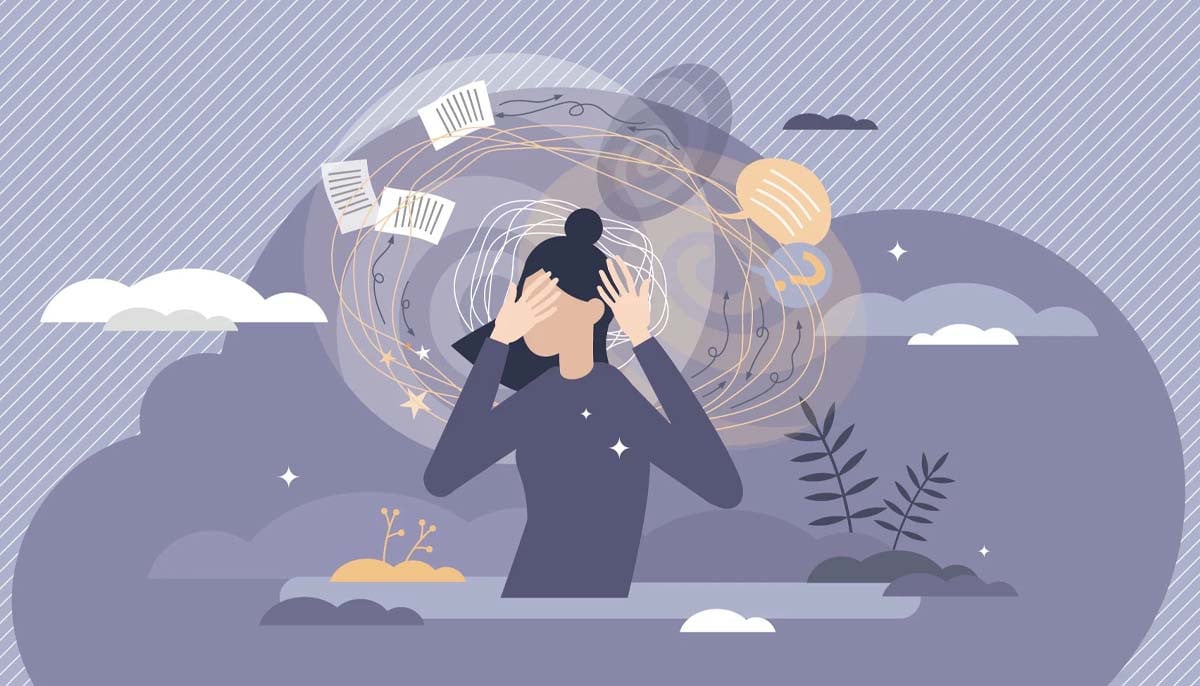
Anxiety is the second leading cause of disability and death worldwide, as it leads to many other problems such as depression and suicide.
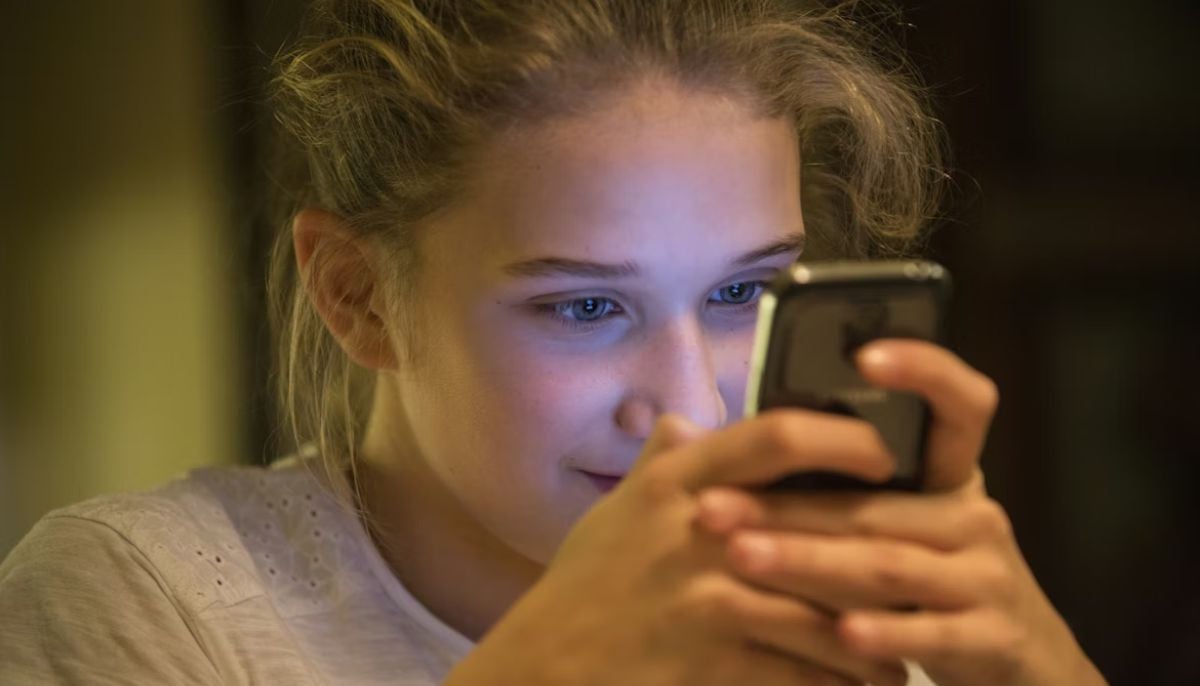
While social media can be a cause of anxiety, it can also be a possible solution. A researcher at the University of Arkansas recently found that young adults who receive emotional support on social media are significantly more likely to have reduced anxiety symptoms.
One of the findings of the study was that people high in openness to experience, high in extraversion, high in flexibility, and low in conscientiousness reported an increase in perceived emotional support on social media.
The study published in Psychiatry International, said: “Longitudinal studies show a link between social media use and anxiety,” adding: “However, the mechanism of this association in terms of emotional support is not fully understood. This new study addressed these important research questions and found strong and linear associations of reduced anxiety, especially among women.”
The national sample consisted of more than 2,403 American adults between the ages of 18 and 30, and their anxiety was measured using the Patient Reported Outcome Measurement Information System scale.
Emotional support was measured by asking participants how much support they receive on popular social media platforms, and personality was measured using the Big Five Inventory, which assesses openness, conscientiousness, extraversion, agreeableness, and neuroticism.
“The findings from this study have important social implications, given the increased prevalence of anxiety among young adults,” the researchers noted.
“We currently know that anxiety also increases the risk of stress-induced inflammation, sleep disruption, migraines, negative workplace culture, maladaptive perfectionism, low self-esteem and a negative impact on academic performance,” they further said.
“People thrive when they feel valued, supported, and part of a close-knit group,” said co-author Renae Merrill, lecturer at the University of Arkansas’ Fulbright College of Arts and Sciences, and Chunhua Cao, assistant professor at the University of Alabama’s College of Education.
“Becoming more emotionally aware in our interactions with others is essential. This means taking the time to truly understand what others are going through and providing as much positive, meaningful support as possible. Improving perception, communication and emotional awareness, both in person and on social media platforms, is an integral part of improving health and well-being,” the expert concluded.