Space-based solar energy (SBSP) is emerging as a promising frontier, helping the world achieve net-zero goals and revolutionizing the renewable energy sector.
Once considered a dystopian sci-fi concept from Isaac Asimov’s 1941 fiction, space-based solar energy is on track to become a potential reality by 2050 due to lower operating costs and the climate-driven urgency to phase out fossil fuels.
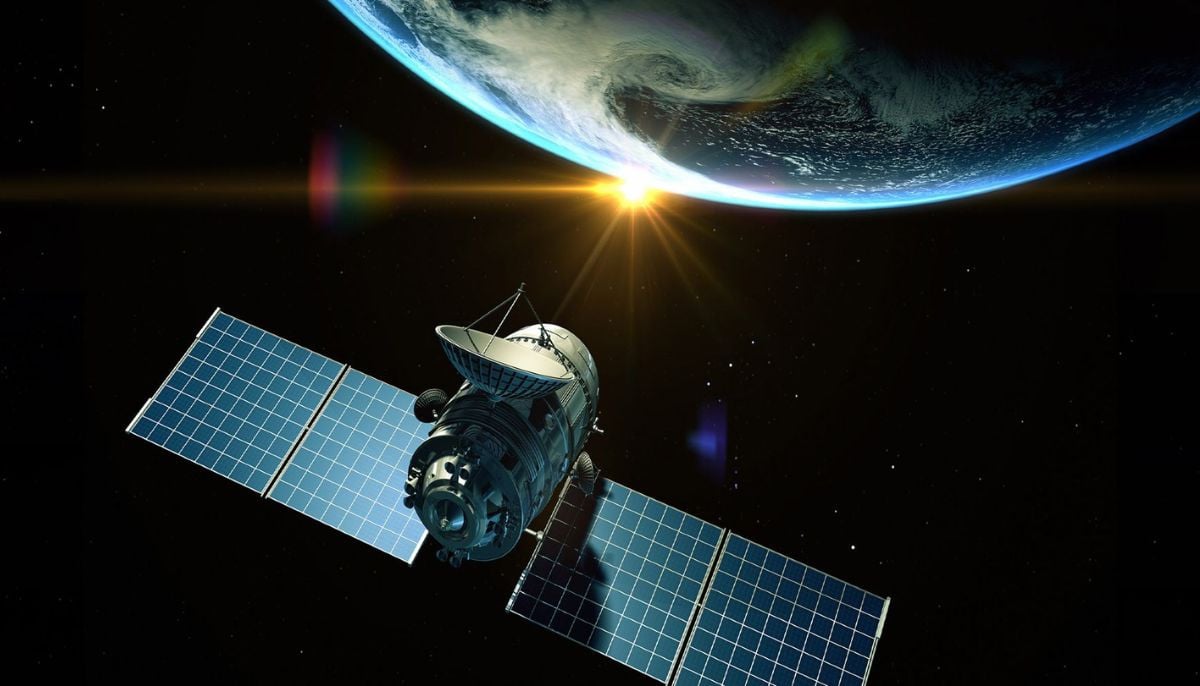
SBSP involves using massive satellite constellations in high Earth orbit to constantly capture sunlight and send it to Earth as electricity.
A new study commissioned by the UK Department for Energy Security and Net Zero (DESNZ) shows that small-scale SBSP has the potential to compete with other commercial energy sources as early as 2040, if connected to the electricity grid via existing infrastructure.
According to proponents, this could reduce Europe’s need for renewable energy sources by 80 percent by 2050.
Dr. Adam Law, a research fellow at Loughborough University’s Center for Renewable Energy Systems Technology (CREST), said: “SBSP can provide a dispatchable baseload of potentially unlimited power that avoids the problem of intermittent power caused by weather conditions and the aging electricity grid.”
“SBSP benefits from there being much more sunlight available in space – 1,367 W/m2 of continuous sunlight, compared to a maximum of 1,000 W/m2 at the equator and an average of around 100 W/m2 in Britain, and satellites in the right orbit almost always see the sun,” he added.
Despite reducing costs associated with the launch, setting up the SBSP systems would not be easy. The development of the first gigawatt-scale prototype is estimated to cost approximately €15.8 billion in research and development.
In addition to the high initial costs, SBSP systems also face technical and environmental challenges.
NASA warns that the SBSP system could increase the carbon footprint instead of reducing it. The emissions can be comparable to existing renewable energy sources.
The enormous size of the satellites will also increase the risk of orbital collisions, creating more space debris. The power beam is another borderline area to worry about. Experts claim that its intensity is low enough to be safe for humans and animals.
SBSP systems also pose serious security and geopolitical risks.
According to the experts. SBSP satellites can become ‘tempting targets’ for rival countries and cybercriminals.
According to Frazer-Nash, a consulting firm that released a report on SBSP’s security challenges: “Like other critical national infrastructure, it is a tempting target for cybercriminals, state-sponsored actors and hacktivists seeking to cause disruption or gain geopolitical advantage.”
Therefore, there is a need for built-in security and multinational cooperation to protect these infrastructures from hostile attacks.