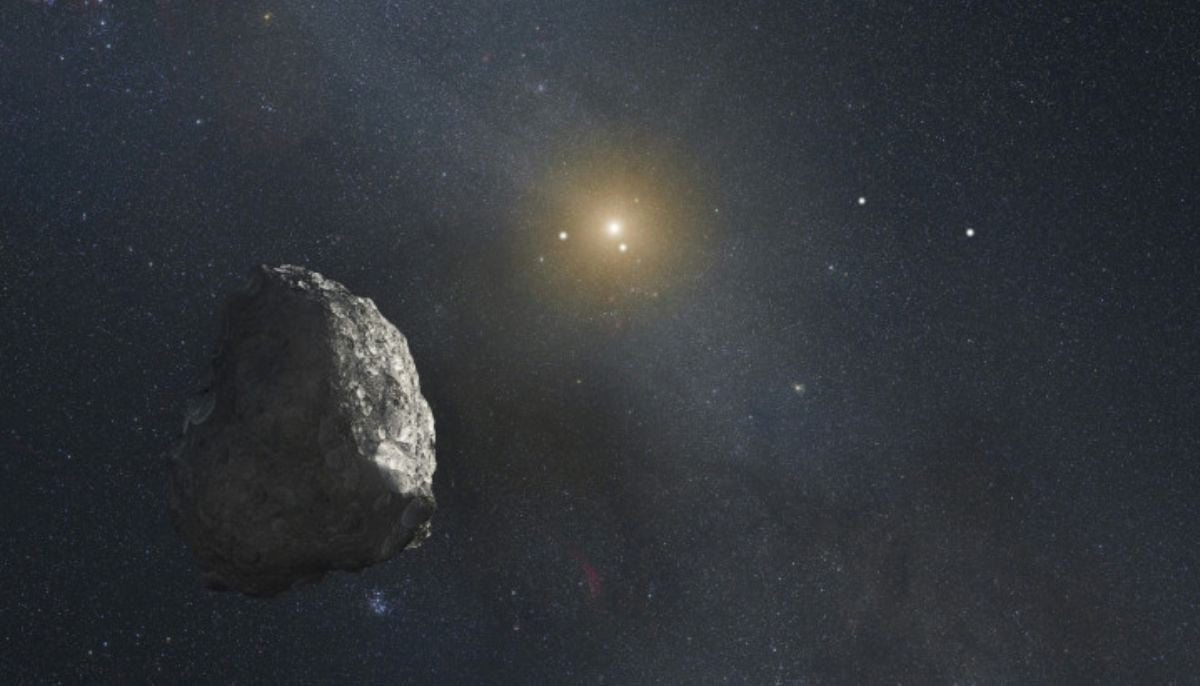
As 2026 unfolds, the discussion surrounding the 3I/ATLAS flyby and Jupiter’s 96th moon represents a theoretical debate as the interstellar visitor heads toward its final dramatic act before disappearing into the deep darkness of space.
It’s something potentially more profound than Harward’s professor Avi Loeb initially suspected. He pointed to a finely tuned coincidence: The comet’s trajectory – influenced by non-gravitational accelerations during its 2025 perihelion – appears perfectly aligned to hit the edge of Jupiter’s gravitational sphere.
Jupiter currently has 95 known moons; If a new 96th moon suddenly appears in a stable orbit after March 16, Loeb believes we will have discovered a clear technological signature of the interstellar visitor.
The comet is about to leave our system and will never return; In the meantime, scientists keep their telescopes trained on the gas giant.
Whether 3I/ATLAS leaves behind a scientific mystery or a new member of the Jovian family, its departure will mark the end of a historic visit that has challenged our understanding of the objects that floated among the stars.