Researchers in a recent study have identified alarming trends among adults who are increasingly dependent on substances as sleep aids.
According to data from the University of Michigan’s annual Monitoring the Future Panel Study, 22 percent of Americans between the ages of 19 and 30 used various substances, such as cannabis, alcohol, or both, to fall asleep.
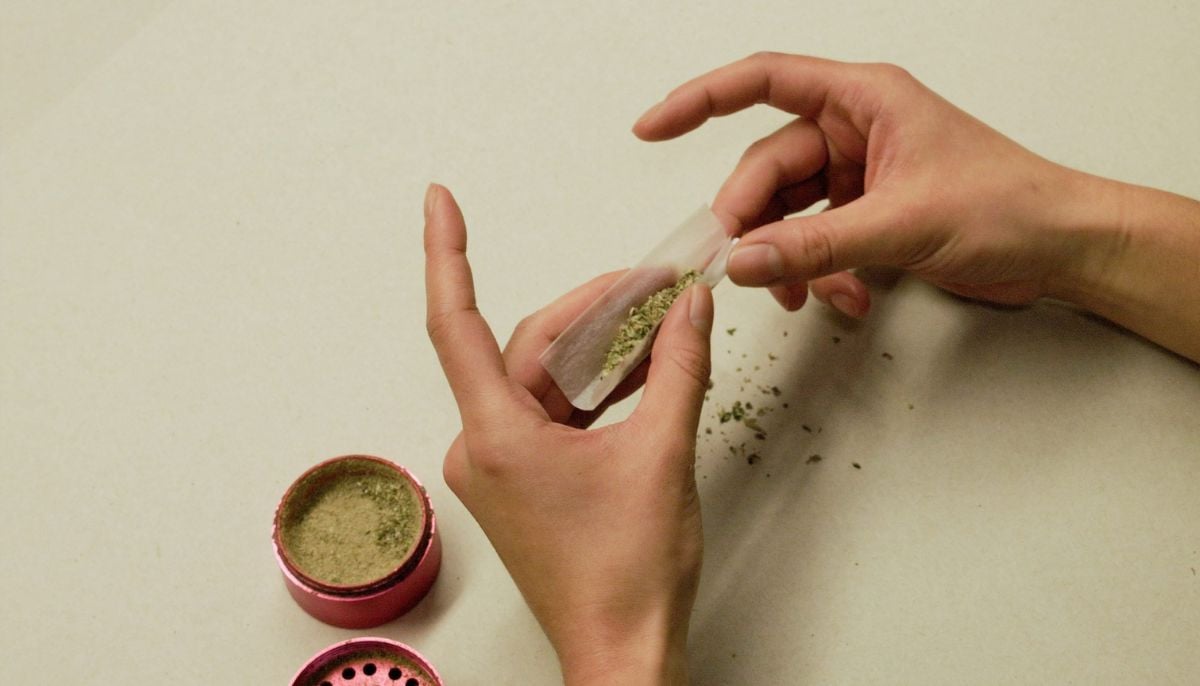
The study, funded by the National Institute on Drug Abuse and published in JAMA Pediatrics, found that of all substances, cannabis is the most popular choice among adults, as 18.3 percent of people use it to sleep, compared to 7.2 percent who used alcohol.
About 41 percent of respondents said cannabis helped them sleep well.
Compared to men, women are more likely to use cannabis for sleep purposes.
Harmful substances: disruptors of good sleep
Given the increasing use of cannabis among adults, researchers also warn that its use can disrupt quality sleep.
Megan Patrick, research professor at the Institute for Social Research and lead investigator of the MTF Panel Study, said: “Using these substances to get to sleep can be counterproductive because they can disrupt the ability to stay asleep and the quality of sleep.”
“They actually appear to disrupt long-term sleep. The fact that so many young adults report using cannabis to sleep is alarming,” she added.
In addition to worsening sleep quality, substance use also poses long-term health risks, including “rebound insomnia.”
Patrick has also dispelled the prevailing misconception about the beneficial role of substances in improving sleep patterns.
She emphasized, “Unfortunately, there is a misconception that substance use can be helpful for sleep problems, but can actually make things worse.”
“Young adults told us they use cannabis to help them sleep, but it can make their sleep problems worse. They need to know the potential risks,” she added.