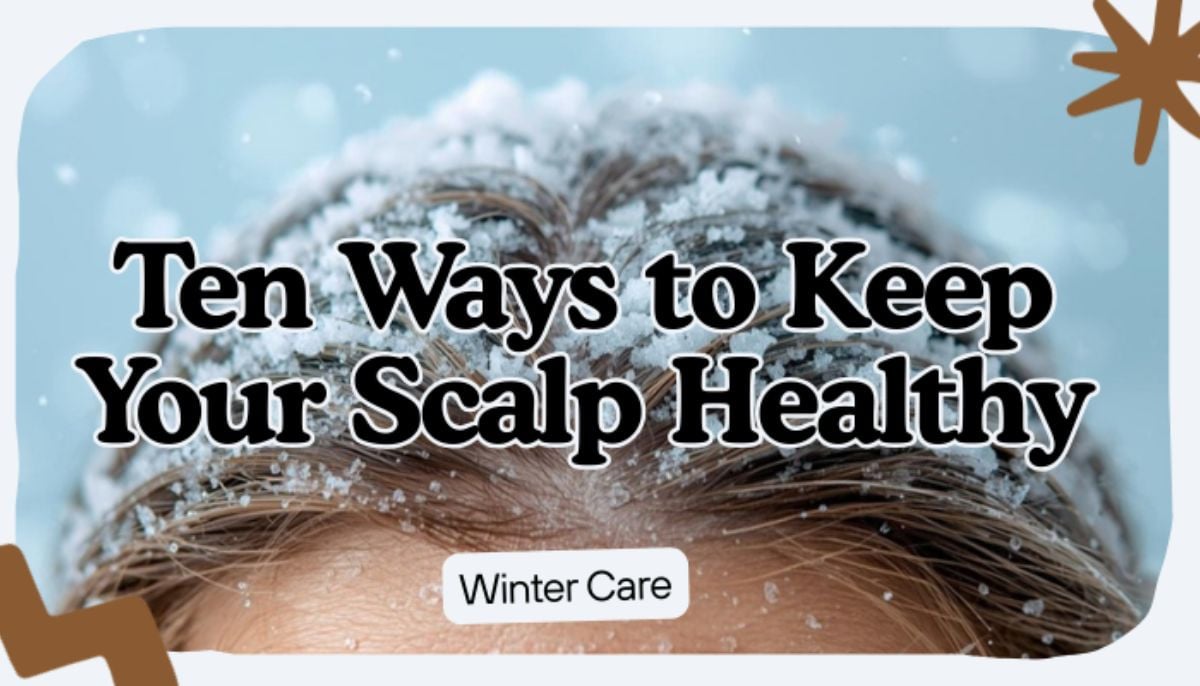
When winter arrives, dry, cold weather not only wreaks havoc on the skin; the scalp is also severely affected mainly due to dry weather, low hydration, constant use of itchy winter hats and various other factors. Many moisturize their skin with various types of moisturizers and creams, but the scalp is neglected and to keep it healthy all winter, certain measures must be taken. In this article you will find some useful tips to keep your scalp healthy during the colder months.
1. Hot oil treatment
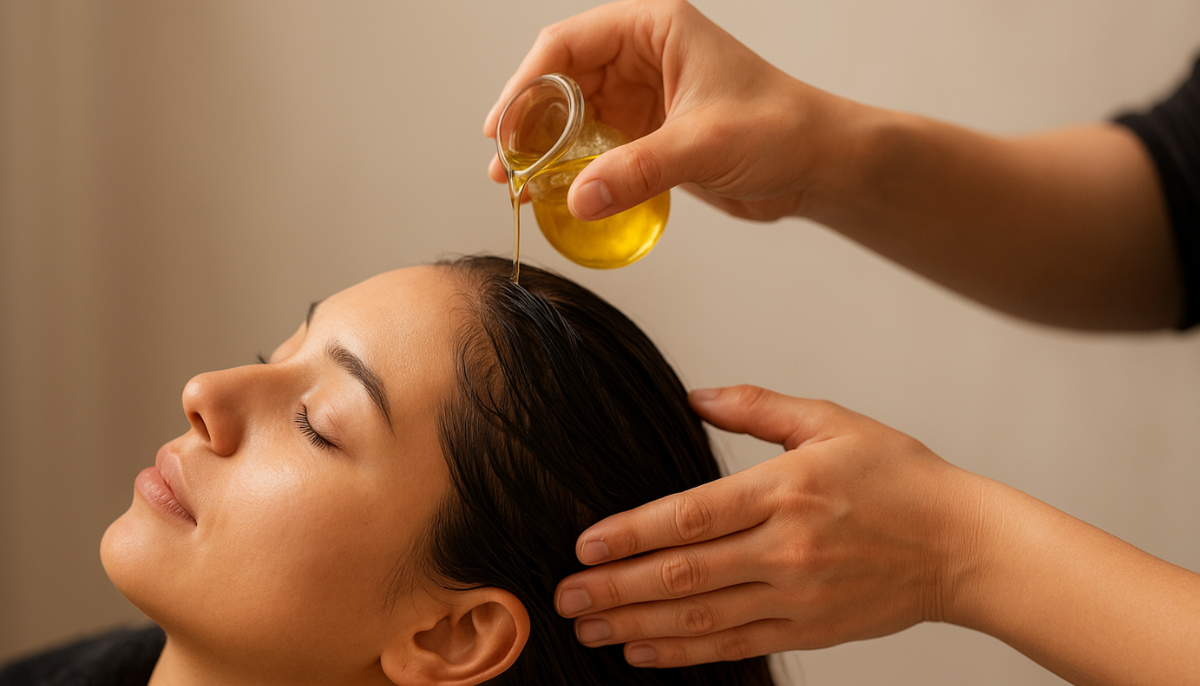
In this treatment, warm oils open the cuticles, enhancing absorption for deep nourishment and hydration. This age-old treatment strengthens the scalp by reducing dryness, frizz and breakage.
2. Scalp massage
_updates.jpg)
With increased blood flow, this method nourishes the follicles, combats dryness and prevents dandruff. It also provides stress relief and produces shinier, healthier roots.
3. Peeling
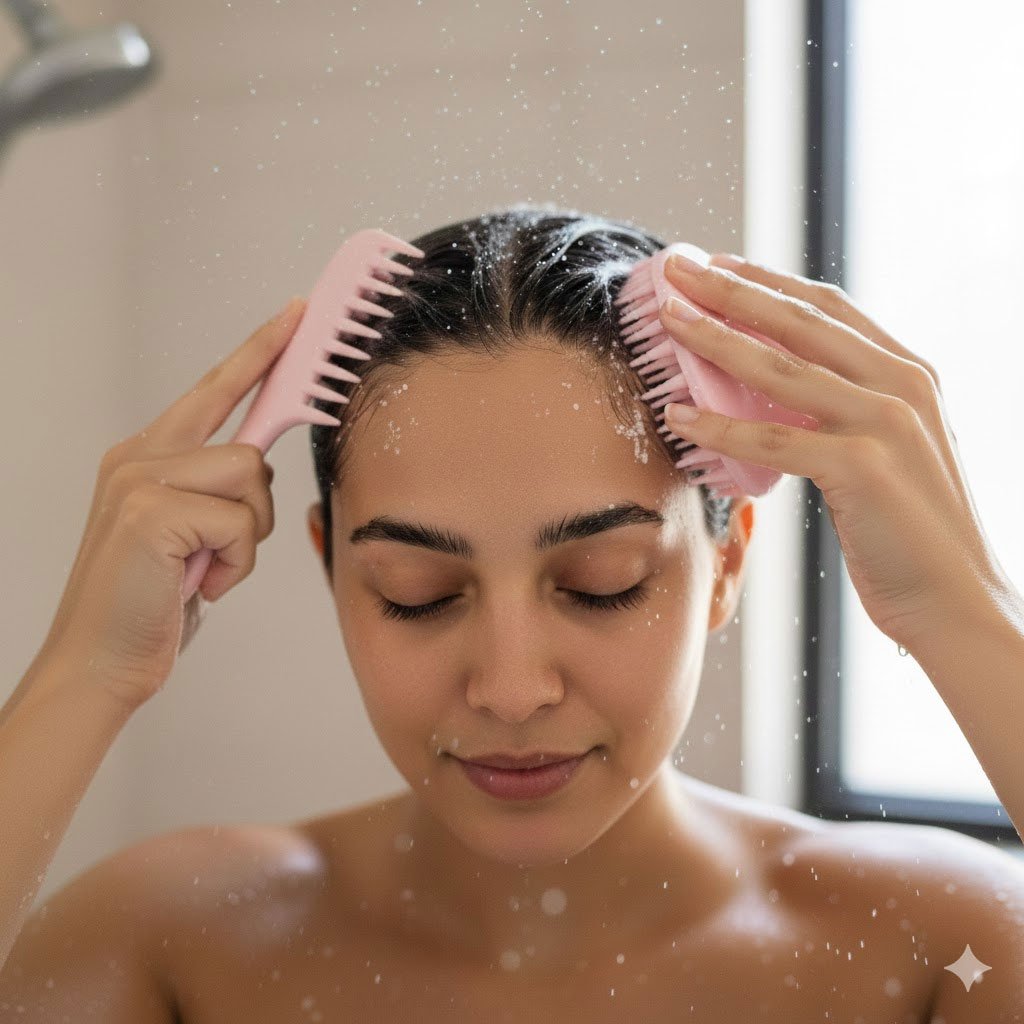
This process helps remove the build-up of excess oil, styling products, sweat and dead skin cells that clog the hair follicles. It regulates oil production and provides relief from a dry, flaky and itchy scalp.
4. Avoid a hot shower
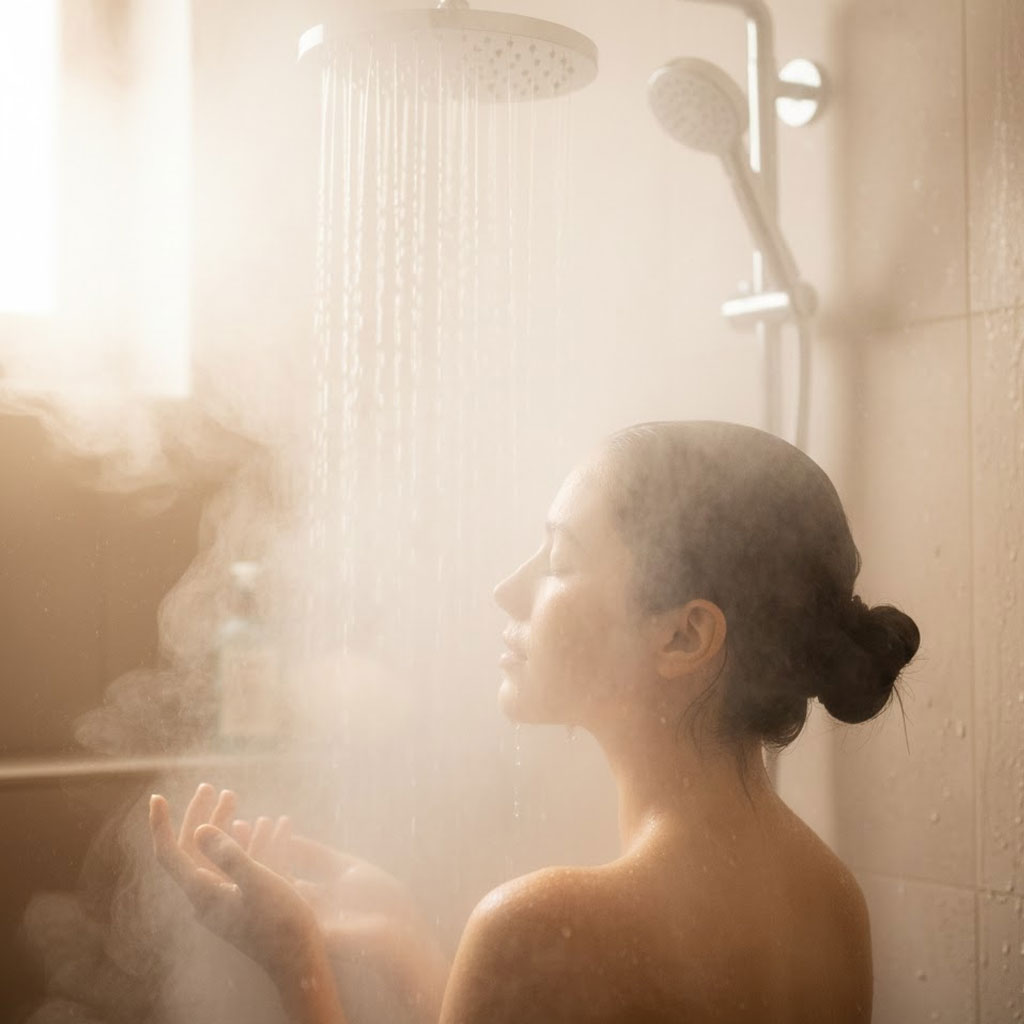
A hot shower damages the scalp, making it drier and more susceptible to irritation. Even if you long for a hot shower on a cold winter day, it is best to wash your hair with lukewarm water and moisturizing shampoos and conditioners. A good shampoo and conditioner work perfectly together to retain moisture, keeping the scalp healthy.
5. Using sulfate-free shampoos and conditioners
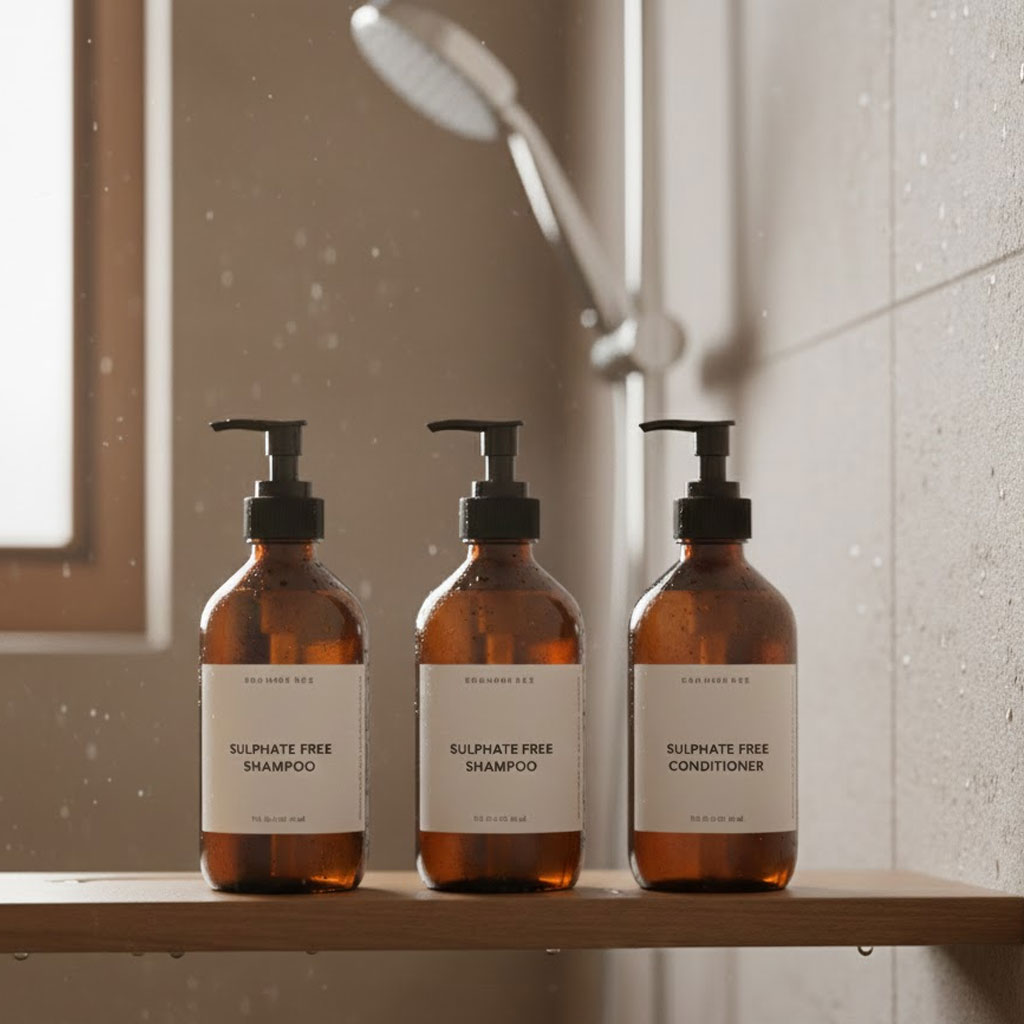
Switching to sulfate-free shampoos and conditioners can do wonders for your scalp as they are gentle and help reduce the risk of inflammation, dryness and breakage by balancing the scalp’s pH.
6. Gentle brushing
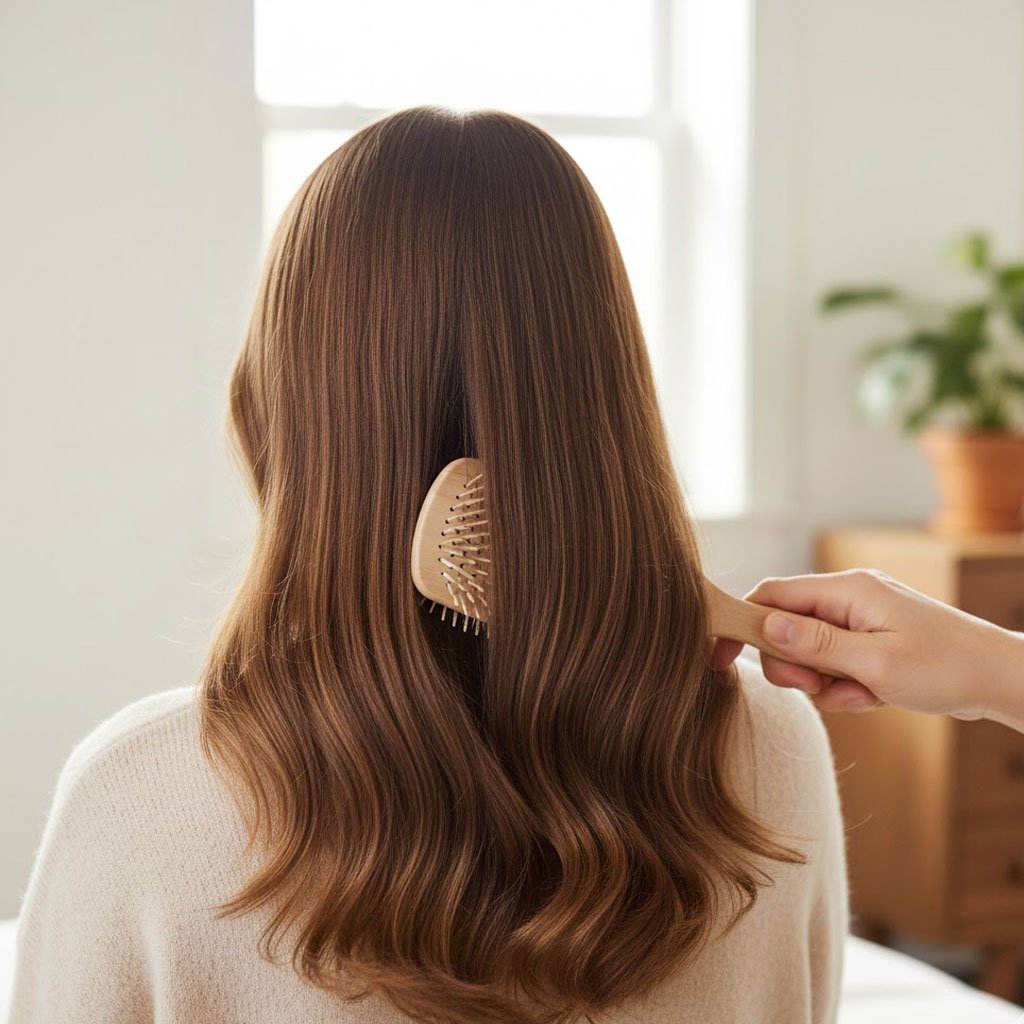
Easy brushing of the hair prevents breakage, especially when wet, as it becomes more fragile.
According to dermatologist Wilma Bergfeld, MD., “You should treat your hair like a cashmere sweater.
“The first rule of thumb is to limit how often you beat it up by scorching it with an iron, overheating it with a dryer, or using a harsh chemical on it. Remember, hair is a fiber,” she said.
7. Hydration

Adequate water intake in winter compensates for the effects of low humidity and extremely dry weather. The cold season naturally draws moisture from the scalp; However, a well-hydrated scalp, with its protective barrier, combats common problems caused by harsh weather conditions.
8. Balanced diet

The body prioritizes the major organs over the scalp, causing it to lose its nutrients. Consuming a diet rich in leafy greens, nuts, fish and fruits nourishes the scalp from within.
9. Use a humidifier

Keeping a humidifier within reach helps retain moisture in the air, reducing the chance of a dry, irritated, and flaky scalp. Optimal moisture soothes conditions such as psoriasis and eczema on the scalp, which worsen in winter, and increases hair elasticity.
10. Sun protection

The scalp is also susceptible to sunburn, just like the skin on the rest of your body, and direct exposure to ultraviolet rays and heat can lead to rough texture, redness, and flaky patches. Although hair provides protection, prolonged unprotected exposure to the sun dries out the scalp, weakening hair follicles and increasing the risk of skin cancer. Do not stay in the sun: use caps, scarves and sun protection products to avoid risks.