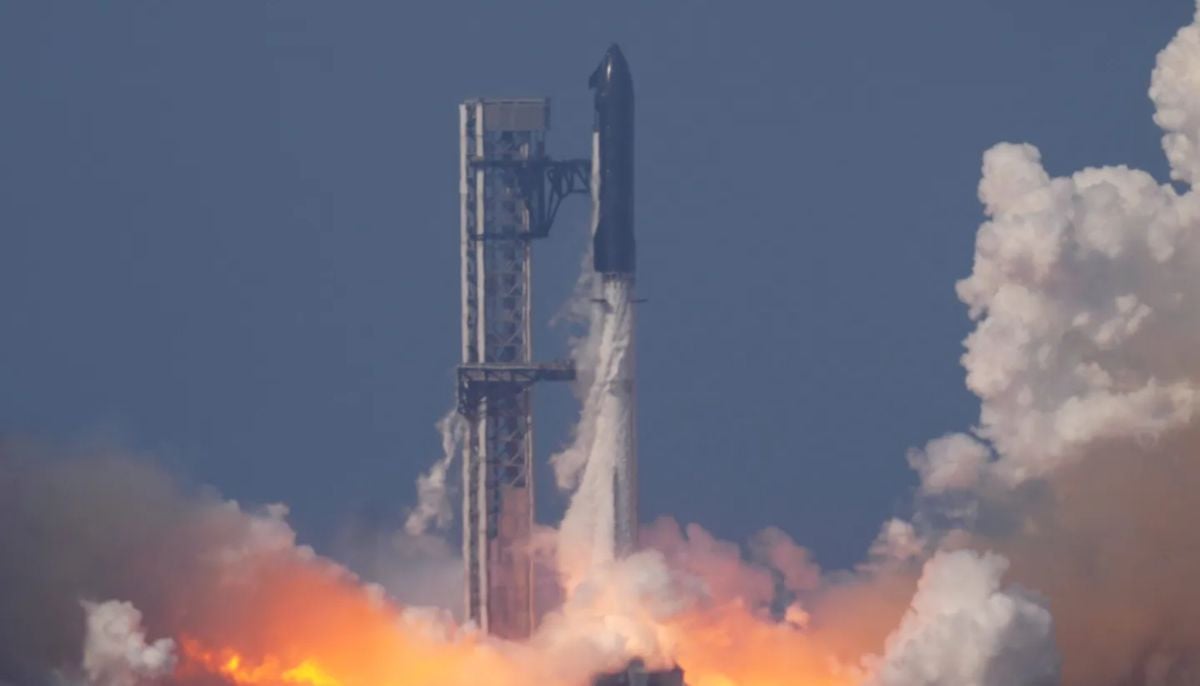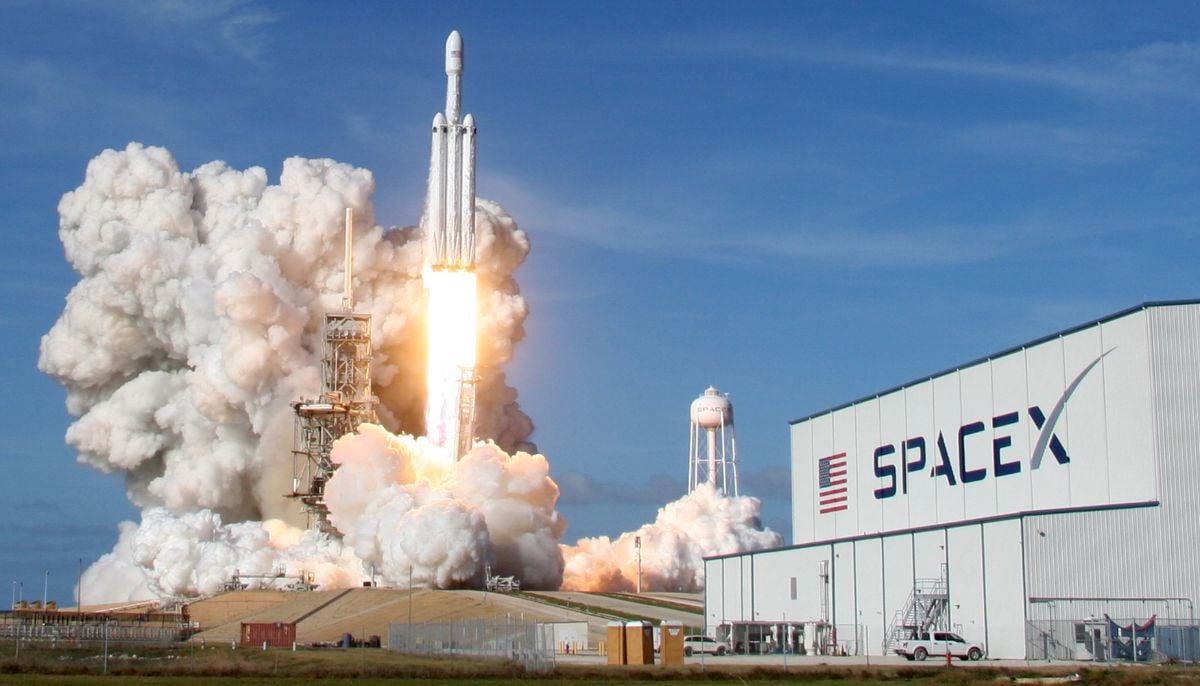
SpaceX continues to develop orbital data centers that will support its artificial intelligence expansion efforts, but experts believe these facilities will face the same obstacles that caused Microsoft to abandon its underwater research project.
The proposal, to be unveiled alongside a possible initial public offering, involves launching up to a million satellites to power AI systems in space, with the aim of overcoming Earth’s energy and water limitations.
Microsoft’s experiment provides an early warning
Microsoft tested a similar concept through Project Natick, which placed data centers on the seabed to reduce cooling costs and use renewable energy. The project achieved its technical objectives but had to be stopped because there was insufficient market interest and the project’s financial performance was unsatisfactory.
The Microsoft spokesperson explained that the project functions as a research platform that does not offer commercial applications, as it demonstrates that potential business activities are not yet profitable.
Experts believe that SpaceX’s orbital data centers will face greater challenges than their current problems. AvidThink chief analyst Roy Chua explained that three major challenges, including vacuum cooling systems, radiation exposure and expensive launch costs, would cause operational problems.
Unlike land-based data centers, underwater and space data centers are based on sealed, modular systems that cannot be repaired or upgraded. This is at odds with the pace of development of AI chip technology, which could become outdated within a few years.
Analysts at MoffettNathanson estimate it will cost trillions of dollars to deploy a million AI satellites. For this model to work, the costs of launching satellites must be significantly reduced. TMF Associates President Tim Farrar said the question is: Can it compete with ground-based systems at a lower cost?
While companies like Blue Origin are also exploring orbital computing, most experts believe the concept will remain niche. Analysys Mason, Claude Rousseau’s research director, said space data centers are more likely to support infrastructure in orbit than replace systems on Earth.
Even Nvidia CEO Jensen Huang has questioned the economics, saying that computing on Earth will remain more practical for a while.