A new drug being developed by scientists at Northwestern University could be an exciting way to slow or prevent Alzheimer’s disease before symptoms even appear.
The drug, called NU-9, was recently tested in a study in mice and showed strong effects against the earliest brain changes associated with Alzheimer’s disease.
These results offer new hope for treating the disease early, before memory loss and other problems begin.
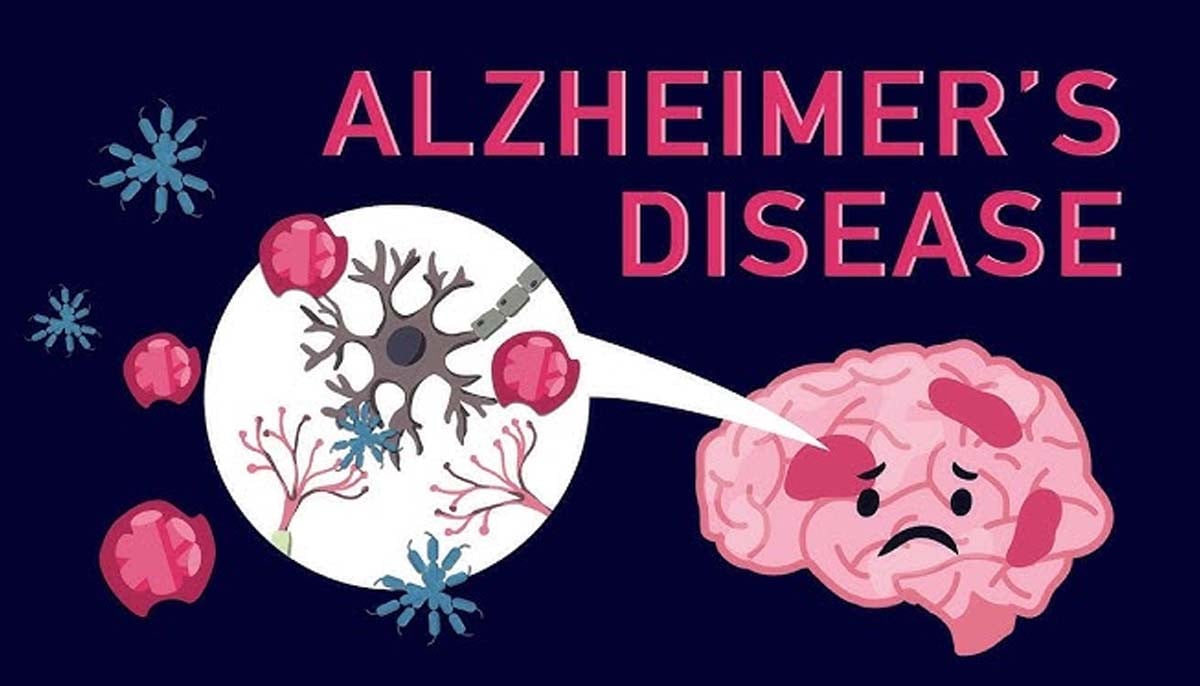
Alzheimer’s disease does not start suddenly. It develops gradually in the brain, often many years before people notice symptoms. At this early stage, harmful protein clusters known as amyloid beta oligomers begin to form.
These toxic protein groups can damage brain cells, cause inflammation and trigger immune responses. The recent study revealed a previously unknown subtype of these toxic proteins, which appears to be especially harmful in the early stages of the disease.
The researchers found that NU-9 can reduce this toxic protein subtype and prevent much of the damage it causes. When the drug was given to mice with early signs of Alzheimer’s disease, it reduced inflammation in the brain, reduced the number of toxic protein clusters and helped brain cells stay healthy.
NU-9 even reduced levels of another harmful protein called TDP-43, which is linked to memory and thinking problems in both Alzheimer’s and other brain diseases.
This research is a huge advance in science because it aims to stop Alzheimer’s from the very beginning – before symptoms begin and before major brain damage occurs.