Attention deficit hyperactivity disorder, or ADHD for short, is a long-term condition that involves a combination of several problems, such as having difficulty paying attention, being hyperactive or impulsive, or simply having difficulty completing daily tasks.
ADHD affects millions of children, often persisting into adulthood.
Some people use medications to regulate their brain functions and concentration levels and maintain balance, while researchers predict that the medications may not work the way we think they will actually affect the brain.
Brain scans show that ADHD stimulants do not directly improve attention, as once thought, but instead make the brain more alert and motivated, sometimes mimicking the effects of a good night’s sleep.
In the United States, an estimated 3.5 million children ages 3 to 17 take medications for ADHD, and that number has increased as diagnoses of the neurodevelopmental disorder become more common.
New research that began at Washington University School of Medicine in St. Louis led to a study led by Benjamin Kay, MD, PhD, an assistant professor of neurology, and Nico U. Dosenbach, MD, PhD, the David M. and Tracy S. Holtzman Professor of Neurology.
The study was published in the research journal on December 24, 2025 Cell, indicates that stimulants can improve performance by making people with ADHD feel more alert and interested in what they are doing.
Rather than directly sharpening focus, the drugs appear to increase task engagement.
The researchers also observed brain activity patterns that resembled the effects of a good night’s sleep, counteracting the typical brain changes associated with sleep deprivation.
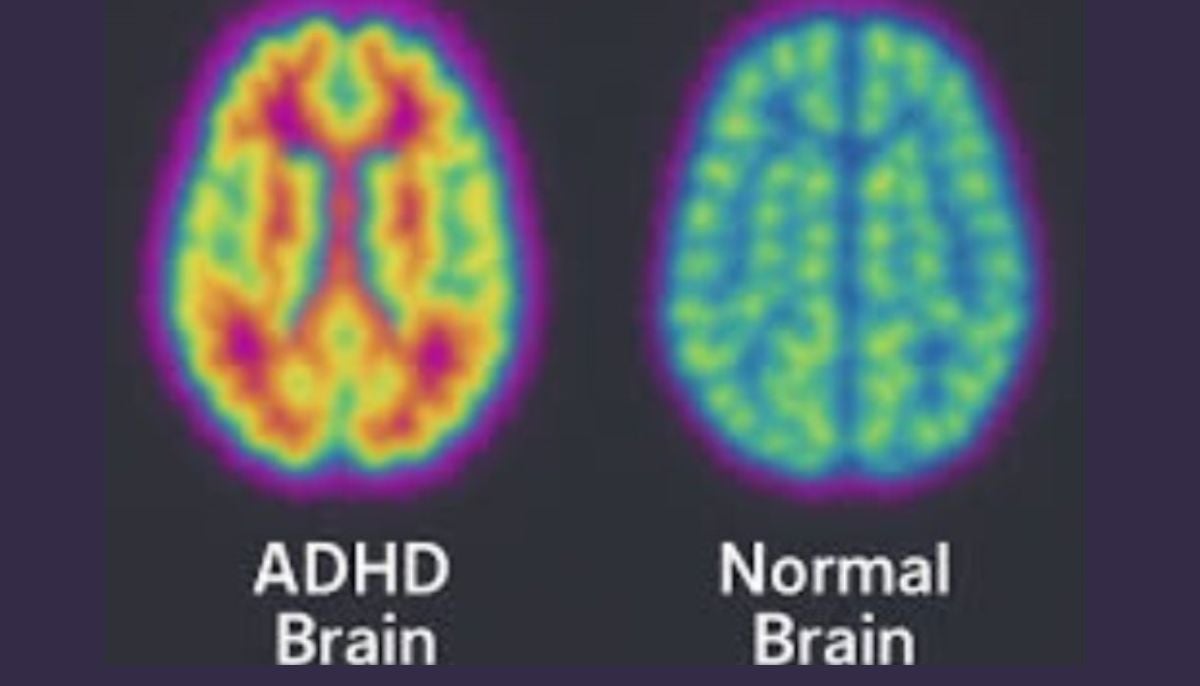
To investigate how stimulants affect the brain, the researchers analyzed resting-state functional MRI, or fMRI, data from 5,795 children ages 8 to 11 who participated in the Adolescent Brain Cognitive Development ABCD Study.
Resting-state fMRI measures brain activity when a person is not performing a specific task.
The ABCD study is a long-term, multi-site project monitoring the brain development of more than 11,000 children in the US, including a site at WashU Medicine.
The team compared brain connectivity in children who took prescription stimulants on the day of the scan with those who did not.
Children who had used stimulants showed stronger activity in brain areas linked to arousal and wakefulness, as well as in areas involved in predicting how rewarding an activity might be.
In contrast, the scans showed no notable increases in regions classically tied to attention.
Dosenbach and Kay said their findings highlight the need for further research into the long-term effects of stimulant use on the brain.