Why exocomet 3I/ATLAS is glowing green as it approaches Earth

Why exocomet 3I/ATLAS glows green as it approaches Earth The International Gemini Observatory has captured a bright glimpse of exocomet 3I/ATLAS, the third confirmed object ever observed by our solar system. The spectacular image was specifically captured when researchers used the Gemini Multi-object Spectrograph at Maunakea, Hawaii. 3I/ATLAS resurfaced in the sky near Zaniah, a…

Read More

Qatar unearths 21-million-year-old tiny sea cow fossils

Qatar has unearthed 21-million-year-old fossils of small manatees Scientists have discovered 21-million-year-old tiny fossils of manatees dating back to the early Miocene during a recent breakthrough in Qatar. The researchers, working with the Smithsonian’s National Museum of Natural History and Qatar Museums, attributed the fossils to a previously unknown species of ancient manatee called Salwasiren…

Read More

Sea urchin species deadly undersea outbreak could reshape marine ecosystems worldwide

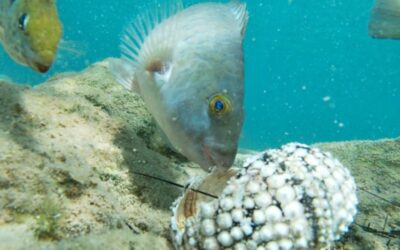
The deadly undersea sea urchin outbreak could reshape marine ecosystems worldwide A surprising study has found that an unrecognized marine pandemic is causing mass mortality by critically endangering some sea urchin species and causing some populations to disappear altogether. Diadema africanum Hedgehogs on the Canary Islands archipelago have been almost completely killed by an unknown…

Read More

Extreme heatwaves are slowing children’s early development: Here’s how

Extreme heat waves delay children’s early development: here’s how The researchers in a recent study have found a disturbing link between scorching heat waves and their harmful impact on child development. According to findings published in the Journal for child psychology and psychiatry, rising temperatures above 30°C are likely to hinder children’s learning and growth…

Read More

Hard coral decline hits 48%

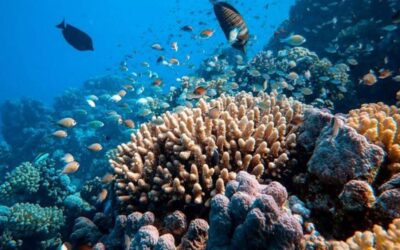
Caribbean Climate Crisis: Hard Coral Decline Affects 48% Caribbean reefs have suffered a massive loss of hard coral cover since 1980, a new study suggests. According to the Global Coral Reef Monitoring Network, climate crises such as destructive marine heat waves are responsible for the loss of nearly 48 percent of coral cover. These heat…

Read More